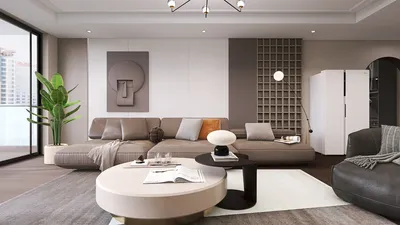


Choosing the perfect hall for a birthday celebration involves aligning the venue's ambiance with the spirit of your event. Initially, I evaluate how well the space allows for movement, comfort, and overall atmosphere, and then consider practical factors such as capacity, lighting quality, sound, and accessibility. Research indicates that the environment plays a vital role in influencing guest behavior and engagement; for example, insights from Steelcase reveal that the surroundings significantly affect participation and experiences – a concept that applies well to social events where venue layout and sensory comfort can enhance guest interactions and prolong their stay.
Quantitative data can greatly inform decision-making. The WELL v2 Sound framework suggests that average conversation levels typically sit around 60–65 dBA; when background noise exceeds 70 dBA, it becomes challenging to hear, leading to fatigue – an important consideration for lively gatherings filled with music, cheer, and laughter. I adhere to IES lighting guidelines: a range of 100–200 lux is ideal for ambient lighting that provides visibility without overwhelming the senses, while food stations benefit from 300–500 lux to ensure safety and highlight buffet offerings. These standards prevent the birthday hall from feeling too dim or excessively bright.
Aligning Capacity with Movement, Not Just Attendance
I allocate 10–12 square feet per guest for a cocktail-style gathering and 12–15 square feet for seated meals. Beyond just headcount, I ensure circulation paths are 4–6 feet wide leading to key areas like food, bar, and restrooms. If you're planning a cake unveiling or performance, create a clear line of sight and a staging area that measures at least 80–100 square feet, allowing everyone to see without crowding. For flexible layout management and sightline assessments, utilizing a space planning tool like Homestyler can help visualize the traffic and furniture arrangement prior to finalizing the booking.
Illuminating What Matters: Faces and Food
The color temperature of lighting sets the emotional landscape for the party. Warm-white (2700–3000K) lighting complements skin tones and is perfect for birthday photography; a neutral-white (3500–4000K) can enhance visual clarity during interactive activities. I steer clear of high CCT lighting (5000K+) unless it's a bright afternoon event. Employing layered lighting strategies is essential: using ambient pendants or dimmable downlights for general illumination, spotlights for highlighting the cake and gift areas, and decorative fixtures to add charm. Keeping vertical light on faces at around 150–200 lux ensures that photos maintain their vibrancy without becoming too dark. To minimize glare, opting for matte finishes and strategically placing fixtures away from reflective surfaces is advisable. Following IES standards for light levels and dimming capabilities helps maintain a pleasant ambiance throughout the party.
Managing Acoustics: Maintaining Energy Without Excess Noise
Hard surfaces can intensify sounds. Therefore, I incorporate soft elements, such as rugs in high-traffic areas, draperies on walls, fabric backdrops, and upholstered seating. It’s recommended to cover at least 25–35% of wall space with sound-absorbing materials in lively venues. In larger spaces, using multiple smaller speakers for sound distribution proves more effective than relying on one loud unit. Ensure the DJ or band is placed away from primary reflection points, and avoid positioning speakers against long parallel walls. During mingling, aim for background music levels under 70 dBA; you can increase the volume during specific moments like cake cutting or dancing while still allowing for conversation.
Ensuring Comfort and Ergonomics for Everyone
Since birthday parties attract guests of all ages, I ensure that seating heights, table accessibility, and arrangements cater to children, grandparents, and everyone in between. For dining arrangements, a table height of 28–30 inches paired with a seat height of 18–20 inches is comfortable; I recommend allotting 24 inches per guest at the table. For craft or game activities, a clear workspace depth of 30–36 inches per participant is crucial. The bar should be at a height of 42 inches, with a lower section accessible at 34 inches for those with disabilities. Additionally, it’s vital that restrooms are ADA compliant, with a clear path from the entry to seating. I suggest placing a coat drop-off area within 10–15 feet of the entrance to avoid guests carrying outer layers into the main party space.
Strategic Layout: Creating Zones that Enhance the Party Experience
A well-designed birthday venue supports the narrative of the event. I partition the room into four main zones: Welcome, Mingle, Showcase, and Service. The Welcome area should include signage, a guest book, and a dedicated moment for initial photos. The Mingle zone features flexible seating arrangements—clusters of 4–6 chairs around small tables promote conversation while preventing isolation. The Showcase area frames the cake, gifts, and presentations; equip it with a backdrop and lighting that flatters for photos. The Service zone focuses on food and drinks, ensuring smooth guest flow with clear queuing processes set at right angles to circulation paths so that lines do not obstruct movement. Using a spatial design tool like Homestyler assists in testing zone dimensions and traffic flow before securing a venue.
Understanding Color Psychology: Aligning Mood, Brand, and Age
Color plays a crucial role in setting the emotional tone of a birthday party. For children's celebrations, vibrant primary colors can liven up activity areas, while pastel accents can prevent chaos. For milestone events, sophisticated color schemes—such as deep greens, warm earth tones, and soft metallics—meld festivity with sophistication. Research on color psychology indicates that warm shades promote friendliness, while cooler hues foster calmness; selecting one predominant mood and reflecting it throughout the decor ensures the space presents a cohesive look in photographs.
Positioning Food, Cake, and Capturing Key Photographic Moments
The cake should be placed where it can be easily seen, rather than at the edges of the venue. Ideally, the cake table should be positioned opposite the main entrance or within a dedicated nook that features a plain backdrop. A clearance of 3–4 feet behind the cake is necessary for the guest of honor and helpers. For buffet setups, maintaining a queue width of 36 inches and a passing lane of 48 inches behind it helps avoid congestion. Incorporate task lighting (350–500 lux) over slicing or serving stations to ensure food safety and visual appeal. For better photographs, avoid direct overhead lighting; instead, opt for side-mounted sconces or reflected light from walls to create flattering shadows.
Choosing Appropriate Materials for Easy Cleanup
Look for durable, easy-to-clean materials such as commercial-grade flooring or sealed concrete that can withstand spills, along with performance fabrics for seating that resist stains. High-gloss surfaces near food and drink stations should be avoided as they can easily show marks and can create harsh lighting reflections. If your event includes balloons or streamers, it's wise to check the venue's policies regarding cleanup times to ensure that the party wraps up smoothly. Opting for sustainable options, like reusable decor, LED lighting, and rented tableware, can also help reduce waste while often providing a more polished look than single-use items.
Focus on Access, Safety, and Logistical Considerations
It’s crucial to confirm accessible entry points, ramps, and elevators for any upstairs areas. Request a fire safety plan and ensure that occupancy limits are clearly posted. Check parking availability and designated drop-off spots, particularly for elderly guests or those with children in strollers. If there will be performers or vendors, designate a corridor measuring 6–8 feet from the loading dock to the presentation area to minimize interference with guests. Make arrangements early for any electrical needs like music, photo booths, or warming devices, as each will require 5–20 amps. Ensure any extension cords are secured along baseboards to prevent trip hazards in high-traffic areas.
Evaluating Your Budget and Overall Value
The best value for a venue comes from one that reduces the burden of additional services. Prioritize locations that provide dimmable lighting, adaptable furniture options, and on-site coordination. Clear policies regarding overtime and cleanup can alleviate concerns. If the space is attractive on its own and requires minimal decoration due to strong architectural elements or abundant natural light, you'll save on extra costs. Obtaining a floor plan and testing various layout alternatives can help ensure that expenses align with the desired flow and guest capacity.
For further insights regarding environment and experience in shared spaces, delve into research from Steelcase. For ideal lighting levels and ambiance creation, consider consulting IES standards.
Frequently Asked Questions
Q1: What is the ideal space allocation per guest?
A: For cocktail-style events, aim for 10–12 sq ft per guest; for seated meals, consider 12–15 sq ft. Additional space should be allocated for stages, dance floors, and photo areas.
Q2: How can I determine the optimal lighting levels for a birthday venue?
A: Maintain ambient lighting at around 100–200 lux for a warm, inviting atmosphere. Increase task lighting to 300–500 lux in food and cake service areas. Use a color temperature of 2700–3000K for an appealing effect on skin tones.
Q3: How can I manage noise levels without affecting the energy of the event?
A: Incorporate soft materials—like rugs, draperies, and upholstered furniture—and use multiple smaller speakers for balanced sound. Keep general volume levels under ~70 dBA during conversational periods.
Q4: What is an effective seating arrangement for guests of various ages?
A: Cluster seating in groups of 4–6 around small tables, provide a mix of higher stools and standard seating, and maintain a quiet area for seniors and young children. Ensure aisles are 4-6 feet wide.
Q5: Where should I place the cake table?
A: Situate it against a natural focal wall that offers visible sight lines from most seats, ensuring a 3-4 feet clear working area behind it, with soft lighting for flattering photographs.
Q6: How can I choose color themes that are appropriate for the occasion?
A: Utilize rich, warm tones for animated children's parties and deeper, muted colors for significant adult celebrations. Consistently apply one dominant mood throughout the decor and lighting.
Q7: What venue features can help save on costs?
A: Venues with dimmable lighting, flexible furnishings, on-site management, and appealing structural design decrease decoration and vendor expenses. Inquire about included amenities like linens, audio-visual equipment, and cleanup services.
Q8: What accessibility and safety features are necessary to check?
A: Ensure accessible entrances, stairways, and adequate lighting, as well as verified emergency exits and clearly posted occupancy limits. Check for safe management of extension cords and illuminated paths to facilities.
Q9: How can I evaluate the layout of a venue before making a booking?
A: Request a scaled floor plan to assess circulation and areas using a space planning tool like Homestyler, ensuring proper flow, visibility, and furniture arrangements.
Q10: Which materials are easiest to clean up after a party?
A: Opt for sealed concrete or commercial vinyl flooring, performance fabrics with stain resistance, and matte surfaces near food services to facilitate quick and discreet maintenance.

Minimalist Concrete Potted Dried Foliage Plant 3D Model
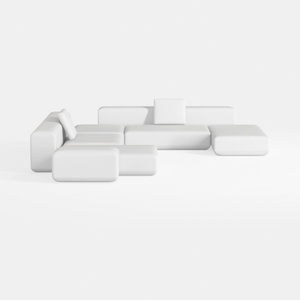

Minimalist Modern White Fabric Modular Sectional Sofa 3D Model
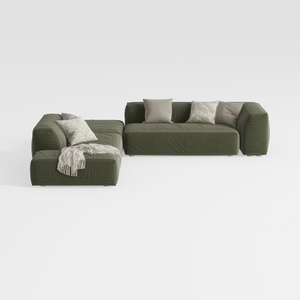
Minimalist Modern Fabric L Shaped Sectional Sofa with Throw Pillows 3D Model
Homestyler is the ultimate online home design platform for anyone looking to transform their space. Its user-friendly design tool, stunning 3D renderings, diverse design projects, and engaging video tutorials make it easy to turn your ideas into reality. Start your design journey today!
Concevez maintenant gratuitement
































