


Selecting the right stool for your pooja room goes beyond mere decoration; it plays a crucial role in enhancing your posture during prayer, honoring ergonomic principles, and ensuring a tranquil environment. When choosing materials, I prioritize options that develop a rich patina with age, heights that support proper prayer alignment, and finishes that prevent incense build-up and allow for easy cleaning. Incorporating tools like Homestyler can help visualize these choices more effectively.
The significance of comfort and proper posture cannot be overstated. Maintaining a neutral spine while seated helps alleviate strain during prolonged pujas. Research from Steelcase indicates that altering your posture can lead to increased comfort and focus in seated activities; while their findings originate from office environments, the same concepts certainly apply to devotional seating. Additionally, proper lighting is essential: IES suggests minimizing glare and contrasting brightness to maintain visual ease, which is vital when reading mantras or inspecting small icons without causing eye fatigue. A matte finish on the stool prevents distracting reflections, especially under overhead lamps and diyas, thereby enhancing the overall ambiance with effective lighting control while utilizing tools like Homestyler for planning.
In a sacred space, material selection bears both symbolic and practical weight. Durable options such as solid teak, sheesham, or oak provide a warm visual appeal; for those interested in sturdiness paired with a lighter appearance, powder-coated metal frames with wood seating serve well. For a minimalist design, consider stools made of dense ash or beech with a hand-finished oil coating that avoids artificial gloss. If you frequently burn incense, it's best to select dense, closed-grain wood treated with natural oils or hardwax finishes to resist soot and enable easy cleansing. Steer clear of porous fabrics, as ritual ash (vibhuti) and kumkum can stain woven surfaces. In evolving room layouts that add elements like lamp stands or storage boxes, utilizing a room layout tool like Homestyler can aid in visualizing stool arrangements without overcrowding.
Essential Considerations on Dimensions and Ergonomics
The height of your stool significantly influences comfort during pranayama and mantra recitation. For seating close to the floor, a low stool measuring 10–14 inches promotes an engaged posture while easing knee pressure compared to sitting directly on the ground. If your altar is raised, opt for a stool height of 17–19 inches, allowing eye level alignment with icons for a comfortable viewing experience. Ensure at least 18–24 inches of clearance in front of the stool to facilitate kneeling or prostration without needing to shift furniture. Research from Herman Miller emphasizes the importance of pelvis alignment for seated comfort; thus, stools with a gently contoured seat or a waterfall edge are preferable to prevent leg compression and improve circulation during extended sessions.
Safety, Stability, and Ritual Movement
In the pooja room, stability is essential. While three-legged stools might look appealing, they can wobble on uneven surfaces; consider using a four-legged stool or a broader plinth-style design for enhanced safety, particularly around lit lamps. Incorporating non-slip feet safeguards your flooring while offering support as you rise post-ritual. Position the stool outside the primary ritual triangle (altar–lamp–storage) to keep a clear pathway for offerings. Maintain a distance of at least 12 inches from open flames to prevent fire hazards, and select stools with heat-resistant finishes to avoid discoloration near diyas.
Law of Sound and Comfort
Hard surfaces can amplify sound, disrupting concentration. A stool made with sturdy joinery (such as wedged tenons, dowels, or mortise-and-tenon) will produce less noise than folding metal versions. If your pooja room has a compact and echo-prone design, placing a wool mat beneath the stool can enhance acoustic absorption, softening the reverberations of chants without cluttering the visual atmosphere.
Color Choices and Finishes
The color palette should foster a serene focus. Warm, medium wood tones give a sense of grounding, while soft neutral shades allow icons and flowers to stand out. According to insights from Verywell Mind, shades of blue and green evoke feelings of peace and equilibrium; therefore, if you decide on a painted finish, consider muted tones like desaturated sage, soft indigo, or off-white instead of vibrant glosses. Aim for matte or eggshell finishes to minimize distracting reflections from polished surfaces or brass lamps.
Sustainable Practices and Maintenance
Opt for responsibly sourced hardwoods or FSC-certified veneers; steer clear of low-quality boards that deteriorate over time. Natural oils are easily restored through mild sanding and reapplication for a refreshed finish after busy festival seasons. If you prefer metal, select powder-coated materials with low-VOC certifications. Ensuring proper ventilation in the room after using incense will help in maintaining cleanliness for finishes and icons.
Guidelines for Layout and Placement
Position your stool so that your line of sight aligns softly with the deity, avoiding the need for neck strain. Ensure at least 24–30 inches of clearance on the sides for movement and offering placements. If your altar includes drawers or a lamp insert, make certain they open without obstruction. To explore various configurations—height adjustments, distance offsets, and pathways—you can experiment using an interior layout planner like Homestyler.
Recommended Stool Types for Pooja Rooms
Look for a low stool measuring between 12–14 inches for rituals focused on ground connection, featuring a slightly concave top and rounded edges. A stable rectangular seat can serve dual purposes: providing seating while also functioning as storage for incense, matches, and prayer texts, with soft-close hardware to minimize noise. A stool height of 16–18 inches is advisable for retrieving items from elevated altars.
Consider a compact stool at heights of 18–19 inches to facilitate easy transitions during aarti and prostration, promoting upright seating and movement.
For temporary configurations during special events like Navratri, an unobtrusive, foldable stool with locking hinges and non-slip feet would be ideal.
Reliable Materials
When it comes to durability, materials such as teak, ash, and oak are my go-to choices; rattan can be acceptable if properly sealed and kept away from ash. For metal frames, I suggest matte powder-coated steel combined with solid wood seating. If using cushions, they should be removable and tight-woven to simplify cleaning processes.
Incorporating Lighting
Balancing luminance between your altar and ambient settings is essential to avoid visual discomfort. A dimmable warm light (between 2700–3000K) positioned near the deity, alongside softer ambient light around 200–300 lux, will maintain clear visibility while mitigating glare. Following IES guidelines, reduce the exposure to intense lighting sources, and choose matte finishes for the stool to limit secondary reflections.
Routine Maintenance Guide
Regularly clean surfaces with a soft cloth to prevent build-up; avoid silicone sprays that can create undesirable gloss. Examine joints for stability every quarter. After major rituals, remove wax residue or soot using a citrus-based cleaner that is safe for wooden oils.
Frequently Asked Questions
For ground-centric rituals, a stool height of 10–14 inches will keep you comfortable with minimal knee strain. Conversely, for raised altars, a height range of 17–19 inches enables proper viewing.
Opting for backless designs supports neutral posture and facilitates easy motion during rituals. For those needing back support, a subtly designed low-profile back that remains understated is preferable, so it does not overshadow the altar.
Choosing closed-grain hardwood with a hardwax oil or natural oil finish makes maintenance easy while resisting soot stains. It’s advisable to avoid open-weave fabrics that can trap ash.
Matte finishes are essential; keep stools out of direct lamp light and adhere to IES recommendations to mitigate high-contrast brightness near sightlines.
Indeed, plinth benches with hidden storage capabilities can organize your prayer paraphernalia. Just ensure that they feature soft-close mechanisms to keep noise levels low during rituals.
It's crucial to keep a minimum distance of 12 inches between the stool and any diyas or oil lamps to ensure safety. Also, select non-slip feet to prevent falls or shifts inadvertently.
Opting for muted neutral shades or desaturated blue and green colors promotes tranquility and balance, aligning with widely acknowledged insights about color psychology.
Maintain a clear circulation space of 24–30 inches and test the stool's placement using a room layout tool like Homestyler to ensure all drawers and lamp niches remain functional and unobstructed.
Natural oil or hardwax finishes are repairable; a simple touch-up with light sanding and re-oiling can rejuvenate the appearance without complete stripping.
Absolutely. Insights drawn from workplace studies, specifically regarding how posture variation enhances comfort, are applicable to extended devotional sitting.
Built on technology originally developed at Autodesk, Homestyler empowers anyone to design beautiful, realistic spaces in minutes. Join over 20+ million registered users (platform data, 2026) who have already discovered a smarter way to plan, visualize, and bring their dream homes to life — all from the comfort of a browser.

Minimalist Solid Oak Wood Dining Bench 3D Model

Minimalist Solid Wood Velvet Upholstered Armchair 3D Model
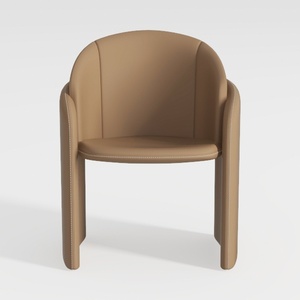

Minimalist Tan Leather Upholstered Armchair 3D Model
Homestyler is the ideal online platform for anyone looking to design their space effortlessly. With its user-friendly design tool, stunning 3D renderings, and a wealth of DIY video tutorials, you can unleash your creativity and transform your home into a masterpiece—no experience needed!
Design Now for FREE





















![[For dear Adelina madee 🤎]](https://hs-designs.homestyler.com/production/design/images/8a07e535-9cbc-4132-a42a-5932dac3a112/1706972286037.jpg?x-oss-process=image/resize,w_502,m_mfit/format,webp)