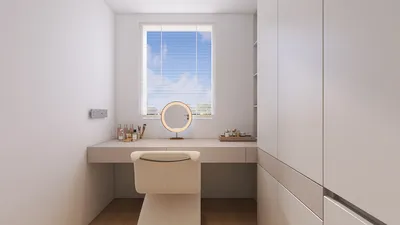


In many design scenarios where space is constrained and flow is essential, I've found small round solid wood coffee tables to be invaluable. Their rounded shape enhances movement within the room, minimizes visual clutter, and complements various seating options like sofas, lounge chairs, and sectionals beautifully. The choice of solid wood not only provides a warm tactile experience but also exhibits durability over time, gracefully aging while resisting wear and tear when treated properly.
The importance of scale cannot be overstated. For living areas, a comfortable distance from the sofa to the table rim should be about 16–18 inches. This guideline is frequently cited in residential design and aligns with workplace ergonomics, where research from Herman Miller suggests optimal reach ranges from 20–25 inches when seated. Effective lighting is crucial as well; the IES recommends that living spaces maintain around 150–300 lux to ensure visibility while enhancing comfort. The WELL v2 standard underscores the importance of reducing sharp edges and promoting clear pathways, aspects that small round tables naturally facilitate. For lasting materials, opting for solid hardwoods with Janka hardness ratings above 1,000 lbf, such as white oak or hard maple, can help resist dents and maintain cleanliness over time.
The influence of color and finish on mood is often underestimated. Neutral, matte finishes minimize glare and conceal fingerprints, while medium-tone woods are easier on the eyes compared to ultra-dark, glossy options. Research on color psychology by Verywell Mind indicates that warm hues can enhance feelings of coziness; when combined with wood's natural grain, they create inviting seating areas without overwhelming smaller spaces. When storage is tight, a slender pedestal or three-leg base design maintains legroom, preventing a bulky appearance. For those considering a compact seating arrangement, utilizing a layout tool like Homestyler can help confirm clearances prior to making a purchase.
Proportions are essential for effective design.
If your room is on the smaller side, aim for a round coffee table with a diameter of 24–30 inches for most sofas; for compact sectionals featuring broader seats, consider a range of 30–36 inches. Ensure the table's height is closely aligned with the sofa seat height—generally between 16–18 inches—so that snacks, books, or laptops can be comfortably accessed without strain. It's also critical to maintain at least 30–36 inches of space behind seating to keep pathways clear for family and guests. Personally, I prefer round tabletops with beveled or bullnose edges as they lessen contact points in narrow corners and enhance the table's overall lightness.
Materials that endure through time are crucial.
When discussing solid wood, it’s important to recognize that it encompasses various species. White oak is known for its high dimensional stability and a Janka hardness rating around 1,360 lbf, while walnut provides a rich coloration with moderate durability (approximately 1,010 lbf) and exceptional workability. Maple, on the other hand, is lighter and denser (roughly 1,450 lbf) and can hold finishes well. If sustainability is a priority, seek out FSC-certified sources or reclaimed hardwood. Low-VOC finishes can also enhance indoor air quality over time. A matte or satin polyurethane or hardwax oil finish ensures easy maintenance without the shiny plastic appearance. In areas with high humidity, quarter-sawn cuts help to reduce cupping, while avoiding excessively thin tops in rooms with radiant heating will help prevent warping.
Consider leg geometry and stability for best performance.
Three-leg bases perform well on uneven surfaces as they naturally adapt to the ground level. A central pedestal design conserves knee space, making it easier to reach around for side seating. If your table will often serve as a workspace for laptops or board games, opt for a wider foot spread and a low center of gravity; heavier solid wood tops typically confer improved stability. To reduce noise and vibrations on hardwood floors, felt pads are a smart addition, while discreet levelers can enhance stability in older homes with sloped floors.
Functionality can be tailored, whether through additional features or minimalist designs.
Reflect on your daily activities. If entertaining is common for you, a larger table with a raised edge or detachable tray can help minimize spill risks. For those with limited storage, a lower shelf can accommodate books, remotes, and light throws without crowding the surface. For minimalists, a seamless flat surface can draw attention to the wood grain and facilitate quick clean-ups after gatherings. When planning seating around a small table, utilizing a room layout tool like Homestyler aids in defining reach areas and traffic paths to avoid awkward collisions and overcrowding.
Light and glare management are essential for comfort.
The right lighting can elevate or compromise a small centerpiece. Pair your table with a floor lamp that provides warm, indirect light (2700–3000K) to highlight wood tones and decrease glare. Task lighting near reading chairs needs to adhere to IES recommendations for effective illumination while also keeping the balance of ambient light; minimizing reflective surfaces can prevent harsh glare on glossy tabletops. In rooms with windows, a medium-tone wood helps soften bright midday light while avoiding strong contrasts compared to other finishes.
Understanding color psychology in confined areas can transform your space.
Round solid wood tables naturally project a softer aesthetic. Warm oak or walnut enhances the inviting feel essential for fostering social interactions, whereas cooler pale maple can brighten darker palettes. Insights from Verywell Mind show that warm tones can enhance feelings of coziness—an effective strategy for easing stark, all-white interiors. If your rug features a striking graphic design, a muted wood tone can serve as a stabilizing element within the room. In studio apartments, synchronizing the table's color with door frames or shelving can foster continuity and reduce visual disarray.
Acoustics and tactile experiences are important to consider.
Wood surfaces diffuse sound better than glass, contributing to quieter environments for conversation. Complement this with a dense rug to muffle footsteps and integrate soft accessories like felt coasters or textured trays to soften sounds on the tabletop. Rounded edges can lessen the impact of dropped objects, ensuring acoustics remain pleasant in compact spaces that may otherwise amplify noise.
Establishing spatial rhythm and balance is vital in design.
In rooms predominantly characterized by straight lines, the introduction of a circular table enhances visual rhythm. A single round coffee table can serve as a focal point; subtle echoes of this shape through round planters or circular mirrors can help connect visual lines. Maintaining a 2:3 ratio between the table diameter and sofa width is key for creating balance in small living areas. If your seating arrangement is asymmetrical, slight placement adjustments for the table can help equalize reach distances; tools like Homestyler make testing out these placements straightforward.
Proper care and maintenance extend the life of your furniture.
Promptly address spills, especially from acidic substances like citrus, to prevent damaging finishes. Employ breathable coasters to deter moisture rings. Reapply oil to hardwax finishes as necessary; for polyurethane finishes, a gentle wipe with a damp microfiber cloth followed by thorough drying can maintain consistency in sheen. To prevent uneven patina, avoid direct sunlight for prolonged periods, and rotate decorative items monthly to prevent marks from ghosting.
Selecting the appropriate table for your space requires careful consideration.
Begin by determining the optimum diameter and height for your seating arrangement. Verify clearances—aim for 16–18 inches from the edge of the seat to the table's rim and 30–36 inches in primary walkways—and evaluate the leg model for comfort. Choose a wood type that aligns with your aesthetic and durability needs. For those renting or frequently adjusting layouts, lightweight tops paired with sturdy bases provide flexibility. Should you be refining a small living area or studio, an interior layout planner can help visualize reach zones and traffic routes before you finalize arrangements.
I consistently refer to WELL v2 guidelines regarding circulation and health-conscious design, along with IES standards for residential lighting levels, to ensure safety and comfort within multipurpose living areas. These frameworks allow small tables to fulfill both functional and aesthetic roles effectively.
Frequently Asked Questions
Q1: What size diameter is most suitable for a small living room?
A: A table diameter of 24–30 inches typically accommodates compact seating arrangements while maintaining a reach of 16–18 inches from the sofa. For sectional sofas, consider a range of 30–36 inches to adequately serve corner seats.
Q2: How should the table height compare to the sofa?
A: The tabletop should be roughly ±1 inch from the seat height of the sofa, generally falling between 16–18 inches. This positioning ensures comfort for users reaching for snacks, books, or laptops.
Q3: Which wood types effectively balance durability with warmth?
A: White oak (approximately 1,360 lbf) and hard maple (around 1,450 lbf) are excellent choices for resisting dents and wear; walnut (approximately 1,010 lbf) provides a vibrant tone with moderate hardness. Your choice should reflect your color palette and anticipated use.
Q4: Are round tables advantageous for tight spaces?
A: Absolutely. Round edges diminish the risk of bumps, and the circular shape maintains pathway width, which aligns with WELL v2's focus on safe movement patterns.
Q5: How can glare on a wood tabletop be minimized?
A: Opt for matte or satin finishes, pair with warm lighting within the 2700–3000K range, and avoid using high-gloss coatings near bright windows to help maintain visual comfort according to IES standards.
Q6: What base styles offer the best stability on uneven floors?
A: Three-leg designs are ideal for maintaining contact on uneven surfaces, whereas pedestal bases provide more knee space. Incorporating felt pads or levelers can help fine-tune stability in these situations.
Q7: Can a small round coffee table also serve as storage?
A: Yes! Consider designs with low shelves for storing books and remotes, or utilize removable trays to enhance functionality without increasing the footprint of the table.
Q8: How can I ensure the table matches my current decor?
A: Match the wood tones (warm or cool) to accompanying flooring and trim. In neutral environments, medium-tone woods reduce stark contrasts and can anchor the seating arrangement effectively.
Q9: What clearances should I maintain around seating?
A: Maintain at least 16–18 inches from the seating edge to the table's rim for easy access, and allow for 30–36 inches in main traffic lanes to prevent congestion.
Q10: Does wood offer acoustic benefits compared to glass?
A: Yes, wood's texture absorbs sound slightly better, contributing to quieter spaces. Pair it with a thick rug to significantly improve acoustic comfort in smaller rooms.
Q11: How can I protect the finish of my wood furniture on a daily basis?
A: Utilize breathable coasters, promptly clean spills, and rotate decorations regularly to avoid marks. Re-oil hardwax finishes as needed and maintain a gentle cleaning approach for polyurethane with soft microfiber cloths.
Q12: What should I do if my room’s arrangement changes often?
A: Opt for lightweight solid wood tabletops supported by sturdy bases for easy repositioning, and utilize Homestyler or similar room design tools to visualize new layouts before relocating furniture.
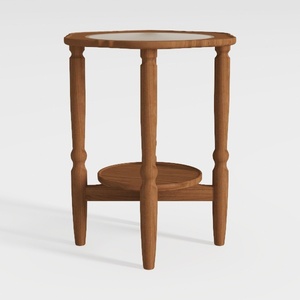

HOOBRO Small Round Side Table with Charging
Fluted Sideboard Buffet Cabinet with Storage,

Modern Pink Fabric Gold Legged 2 Seat Sofa 3D Model
Transform your home with Homestyler! This innovative online design platform offers a user-friendly design tool, stunning 3D renderings, and a wealth of inspiring design projects. Plus, you'll find DIY video tutorials to guide you every step of the way. Unleash your creativity today!
Progetta ora GRATIS
































