


Room spray bottles serve as essential elements in maintaining a tidy home—subtle, dependable, and surprisingly intricate. Selecting the right bottle involves more than choosing an attractive design; factors such as nozzle shape, compatibility of materials, and mist distribution significantly influence how well a fragrance spreads and how long it remains noticeable. In my design projects, I consider scent akin to ambient lighting—harmonized, layered, and adaptable—to create an environment that enhances comfort without overwhelming residents. Incorporating tools like Homestyler can make this visualization process smoother.
Effective design prioritizes measurable comfort. The WELL Building Standard underscores the importance of air quality and pollution management for occupant well-being, which is particularly relevant when dispersing volatile compounds from fragrance oils. Utilizing insights from WELL v2 guidance on VOC management facilitates a spray routine that maintains good indoor air quality (see WELL v2 Air concept at wellcertified.com). Additionally, behavioral studies indicate that scent is closely tied to both memory and mood; the color psychology research from verywellmind.com highlights how sensory cues can influence emotional reactions—using light, fresh scents to enhance focus and warmer notes to foster relaxation.
In real-world scenarios, spatial behavior is crucial: areas like living rooms and kitchens are where people spend the most time, necessitating a gentler and more consistent scent presence; circulation spaces such as hallways can manage brighter initial impressions. My residential projects involve timing spray intervals according to human activities—brief bursts every 30–60 minutes in frequently used spaces and a single refresh before guests arrive in entryways—always considering ventilation rates and individual sensitivities.
Selecting the Right Bottle: Size, Material, and Nozzle
Material choice is key for safety and durability. Glass is ideal for pure essential oils and alcohol-based fragrances, as it resists corrosion from solvents and does not leach. High-quality PET or HDPE is suitable for water-based mixtures; avoid lower-grade plastics when using oils such as citrus, mint, or clove, which can deteriorate those materials. For most households, bottles of 200–300 ml balance ease of transport with refill frequency, while 500 ml bottles are more appropriate for larger rooms or outdoor areas.
Nozzle types are generally threefold: fine-mist atomizers (perfect for light, even coverage); stream/spray adjustables (great for textiles or targeted applications); and continuous-spray heads that provide a salon-style, uniform cloud—my personal favorite for quick room-wide refreshment. It's important to choose clog-resistant dip tubes, opt for a 0.25–0.35 mm orifice for gentle atomization, and ensure a lockable cap for added child safety.
Formulations: Essential Oils vs. Fragrance Oils
Essential oils are natural yet potent, whereas fragrance oils offer consistency and a wide array of scents. For a homemade base that is safe, I recommend using 60–70% distilled water, 25–30% ethanol (to aid solubility and facilitate faster evaporation), and 1–3% total fragrance concentration. To prevent separation with essential oils, incorporate 0.5–1% polysorbate 20 or a similar solubilizer. Always conduct patch tests on fabrics to prevent staining as certain scents like vanilla, vetiver, or resins can leave marks on lighter textiles.
Be aware of allergens and sensitivities. Start with a fragrance level of 0.5–1% in bedrooms or home offices and gradually increase only if no adverse reactions occur. Fresh citrus top notes can elevate mood and enhance perceived brightness; lavender and chamomile are great for evening relaxation. I prefer treating heavier scents and smoky notes as occasional highlights rather than daily applications.
Scent Zoning: Align Fragrance with Room Purpose
Adopt a zoning approach for fragrance. Welcoming entries respond best to sharp, fresh scents—think bergamot, grapefruit, or eucalyptus. Living spaces thrive on layered complexity: a soft woody base (like cedar or sandalwood) under a clean floral top (such as neroli or peony) provides an inviting atmosphere without being overpowering. Kitchens benefit from herbal freshness—rosemary, basil, or lemongrass—to neutralize culinary odors rather than simply masking them. Gentle scents—such as lavender, hinoki, or a hint of vanilla—work best in bedrooms.
In homes with pets or young children, it’s wise to choose water-based sprays with lower ethanol content and avoid clove, tea tree, and wintergreen oils around animals. Ensure proper ventilation after spraying and store bottles securely out of reach, using lock-on triggers for added safety.
Spray Technique and Coverage
Position the bottle 20–30 cm from the target area and spray upward into the space for an even cloud distribution. For medium-sized rooms (15–20 m²), aim for two to four pumps. For fabrics—such as curtains or sofas—utilize a finer mist, testing on inconspicuous spots first, and avoid silk. I recommend never spraying directly onto wooden surfaces; instead, mist the air and allow it to disperse naturally.
If you frequently rearrange your space or wish to simulate scent coverage based on layout, tools like a room layout planner can help visualize spray zones while planning furniture and airflow. Consider employing a design tool like Homestyler for this purpose.
Light, Air, and Acoustic Factors
Scent perception is influenced by light and sound. Under cool lighting (4000–5000K), citrus and mint notes feel fresher; conversely, warm light (2700–3000K) enhances woods and amber fragrances. It's vital to manage glare to keep the experience calming—harsh bright spots can amplify intense fragrances. Ensure sprays are distanced from HVAC returns—aim for gentle, localized diffusion instead of a blast into ducts. Soft acoustic elements like rugs, curtains, and upholstered panels can subtly enhance the psychological comfort derived from scent, reducing overwhelming stimuli.
Storage, Safety, and Sustainability
Store bottles away from heat sources and sunlight to prevent oxidation and degradation of materials. Always label the mix date and ingredients; it’s advisable to refresh every 3–4 months. Opt for refillable glass or high-grade recyclable plastics, and consider purchasing concentrates to minimize packaging waste. Should you use atomizers with metal springs, monitor for rust in humid bathrooms and replace heads as needed.
Design Details: Aesthetic and Tactile Quality
Translucent amber or smoke glass offers an elegant appearance while protecting its contents from light exposure. Matte trigger mechanisms that provide a soft travel sensation help reduce hand fatigue; ergonomic designs are essential for frequent spraying. Maintaining a consistent bottle theme throughout your home—similar shape with different labels—fosters a cohesive aesthetic while clearly indicating purpose.
Maintenance and Troubleshooting
To clear a clogged nozzle, rinse with warm water and a drop of mild soap; refrain from using needles, which can distort the orifice. Separation indicates inadequate solubilization—add a small quantity of polysorbate and gently shake. If a fragrance seems too overpowering, increase the ethanol content for quicker evaporation or decrease the overall fragrance ratio.
FAQ
Typically, two to four fine-mist pumps in a 15–20 m² area, sprayed upward, will suffice. Decrease the frequency if the space has limited ventilation or sensitive individuals are present.
Glass should be used for pure essential oils. If plastic is unavoidable, opt for PET or HDPE, steering clear of potent ingredients like citrus, mint, or clove, which can harm lower-grade plastics.
Yes, but take caution. Perform preliminary tests in less visible regions, stay clear of silk and untreated leather, and utilize a very fine mist. Certain oils—like vanilla, vetiver, and resins—can potentially stain light-colored fabrics.
Begin with a fragrance concentration of 0.5–1% for bedrooms, increasing only if no irritation arises. Consider gentle ventilation and avoid heavy, sweet fragrances for evening use.
Cool light (4000–5000K) enhances freshness in crisp scents; warm light (2700–3000K) softens the impression of woods and ambers. Balanced lighting prevents fragrances from coming across as harsh.
No. Spraying near air returns can force fragrance into ducts, leading to uneven distribution. Aim for localized diffusion, allowing natural airflow to spread the scent.
Utilize an appropriate solubilizer with essential oils, filter your mixtures, and regularly flush the nozzle with warm water. Choose atomizers equipped with clog-resistant dip tubes.
A mixture of 60–70% distilled water, 25–30% ethanol, and a 1–2% total fragrance concentration that incorporates fresh citrus or floral notes creates an impact without heaviness.
Continuous-spray heads deliver an even mist and quickly cover medium-sized spaces. They’re ideal for pre-event refreshing, while standard fine-mist atomizers work well for targeted, daily uses.
Thoroughly rinse and dry components during each refill. Replace atomizer heads every 6–12 months, more frequently in damp bathrooms where metal parts may corrode.
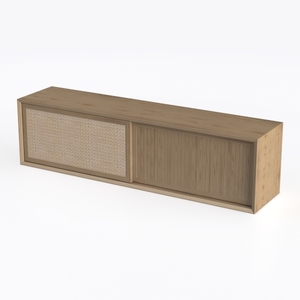
JOZZBY Set of 3 Storage Cabinet, Sideboard Buffet

Minimalist Brown Leather L-shaped Sectional Sofa 3D Model
Homestyler is an ideal online platform for anyone looking to transform their space effortlessly. With its user-friendly design tool, stunning 3D renderings, diverse design projects, and helpful video tutorials, you can turn your home design dreams into reality in no time!
Design jetzt kostenlos
































