

Banquet hall facilities in resort venues offer a unique blend of stunning views, exceptional service, and a controlled atmosphere, making them perfect for occasions such as weddings, corporate retreats, product launches, and association meetings. I assess these locations by focusing on factors like spatial organization, lighting effectiveness, sound quality, and operational flow to ensure that both guests and staff experience seamless events.
When planning events, understanding capacity and environmental control is essential, far beyond mere aesthetic appeal. Research by Steelcase highlights that thoughtfully designed spaces can lead to improved performance outcomes; for workplaces, effective spatial arrangements are linked to enhanced participation and reduced friction among team members (Steelcase Research). In hospitality, these concepts translate into clearer event spaces, efficient service pathways, and strategically placed areas that avoid congestion. Lighting considerations are also critical: the Illuminating Engineering Society (IES) recommends that dining areas achieve around 300–500 lux for general activities, ensuring glare is minimized and uniform lighting is present to combat visual fatigue (IES Standards). These guidelines distinguish between a ballroom that is merely impressive and one that functions effortlessly.
Guest comfort and their perception of an event are pivotal to satisfaction. Research on color psychology, summarized by Verywell Mind, indicates that warm colors can foster a vibrant atmosphere while cool colors promote tranquility and focus. Integrating neutral tones with pops of color can effectively steer the mood during different segments of an event—be it cocktails, dining, speeches, or dancing—while still honoring brand aesthetics (Verywell Mind, color psychology). In my event designs, I generally ensure aisle widths of 2.7–3.0 meters for accommodating 300–500 attendees and designate service corridors of 1.8–2.4 meters to avoid collisions, all while maintaining a sound strategy involving soft finishes, carpeting, and acoustic panels to enhance speech clarity.
Key Factors for Resort Selection
• Banquet capacity and flexibility: Ballrooms equipped with movable partitions (three to five sections) allow for simultaneous breakout sessions and quick adjustments when needed.
• Ceiling height and staging: Clear heights of 6–9 meters with rigging points are essential for audiovisual setups, projection screens, and elaborate decorations without obstructing sightlines.
• Back-of-house accessibility: Efficient loading dock access, pre-event storage, and nearby service elevators streamline operations.
• Lighting adaptability: The inclusion of dimmable LED lights, adjustable white tones (2700K–4000K), and layered accent lighting for stages and focus tables enhances the mood setting.
• Sound quality: Employing STC-rated partitions and soft materials guarantees clarity during presentations and dampens excessive noise from adjacent tables.
• Outdoor options: Access to patios or lawns for cocktail receptions along with quick re-entry routes in the event of weather changes.
• Guest room availability: Arranging accommodations above event spaces minimizes travel time, especially beneficial for extended corporate gatherings.
Exceptional Resort Types Distinguished by Banquet Quality
• Coastal luxury resorts: Expansive ballrooms (900–1,200 square meters), daylight-filled pre-function areas, and ocean-view terraces for ceremonies. I prioritize wind-resistant structures and saltproof materials for outdoor setups.
• Mountain retreats: Grand timber halls with robust rigging points and lodge-like lounges perfect for cozy receptions by the fire. Acoustic treatments behind wood features effectively manage sound reverberation.
• Urban destination resorts: Sky-high ballrooms with panoramic views and advanced blackout functionalities prepare the venue for events reliant on visual presentations. Adequate back-of-house infrastructure, like multiple freight elevators and ample storage space, is key.
• Desert/spa resorts: Versatile courtyards and ballrooms designed to accommodate varying temperatures; I prefer shaded areas, evaporative cooling options near entries, and indoor lighting around 300–500 lux to ease the transition from bright outdoor environments.
• Island resorts: It's vital to have backup plans for weather; convertible indoor spaces that mimic outdoor arrangements, along with tenting options and rapid AV adjustments, are crucial for success.
Achieving the Right Light and Atmosphere
I initiate my planning by mapping out guest experiences with varying lighting scenarios: a welcome atmosphere at 200–250 lux using warm color temperatures (2700–3000K); dining with brightness levels of 150–200 lux focused on centerpieces; speeches highlighted at 300–500 lux with glare-free front lighting; and an energetic dance setting at 50–100 lux with lively color highlights. Preventing glare is essential—implementing shielded fixtures and strategic light direction ensures comfort and visually appealing photos.
Acoustics and Clear Communication
Quality ballrooms emphasize speech clarity. Using materials like carpeting, soft chairs, drapery, and acoustic panels helps manage reverberation to create a comfortable speaking environment, avoiding the harshness typical of venues with hard surfaces. Choice of partitions is crucial; higher STC ratings between divided areas reduce interference during concurrent sessions.
Space Configuration: Flow, Services, and Experiential Design
For events accommodating 300–500 participants, I advocate for radial table layouts that direct attention to the main stage, maintaining a minimum distance of 1.5–1.8 meters between table edges and primary aisles. Buffets should ideally be placed on secondary circulation paths with 3-point access to minimize queuing frustrations. Pre-event areas should offer standing room of 1.2–1.5 meters per guest during peak times to ease congestion. To visualize various seating arrangements and service pathways, utilizing a room layout tool allows for simulations of table quantities, dance floor arrangements, and stage visibility prior to finalizing decorations.
Sustainability in Material Use
Resorts that prioritize reusable event decor, exclusively use LED lighting, and source local floral arrangements significantly reduce logistics waste. Choosing durable, stain-resistant fabrics ensures that the venue stays appealing with repeated use. It's important to select materials that are suitable for the local environment—like resistant metals to salty air, UV-stable fabrics, and high-durability carpets—to minimize maintenance while keeping guests comfortable.
Back-of-House Efficiency in Service Design
The success of a banquet largely depends on what happens behind the scenes. Designating clear service corridors, positioning hot boxes near the ballroom, and arranging dish stations to avoid front-of-house interference can enhance plate service efficiency. Bars should be well-distributed for every 75–100 attendees during busier periods, and additional coffee stations can help reduce lines after key sessions.
Seamless Tech Integration
It's crucial to ensure venues are equipped for robust audio-visual needs: having backup power options, adequate ceiling rigging, blackout facilities, and sound isolation for recordings is essential. Strong Wi-Fi connectivity and cellular boosters are vital for corporate events and live applications. I always request on-site video tests and measure lighting and audio levels during rehearsals to confirm readiness.
Critical Questions to Ask Before Booking
• What are the ballroom's maximum capacities for seated banquets, theater setups, and cocktail arrangements, along with information on partition options and rigging layouts?
• What are the lux levels and dimming capabilities, and can you provide examples of lighting scenes?
• What are the STC ratings and RT60 metrics (if available)? Also, please share details about the carpet type and underlayment.
• Can you provide information on loading dock access, elevator dimensions, and the proximity of storage spaces?
• Are there backup venues available for weather contingencies and options for parallel programming?
• What is the available inventory for linens, chairs, and decorations, and do you enforce any LED-only lighting policies?
• Can I see a list of preferred vendors and any union regulations impacting scheduling?
Setting Standards for Performance Benchmarks
To ensure comfort and lighting quality during events, referencing WELL v2 guidelines can provide valuable insights into environmental standards; for strategies on seating and boosting engagement in collaborative settings, the Steelcase research library holds practical data about the impact of spatial design on performance. I incorporate these benchmarks when reviewing resort ballrooms to maintain alignment between mood and functionality.
Frequently Asked Questions
Q1: What is the recommended capacity for a banquet hall for a 300-guest wedding?
A: Aim for ballrooms that can accommodate 300 guests while allowing for an additional 10–15% capacity to account for the dance floor, staging, and circulation—this often requires about 900–1,100 square meters based on table configurations and entertainment requirements.
Q2: What should the brightness level be during dinner service?
A: Target an ambient light level of 150–200 lux while incorporating accents on centerpieces and buffet offerings. Low glare should be maintained using shielded fixtures and indirect lighting.
Q3: What is the ideal ceiling height for professional audio-visual setups and floral arrangements?
A: A ceiling height of 6–9 meters with rigging points is necessary to support projections, lighting trusses, chandeliers, and large-scale floral displays without obstructing views.
Q4: How can I minimize noise at a banquet without compromising the energy?
A: Utilize soft furnishings such as carpets, drapes, and upholstered seating, while considering acoustic panels behind decorative wood to absorb sound. Distributing bars can also prevent congregated lines that escalate noise levels.
Q5: What layout is most effective for a mixed agenda involving speeches, dining, and dancing?
A: A radial or fan-shaped arrangement directed at the stage is beneficial, allowing a central area for dancing with a secondary flow around buffet stations. It’s useful to previsualize with a room configuration tool to check sightlines and aisle widths.
Q6: What bar-to-guest ratio is ideal?
A: One staffed bar should serve every 75–100 guests during peak cocktail times, adjusting based on the complexity of drinks and event pace.
Q7: How do outdoor resort spaces align with banquet areas?
A: It is best to design a contingency plan that mirrors outdoor activities: a terrace for cocktails, a ballroom for dining, incorporating easy re-entry routes and covered staging to facilitate rapid AV transitions.
Q8: What color temperatures are appropriate for various phases of an event?
A: Use warm lighting (2700–3000K) during arrivals and meals; neutral tones (3500–4000K) are effective for presentations to maximize alertness; and lower levels with vibrant highlights work well for dance segments.
Q9: Are tunable white systems beneficial?
A: Absolutely—tunable LED technology allows the transition from warm welcoming shades to bright presentation lighting without the need for extensive rigging changes, ensuring visual comfort throughout the event.
Q10: How can I determine the acoustic quality of a venue?
A: Request RT60 data, verify STC ratings of partitions, and conduct a sound test or short AV rehearsal to evaluate speech clarity.
Q11: What sustainability practices should be expected from a high-end resort venue?
A: Look for venues that feature LED lighting exclusively, maintain reusable decor, utilize local florals, implement efficient HVAC zoning, and prioritize durable materials suitable for their environment, reducing waste and upkeep.
Q12: What pre-function area size is best for 300 guests?
A: A standing space of 1.2–1.5 meters per guest is ideal during peak arrivals, with multiple entry points to alleviate congestion before the event starts.
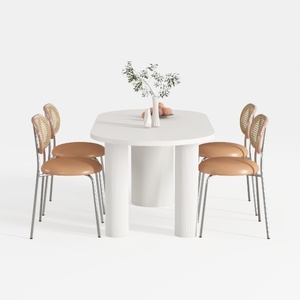
DUOMAY Modern Boucle Dining Chairs Set of 2,

Palace Imports Solid Wood Bookcase - 6-Tier
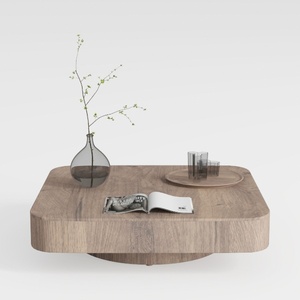
Minimalist Solid Oak Square Floating Coffee Table 3D Model
If you're looking to transform your home effortlessly, Homestyler is your go-to online design platform. Its user-friendly design tool allows you to create stunning spaces, while the extensive 3D rendering and DIY video tutorials inspire your creativity. Elevate your home design journey today!
تصميم الآن مجانا
































