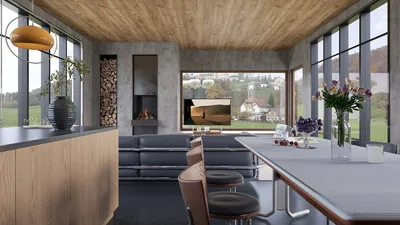


Incorporating plants into your living room adds not only texture and movement but also a sense of life. However, the choice of pot is crucial to completing this aesthetic. When selecting a pot, I prioritize those that support the plant's health first—considering drainage, appropriate size, and material—followed by how it fits within the room's design in terms of scale, shape, and color cohesion. A thoughtfully chosen pot can enhance a seating area, soften edges, and direct attention without creating visual chaos. Using tools like Homestyler can help visualize this arrangement effectively.
To ensure thriving plants, it's essential to focus on the fundamentals. The WELL v2 standard emphasizes the importance of indoor environmental quality, which significantly impacts occupant well-being. Plants, when maintained correctly, can improve air quality and reduce stress. Choosing the right size pots is important as well; a 2-3 inch increase in diameter usually provides sufficient rooting space for most houseplants without causing overwatering. Additionally, positioning pots appropriately to minimize glare can enhance the plant's health and overall aesthetic. I ensure that foliage is placed away from direct light, complying with IES recommendations for bright living areas. Homestyler can assist in arranging these optimal placements.
Research shows that elements of nature have a calming impact on individuals. According to a report by Steelcase, exposure to natural elements can enhance both well-being and satisfaction. Meanwhile, Verywell Mind highlights the significance of green hues in promoting balance according to color psychology. To maintain a soothing atmosphere, I prefer using warm, matte neutrals in my pot selections. Glossy finishes near windows can produce glaring highlights, which contradicts the goal of tranquility.
What Determines an Excellent Living Room Pot
Three primary factors influence my pot selection: the right scale, material functionality, and aesthetic harmony. Scale is directly related to proportion; a floor pot that is 14–18 inches tall pairs well next to a lounge chair, while smaller 6–10 inch pots are ideal for consoles and coffee tables. Material functionality involves considerations like drainage capabilities, weight, and porosity; for example, terracotta allows for evaporation and is suitable for drought-friendly plants, while glazed ceramics retain moisture for tropical varieties. Aesthetic harmony can be achieved by mirroring forms and tones—select a rounded pot to echo the curve of a club chair or choose a slender conical planter to contrast a boxy sofa.
Material Selection and Their Characteristics
• Terracotta: This porous material promotes evaporation; ideal for pairing with snake plants or cacti. The warm terracotta hue complements earthy design themes and diminishes glare.
• Glazed Ceramic: Retaining moisture longer, these pots work well for calatheas, ferns, or peace lilies. Opt for satin finishes to reduce reflections.
• Fiberstone: Lightweight yet durable, this material is perfect for larger planters in weight-sensitive apartments. Its fine texture can give a modern touch without appearing too cold.
• Metal (powder-coated): Sleek and resilient, these pots require a liner and proper drainage; muted colors can help avoid reflections near sunlight.
• Wooden Sleeves: Offering warmth and tactile appeal, it's vital to utilize a waterproof liner and elevate the inner pot with risers to prevent decay.
Ensuring Proper Drainage Practices
Proper drainage is essential for plant health. When using a decorative pot lacking a drainage hole, I often place a grower pot inside, elevated on ceramic risers to prevent moisture retention. Adding a layer of LECA or coarse perlite at the bottom of the inner pot can enhance airflow without replacing the need for actual drainage. It’s crucial to use appropriately sized saucers with felt backing to protect flooring—my preference is for low-profile saucers that discreetly manage overflow.
The Intersection of Color Psychology and Living Room Aesthetics
The color of a pot can influence atmosphere and mood. Studies from Verywell Mind associate green with harmony and rejuvenation. I favor greens and soft neutrals—like moss, oatmeal, and camel—to create seamless transitions between fabrics and plant life. Darker colors such as deep charcoal or espresso can ground lighter rooms, while muted terracotta and saffron can inject warmth without being overwhelming. Utilizing tools like Homestyler allows for better visualization of how these colors come together in a space.
Achieving Balance with Scale and Layout
Strategically using pots can help direct the flow of a living space effectively. Placing a tall planter near a window softens vertical elements and obscures blind cords, while a set of medium pots flanking a media console can create a balanced but informal symmetry. When planning your layout, using a room design tool is beneficial to assess sightlines and traffic patterns before committing to heavy pots.
Designing for Light and Plant Wellness
Select plants based on sunlight availability. Plants thriving in east-facing windows should be in glazed ceramics; those benefiting from bright southern exposures appreciate the breathability of terracotta. Textured pots can mitigate glare—ribbed or matte finishes help control shine. It is essential to keep taller planters elevated 6-12 inches from glass surfaces to avoid overheating, creating an air gap that enhances comfort for both plants and furnishings.
Understanding Acoustics, Weight, and Ergonomics
The size of your pots can influence sound, as heavier, soft-surfaced choices like fiberstone and ceramic help absorb and scatter minor echoes, making them superior to thin metal designs. From an ergonomic perspective, it's important to consider weight when lifting and watering plants. A 16-20 inch ceramic pot may exceed comfortable lifting limits, so using plant caddies with locking wheels can simplify movement, along with planning a watering schedule that minimizes heavy lifting. Ensure pathways remain clear, keeping pots outside of the primary 30-36 inch walking zone.
Creating Cohesive Arrangements That Feel Intentional
Aim to arrange pots in groups of three at varying heights. For instance, a corner setup could feature a tall floor planter alongside a mid-height pedestal and a tabletop option. Duplicate one finish twice and introduce a different one as an accent. If working with a low-lying sofa, a single large pot often has a more substantial impact than several smaller options—prioritizing size over quantity is key.
Simple Maintenance Strategies for Potting
• Self-watering inserts can reduce maintenance frequency for tropical plants in glazed vessels.
• To conceal soil and combat fungus gnats, consider topdressing with natural pebbles or coco husk chips.
• Select plant species that align with the pot’s characteristics: use terracotta for those that prefer drier conditions and ceramics for consistent moisture.
Choosing Sustainable Options
Look for planters made from recycled materials, responsibly sourced wood, and finishes designed for longevity. Selecting durable pots not only enhances aesthetics but also limits replacement needs, supporting sustainability while aligning with daily maintenance and overall interior lifecycle.
Valuable Research Insights
I often refer to the WELL v2 guidelines to assess indoor environmental standards and review Steelcase's research regarding the impact of natural elements on well-being. These resources help ground my design choices in measurable outcomes that prioritize occupant comfort.
Frequently Asked Questions
Glazed ceramic pots provide flexibility by retaining moisture, thus minimizing the risk of under-watering. For those who favor drier conditions, terracotta is an excellent choice for succulents and snake plants.
Increase the pot diameter by approximately 2-3 inches for most houseplants to prevent overwatering and grant roots adequate space to grow.
Indeed, if a decorative pot lacks drainage holes, nest a grower pot equipped with drainage inside and raise it on risers to prevent water pooling.
Soft neutral tones—like moss, oatmeal, and sand—help to minimize visual distractions. A single darker pot provides an anchor point within the overall scheme without constricting space.
Ensure at least a 30-36 inch clear pathway throughout the room. Employ a layout tool to visualize traffic and avoid creating congestion before positioning heavier planters.
When positioned near bright windows, high-gloss finishes can reflect light; opting for matte or satin pots reduces glare and fosters a more serene atmosphere.
Utilizing three pots of varying heights, repeating one finish while introducing a contrasting third can yield a cohesive look. Matching forms with furniture can enhance visual continuity.
Utilize felt-backed saucers for surface protection and consider using plant caddies with locking wheels to handle heavy pots. Always verify the weight limits to safeguard delicate or floating floors.
Glazed ceramic pots or self-watering inserts maintain consistent moisture levels. Situate them near east windows for gentle morning illumination.
Yes, large fiberstone or ceramic pots contribute mass and dampen sound reflections, thus reducing echo in spaces with hard surfaces.
Absolutely, terracotta’s porous nature facilitates evaporation, making it ideal for succulents and cacti placed in south-facing windows. Remember to rotate plants occasionally to encourage uniform growth.

Discover the magic of home design with Homestyler! This user-friendly platform features an innovative online design tool, stunning 3D renderings, a wealth of design projects, and engaging DIY video tutorials. Transform your space effortlessly and unleash your creativity today!
Zaprojektuj teraz za darmo
































