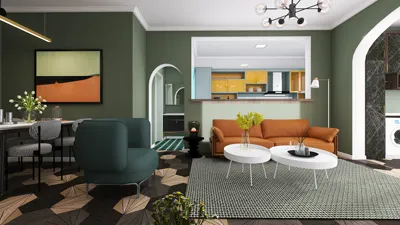


A memorable experience I had involved placing an oversized drum pendant above a small round table, prompted by a client's desire for a 'dramatic' effect—it ended up overwhelming the space, leading to a redesign. This little misstep highlighted the importance of scale, brightness, and position in lighting design; sometimes, the most effective fixture is the one that subtly enhances the dining experience without drawing too much attention. Here’s a concise study from my work involving dining spaces that helped clarify these elements to a hesitant client.
1. Singular Sculptural Pendant—maintain the focus
I appreciate the impact of a singular sculptural pendant hanging directly over a round table. It acts as a piece of jewelry for the table: a striking element that frames conversation and casts a gentle glow. The benefits include straightforward installation and a significant style statement; however, achieving the right height and size is crucial to avoid glare and maintain a tidy appearance.
save pin
2. Low-Hung Globe Cluster for Intimate Conversations
Arranging 2-3 globes at various heights delivers a warm, casual ambiance perfect for round tables. This configuration is forgiving in compact spaces and visually complements the round shape, but it requires careful wiring and balancing—the last time I set it up, I spent an entire afternoon fine-tuning the cords until the cluster looked just right, much like a chandelier.
save pin
3. Slim Drum with Dimmer—modern and versatile
A slim drum shade that aligns proportionately with the table showcases even lighting and a sleek design. Coupling it with a dimmer allows you to adjust from bright for studying to soft for intimate dinners—a favored solution when clients desire versatility. For expansive open-plan areas, I sometimes align this design with a lighting scheme in the kitchen to ensure continuity throughout the space, ideally showcased in a Homestyler layout.
save pin
4. Layered Lighting: Fusion of Pendants and Wall Lights
Combining a pendant with wall sconces or uplifted recessed lights enriches the room's warmth, ensuring the dining area doesn’t feel overly spotlighted. The benefits include a balanced atmosphere and added depth. While this approach requires more fixtures and careful planning, the enhanced result—especially in elongated dining rooms—justifies the additional effort.
save pin
5. Flexible Track or Swing-Arm Fixtures for Versatility
If your seating arrangement changes frequently or you utilize the dining table for work, a compact track or adjustable swing-arm lights allow for dynamic beam positioning. This functionality is not only practical but stylish when selecting fixtures with clean lines. I once demonstrated this adaptability to a client using a custom pendant integrated into a Homestyler 3D plan to illustrate sightlines and how shadows play across the dining area.
save pin
FAQ
Q1: What is the optimal height for a pendant over a round dining table?
A: Aim for the pendant's bottom to hang 28–34 inches above the table for standard ceiling heights of 8–9 feet; for taller ceilings, adjust slightly higher. This maintains a pleasant view and effective lighting.
Q2: How should a pendant’s size relate to the table?
A: A popular guideline is that the fixture's diameter should be approximately 1/2 to 2/3 that of the table to maintain proper proportions without overwhelming the area.
Q3: Is it acceptable to mix different pendant designs above a round table?
A: Indeed—mixing various materials or shapes can be visually appealing as long as there is a consistent finish or scale. I often suggest a unified metal tone to help connect diverse forms harmoniously.
Q4: What is the ideal amount of light (lumens) for dining tables?
A: Aim for roughly 300–500 lumens per person seated at the table, or a total of 3,000–5,000 lumens for the dining area, depending on existing ambient lighting. Dimmers are recommended to adjust the mood and task requirements.
Q5: Are LED fixtures preferable for dining areas?
A: LEDs offer energy efficiency, low heat emission, and warm color temperatures suited for dining (2700K–3000K). They are my go-to choice for durability and light control.
Q6: What is the best color temperature for dining spaces?
A: Warm white light at around 2700K–3000K enhances skin tones and creates a cozy atmosphere—ideal for dining experiences and social gatherings.
Q7: Is professional assistance necessary for installing multi-pendant clusters?
A: I typically recommend hiring an electrician for clusters and track lighting to ensure safe and symmetrical installations; they facilitate balanced wiring and secure fixture suspension.
Q8: Where can I access expert lighting design resources and standards?
A: For authoritative standards on illumination and best practices, refer to the Illuminating Engineering Society (IES) at https://www.ies.org, which provides industry benchmarks and recommended lighting levels.
Homestyler is your go-to online platform for home design! With its user-friendly design tool, stunning 3D renderings, and a wealth of DIY video tutorials, you can effortlessly create and visualize your dream spaces, making home design accessible and fun for everyone!
Design Now for FREE
































