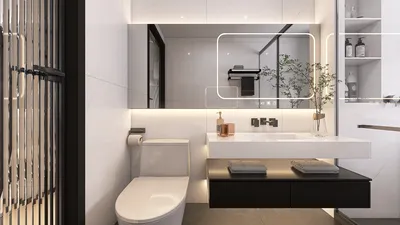


I once arrived to refresh a tiny bathroom and mistakenly picked up a large, shaggy paint roller — the outcome resembled a woolly mammoth's sneeze on the walls. This mishap taught me that the length of the roller nap is just as crucial as the color choice, particularly in tight spaces where every drip and texture is amplified. For these smaller projects, I frequently create a small room layout mock-up using Homestyler, which allows me to forecast sightlines and finish quality before I make the first stroke with paint.
Compact areas ignite substantial creativity, and selecting the right roller nap is one of those minor choices that can make a big difference. Allow me to guide you through five quick and practical tips for choosing the perfect nap for your walls, taking into consideration the surface, paint type, and desired finish.
1. Ultra-smooth walls — opt for a short nap (1/8"–1/4")
If your plaster or drywall has been sanded smooth, using a short nap like 1/8"–1/4" will yield the sleekest finish while reducing stipple. This option provides a nearly professional smoothness, especially ideal for gloss or semi-gloss paints; however, it requires impeccable prep work and multiple passes to conceal minor flaws effectively.
Budget tip: affordable short-nap rollers may shed fibers, so consider investing in a mid-range microfiber or woven cover to avoid any fluff ruining your finish.
save pin
2. Lightly textured walls — the universal choice (3/8")
For standard painted drywall or lightly textured eggshell finishes, I typically reach for a 3/8" nap. It holds plenty of paint for consistent coverage without amplifying texture. This option is forgiving, efficient, and pairs well with latex paints, though it may impart a subtle texture on very smooth surfaces compared to a shorter nap.
When aligning paint selections with room designs, I prefer to test color and finish within context using a quick mock-up in Homestyler, particularly in kitchens; this is where I often find inspiration on how finish impacts light in a kitchen layout.
save pin
3. Medium texture or older plaster — elevate to a 1/2"
Older residences with moderate texture or patched walls benefit from a 1/2" nap. This option effectively reaches into alcoves, masks minor defects, and accelerates coverage. While it provides superior hiding power, it also slightly increases the visibility of roller stipple and the amount of paint used per coat.
Practical note: for oil or heavy latex paints, employ a thicker-pile knitted roller to ensure an even uptake and release of paint.
save pin
4. Rough walls and ceilings — long nap (3/4"–1")
Stucco, heavily textured plaster, or rough exterior walls necessitate a 3/4"–1" nap. These longer naps trap and release more paint to uneven surfaces, ensuring that no crevices are overlooked. The benefit is noticeably quicker coverage with fewer applications, although this typically involves sacrificing a smooth finish and using more paint overall.
For those seeking a tidier appearance on a budget, consider spot-sanding prominent high points first, then using the thicker nap to complete the remainder of the work.
save pin
5. Trim, doors, and specialty finishes — prioritize material over nap
When working on trim, doors, or high-sheen finishes, I frequently choose foam or very short-nap covers to prevent roller marks — the material selection is as critical as the nap length itself. Microfiber and woven covers work excellently with modern latex paints, while foam is ideal for polyurethane or ultra-smooth enamel tasks, although one must be cautious to avoid cross-hatch marks.
When I plan for a comprehensive remodel, I appreciate being able to visualize the outcome through Homestyler, as it provides clients the opportunity to see how sheen and texture interact with varying light before they commit to brushes and rollers.
save pin
FAQ
Q: What nap should I use for living room walls?
A: For most living rooms with standard drywall, a 3/8" nap is the safest choice, balancing coverage and finish. If the walls are particularly smooth, consider switching to a 1/4" nap for a sleeker appearance.
Q: Does nap length influence paint consumption?
A: Indeed — longer naps retain and dispense more paint, meaning rough surfaces using 3/4" or 1" naps will consume more paint per layer. Conversely, short naps consume less paint but may necessitate additional coats on textured surfaces.
Q: Which material roller cover is optimal for latex paint?
A: Microfiber or woven knit roller covers perform exceptionally well with latex paints, providing an even release and minimal lint. For smooth finishes, a high-quality short nap microfiber is advisable.
Q: Can I use the same nap for ceilings and walls?
A: Generally, yes — however, textured ceilings often require a 1/2"–3/4" nap for adequate coverage; smooth ceilings can utilize a 3/8" nap or shorter. When selecting larger naps, consider the convenience of using an extension pole.
Q: How can I avoid roller marks?
A: Employ high-quality roller covers, maintain a wet edge while painting, and apply pressure evenly. For glossy finishes, select a short-nap foam or woven cover and employ light, overlapping strokes to minimize marks.
Q: Is there a standard recommendation from paint manufacturers?
A: Yes — many paint manufacturers like Sherwin-Williams suggest a 3/8" nap for most interior walls and a 1/2" or larger for rough textures (refer to Sherwin-Williams guidelines at https://www.sherwin-williams.com/). Always verify specific nap recommendations related to the paint type on the product page.
Q: Can a cheap roller suffice?
A: In a pinch, budget rollers can work for a quick single coat, but they often shed fibers and deliver subpar coverage; investing in a medium-range cover saves time and prevents touch-ups. For critical finishes, opt for a higher-quality brand.
Q: How should I test nap before painting the entire room?
A: Apply a small test patch in a concealed corner or on a scrap board, inspecting it under both natural and artificial light. This quick experiment will help confirm the choice of nap, material, and technique before committing to the complete job.
save pin
Homestyler is your go-to online home design platform! With its user-friendly design tool, stunning 3D renderings, and a wealth of DIY video tutorials, you can effortlessly create and visualize your dream spaces. Transform your home design journey today with Homestyler!
Design Now for FREE
































