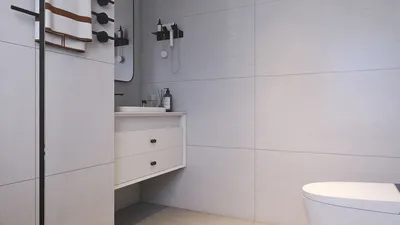


When considering living room tile flooring, I find it essential to view it as both a design centerpiece and a functional surface. Selecting the appropriate tile not only enhances the room's aesthetic appeal but also influences foot traffic, reflects light in an efficient manner, and helps manage sound levels, all while maintaining a cozy atmosphere. Different types of tiles, from expansive porcelain options to the rustic look of terracotta and contemporary terrazzo, should be chosen with an understanding of ergonomics, color psychology, and the daily lifestyle of your home.
My choices are guided by both performance and comfort. The WELL v2 standards remind us of the importance of visual comfort and effective glare management in supporting occupant wellness. This led me to consider how the reflectiveness of finishes interacts with lighting. Steelcase's research indicates that settings optimized for natural light and visual clarity significantly enhance user satisfaction and focus. Thus, in living rooms, it’s beneficial to select tile finishes that are appropriate in gloss and pair them with adjustable warm lighting for evening ambiance. I adhere to IES recommendations that suggest living rooms function best with ambient lighting levels of 10–30 footcandles, with additional task lighting to reduce harsh reflections on shiny tile surfaces.
The choice of tile also influences user behavior within the space. According to the Interaction Design Foundation, the texture of a material can subtly guide movement: seamless, polished tiles promote smooth traffic flow, while matte finishes create inviting, slower-paced areas. I utilize an interior design simulator to visualize traffic patterns and sightlines, enabling me to explore tile placements, rug layering, and transition spaces before finalizing installation decisions.
Large-Format Porcelain: Clean Lines for Modern Aesthetics
For contemporary living spaces, opting for large porcelain tiles of 24"×48" or larger provides visual tranquility. With fewer grout lines, these tiles create a more expansive impression, making maintenance straightforward. I tend to choose neutral shades like warm gray, bone, or muted taupe with a low-sheen finish to minimize glare. In minimalist environments, rectified edges with tight joints (2–3 mm) amplify consistency and guide the eye seamlessly from the entrance to the seating area.
Textured Terracotta: A Touch of Earthy Warmth
Terracotta tiles bring a natural warmth through their subtle tone variations, complementing modern furnishings beautifully. A sealed matte finish not only protects against stains but also maintains the clay's breathing quality. In homes where children or pets are present, I prefer tiles in dimensions of 8"–10" squares or hexagonal shapes, which allow for easy repairs without disrupting the overall pattern. By layering terracotta with soft wool rugs, mid- and high-frequency sound reflections are minimized, enhancing the acoustic comfort during conversations.
Terrazzo Tile: Playful Aesthetics and Robust Durability
With their distinctive aggregate chips, terrazzo tiles add a hint of playfulness to the living area. A medium chip size coupled with low-voltage warm lighting (2700–3000K) helps soften the sparkle and reduce any flickering effect. Choosing a honed finish not only enhances traction but also maintains the material's elegant appearance. I often incorporate similar aggregate colors in textiles and art—using two to three colors across cushions or throws ties the scheme together without overwhelming the visual narrative.
Marble and Stone-Look Porcelain: Elegant Yet Low Maintenance
Porcelain that mimics natural stone captures the essence of marble veining and limestone flow while offering improved scratch resistance. In environments flooded with daylight, I prefer soft, feathery veining combined with satin finishes to prevent sharp reflections. Laying the veins parallel to main sightlines can create an illusion of increased space. For areas that experience high movement, it's advisable to use tiles with a slightly structured surface (R9–R10) to ensure stability while remaining comfortable underfoot.
Pattern Play: Herringbone, Chevron, and Modular Grids
Incorporating patterns can establish spatial rhythm within a room. Utilizing a porcelain herringbone arrangement set at a 45° angle brings a lively energy to living rooms that may lack architectural details. Chevron patterns feel sharper and more directional, making them ideal for guiding movement from entry to seating. Modular grid layouts (12"×24" tiles with a 1/3 offset) are accommodating on lengthy sightlines and reduce tile wastage. An interior layout planner can expedite the decision-making process regarding pattern alignment around features like fireplaces or windows.
Color Psychology: Elevating Mood Through Design
Tile color can significantly influence the ambiance of a room. Insights from Verywell Mind emphasize that blues and greens evoke calmness, while warm neutrals foster feelings of comfort and familiarity. In living spaces, choosing subdued warm grays, clay beiges, and gentle greens strikes a balance between sociability and relaxation. I steer clear of vibrant colors for flooring unless the overall color scheme is carefully curated; instead, I prefer the tile to serve as a neutral backdrop while utilizing textiles for seasonal color shifts.
Grout Strategy: Nuances that Make a Difference
The contrast of grout lines can significantly impact the perceived strength of a pattern. A tone-on-tone approach maintains a subtle aesthetic, whereas a slight contrast (one shade darker) helps outline edges without drawing too much attention. To enhance stain resistance—critical for living spaces where food or crafting occurs—opting for epoxy or high-performance cementitious grout is essential. For most porcelain settings, a standard joint width of around 3 mm is ideal, while handmade terracotta may require a slightly wider gap (5–6 mm) to accommodate size variability without the risk of chipping.
Light and Glare Management: Optimizing Illumination
Achieving an ambient lighting level of 10–30 footcandles, supplemented by task lighting (like reading lamps positioned near couches), eliminates the need for relying solely on overhead fixtures. Target to use bulbs within the 2700–3000K range for evening comfort and adjust the lighting to mitigate reflections off of shiny tiles. If glossy finishes are your preference, strategically position fixtures to avoid direct reflecting angles, and consider shaded lights to soften high-intensity points. IES standards serve as a valuable reference to anchor these lighting choices and ensure a pleasant atmosphere throughout daily activities.
Acoustic Comfort: Enhancing Sound Quality
Tiles inherently reflect sound. To maintain clarity during conversations, I recommend layering with sound-absorbent textiles such as plush area rugs, upholstered furniture, and acoustic wall art. Incorporating bookshelves and indoor plants can further diffuse sound in a pleasing manner. If the living room features high ceilings, adding ceiling clouds or soft drapes can help mitigate sound reverberation—small adjustments can make a significant impact.
Ergonomics and Human Considerations: Ensuring Safety and Comfort
Living rooms often serve multiple purposes: lounging, entertaining, or allowing pets and children to play freely. Choosing tiles with a slip rating between R9 and R10 offers a balance of traction and ease of cleaning. At entrance points, installing schluter or slim metal trims not only enhances safety but also provides clean transitions. To maximize comfort underfoot during gatherings, resilient underlayment beneath thinner tile systems can effectively reduce impact fatigue.
Sustainability and Maintenance: Wise Choices for Long-Term Use
The recycled content of porcelain has been on the rise, with many brands offering Environmental Product Declarations (EPDs) and Health Product Declarations (HPDs) to verify their sustainable attributes. Natural stone and terracotta should be sealed based on manufacturer instructions; regular cleaning with a gentle pH-neutral solution weekly and a deeper clean every quarter will extend their lifespan. Investing in durable and timeless finishes results in longer replacement cycles, embodying the essence of sustainability.
Zoning with Tile: Defining Spaces and Sightlines
Enhance spatial definition by altering the orientation of tiles or introducing a subtle border in a complementary color. Placing rugs strategically can anchor specific seating areas while softening the paths of movement. Ensure that circulation edges are tidy, steering clear of cutting intricate patterns at doorways where wear tends to accumulate. A room design visualization tool offers a platform to simulate rug sizes and border placements before final acquisitions are made.
Installation Insights: Foundation, Layout, and Details
Begin with a leveled, dry substrate for your installation. Utilizing medium-bed mortar for large-format porcelain tiles helps prevent lippage and supports the weight effectively. It’s beneficial to dry-lay critical rows to check pattern alignment at key focal points—like the fireplace or major windows—and to respect expansion joints while planning transitions to adjacent flooring finishes. A clean installation contributes significantly to the overall compositions of a living room, creating an effortlessly styled environment.
FAQ
Opting for large-format tiles (24"×24" or 24"×48") reduces the amount of grout needed while visually expanding the area. In rooms with irregular walls, using 12"×24" tiles with a 1/3 offset simplifies alignment and minimizes excessive cutting.
Maintain an ambient light level of 10–30 footcandles and use warm lights in the 2700–3000K spectrum. Position lighting to avoid grazing angles, enhancing comfort by incorporating shades or diffusers to soften bright spots, in accordance with IES guidelines.
Yes, with proper sealing and a matte finish. Select mid-size tiles and complement them with rugs to enhance traction and sound comfort. Regular pH-neutral maintenance will keep the space looking inviting and well-loved.
For a cohesive look, match grout closely to the tile color for a subtle effect. A slight variation in shade can help define edges without overwhelming the overall design.
Definitely. By implementing resilient underlayment beneath thinner tile setups and layering textiles like rugs and upholstery, you can effectively improve acoustic comfort and reduce noise from foot traffic.
Always dry-lay key rows and center lines to align with prominent features. Utilizing a room layout tool can assist in visualizing borders and orientation adjustments to ensure clean sightlines.
For everyday practicality, stone-look porcelain offers exceptional resistance to scratches and stains, mimicking natural veining. Selecting a satin or honed finish assists in managing reflections while ensuring grip.
Implementing rug anchors, subtly changing tile orientation, or introducing a subtle border are all effective strategies. Always maintain clean circulation paths to avoid cluttering intricate patterns at entrances.
Muted warm neutrals and gentle greens contribute to a soothing sociable environment. Avoid overly saturated tile floors unless the color scheme is tightly controlled; keeping the tile neutral allows for flexibility through seasonal textile updates.
Regular weekly cleaning using a pH-neutral solution, along with spot sealing as needed (for natural stone or terracotta), and deep cleaning quarterly are ideal practices. Always refer to manufacturer EPD/HPD documentation for specific care instructions.

Meridian Furniture 77054Natural Everson Collection
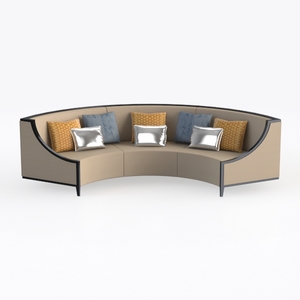
Modern Fabric Curved Sectional Sofa With Decorative Throw Pillows 3D Model
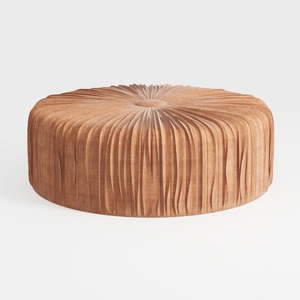
Minimalist Round Tufted Fabric Ottoman 3D Model
Homestyler is your go-to online home design platform! With its user-friendly design tool, stunning 3D renderings, and a plethora of inspiring design projects and video tutorials, transforming your space has never been easier. Bring your creative vision to life today!
Design Now for FREE
































