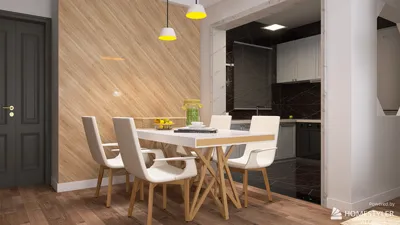


In my view, a living room swing, known as jhula, serves not merely as a seat but symbolizes warmth and comfort. When selected carefully, the ideal swing combines sturdy construction, ergonomic design, and genuine materials, harmonizing with the room's flow and lighting. A well-positioned jhula can foster engaging conversations, absorb sound, and instill a soothing essence in daily life, making it a perfect fit for any space designed using tools like Homestyler.
Prioritizing comfort and posture is essential. The WELL v2 standards indicate that effective seating design promotes musculoskeletal well-being and alleviates discomfort during extended use. This translates to an ideal seat depth of 16-18 inches for most adults, an ergonomically friendly backrest, and gentle movements without excessive swaying. Research from Steelcase highlights that micro-movements can enhance comfort and focus throughout the day, an aspect worth considering when selecting a swing with controlled rocking capabilities instead of abrupt swings. These guidelines inform my assessment of living room jhulas.
The significance of light and color cannot be overlooked. IES guidelines suggest that living spaces should aim for around 300-500 lux, and cozy color temperatures within the 2700-3000K range effectively promote relaxation. Insights from VerywellMind indicate that warm neutrals and soft blue hues can mitigate stress and elevate comfort levels. A jhula positioned to harness soft, indirect sunlight—while steering clear of harsh glares—creates an inviting atmosphere. For a deeper understanding, consider exploring the WELL Building Standard at wellcertified.com or IES lighting recommendations at ies.org/standards.
Essential Features to Consider When Choosing a Living Room Jhula
Structure and load capacity: Opt for frames and suspension systems that specify clear weight limits; a minimum of 250-300 lbs is advisable for single-bench designs in typical households. Examine welds or strong mortise-and-tenon joinery if made of wood. Ensure that chain links or braided rope have adequate ratings and are resistant to corrosion.
Ergonomics: Target a seat height of around 16-18 inches along with a backrest angle of 100-110 degrees for optimal support. Rounded front edges alleviate pressure on the thighs, while a slight lumbar curve promotes good posture during extended chats.
Motion control: Seek out options featuring bushings, swivels, or dampers for smooth, quiet movement. Controlled oscillations provide a cozy experience and enhance safety for children and pets.
Material selection: Durable materials such as solid teak, oak, or ash ensure longevity and beautifully mature over time; powder-coated steel withstands scratches and humidity fluctuations. Performance fabrics (resistant to abrasion and easy to clean) or removable cushions facilitate maintenance. For eco-conscious buyers, confirm the sourcing of hardwoods and the use of low-VOC finishes.
Acoustic comfort: Employ soft cushions, throws, and nearby rugs to minimize sound reflection from hard surfaces. Even a canopy-style jhula can help dampen acoustics in larger spaces.
Guidelines for Placement and Layout
Position the jhula to ensure clear circulation paths—ideally allowing for 36 inches of walking space around the swing area. Maintain a minimum of 18 inches behind the swing if it faces a wall to prevent contact during swinging. If you're considering options, a room layout tool like Homestyler can help you visualize movement and swing clearance before making any alterations to your ceiling or mounting a frame: room layout tool.
Achieve visual balance. A heavily carved wooden jhula requires complementary elements—such as bookshelves, a credenza, or a grounding rug—to prevent an off-kilter appearance. Lightweight frames can harmonize beautifully with airy drapes and slender side tables.
Mind the light. Optimize natural lighting by aiming for soft, sideways sunlight while supplementing with 2700-3000K wall sconces placed safely outside the swing's path. Dim-to-warm LEDs contribute to a tranquil evening ambiance and minimize glare on shiny surfaces.
Various Jhula Styles and Their Integration
Traditional carved wood: Boasting rich detailing and an heirloom quality, this style works wonders with warm neutrals, metallic touches, and textured fabrics. Verify that your ceiling joists can bear the weight if hung; consider freestanding alternatives for rental spaces.
Contemporary minimal: Featuring slim steel or bentwood frames with neutral cushions, this style is perfect for compact apartments where lightness and simplicity are paramount. Pair with low-profile lighting and monochromatic color schemes for cohesiveness.
Canopy or high-back variations: These designs provide an enclosed feel, especially valuable in open-concept areas. Treat the canopy as a vertical feature—ensuring alignment with ceiling lines and maintaining proportion to prevent overwhelming the space.
Double-seat or conversational jhulas: With a slightly broader footprint, ensure you check for sufficient arc clearance. This configuration encourages face-to-face interaction, becoming a central feature in your living room.
Installation Considerations and Safety Protocols
Ceiling mounting: Use a reliable stud finder to locate structural components like joists or beams, and verify their capacity to bear weight. Employ rated eye bolts, lock washers, and backer plates when necessary. Ensure chain lengths are consistent and that there are at least two independent points for lateral stability.
Freestanding frames: These are ideal for concrete ceilings or in rental scenarios. Assess the base for footprint and anti-tip features, and apply felt pads underneath to protect flooring and reduce vibration noise.
Child and pet safety: Manage swing size near low furniture edges; incorporate soft textiles around the area. Regularly inspect hardware for any signs of wear, particularly in humid environments.
Exploring Color, Texture, and Emotional Atmosphere
Color psychology suggests the use of warm woods and earthy textiles for grounding energy; soft blues and greens encourage relaxation and conducive reading areas. Combine textures—handwoven cushions against smooth wood, matte metals next to plush throws—to enrich tactile experiences without visual confusion. Maintain a careful balance of elements: one statement piece (the jhula), two supportive accessories (rug, floor lamp), and three softer items (cushions, throw, plant) to preserve aesthetic harmony.
Strategies for Smaller Spaces
Select compact designs with slim arm profiles and place them against walls. A ceiling-hung jhula is an excellent way to conserve floor space but requires meticulous planning; utilize an interior layout planner to avoid miscalculations before committing: interior layout planner.
Maintenance and Durability
Regularly dust wood surfaces and condition oiled finishes as necessary. Annually check metal fasteners for signs of rust and re-tighten as essential. If covers are removable, wash them as needed, and alternate cushions to ensure even wear. For coastal environments, consider marine-grade materials to prevent corrosion.
Budgeting and Value Assessment
Prioritize the quality of the structure and suspension system, followed by craftsmanship and finish. If working with a limited budget, consider a minimalistic frame with high-quality hardware, and gradually enhance its textile personality. Quality components like chains, eye bolts, and bearings produce the smooth, quiet motion that elevates the experience of using a jhula.
Frequently Asked Questions
Aim for a clear circulation space of 36 inches around the jhula, ensuring the swing’s path does not collide with walls or furniture. Maintain a spacing of at least 18 inches behind the seat if placed near a wall.
Yes, provided it can be securely attached to sturdy structural members. If there's uncertainty regarding your setup, utilize a freestanding frame to avoid damaging ceilings or slabs.
Provide a lighting level of 300-500 lux using warm 2700-3000K sources. Incorporate dim-to-warm fixtures and prevent glare on glossy surfaces from direct lighting.
Solid hardwood options such as teak or oak, along with powder-coated steel, are highly durable. Opt for performance fabrics and comply with low-VOC finishes for longevity and health benefits.
Employ bushings or dampened hardware, introduce soft rugs and textiles nearby, and routinely check fasteners to mitigate any unwanted rattle. Controlled movement will ensure the acoustics remain pleasant.
Absolutely—just ensure you opt for compact designs and assess layout in advance to guarantee adequate clearance. Ceiling-mounted choices can effectively save floor space when implemented correctly.
A seat height of 16-18 inches and a seat depth of the same range typically accommodates most adults, with a backrest angle around 100-110 degrees that encourages relaxation.
Dust on a weekly basis, condition oily finishes seasonally, and maintain a stable humidity level. Inspect hardware annually and consider marine-grade components for coastal environments.
Yes, it can firmly establish your living space's design. Balance its weight with complementary items like rugs, lamps, or shelving, ensuring a tranquil backdrop to prevent overwhelming the senses.
Indeed, particularly in open-concept layouts where a sense of gentle enclosure is beneficial. Just make sure the canopy's dimensions suit the ceiling height and do not obstruct sight lines.
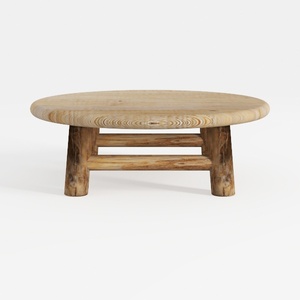

Rustic Solid Wood Round Coffee Table 3D Model
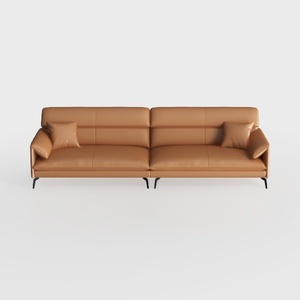
Modern Minimalist Tan Leather Living Room Sofa 3D Model
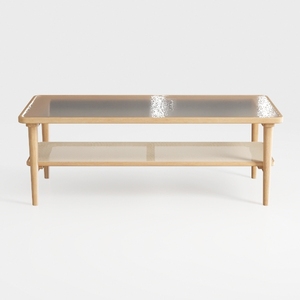
Minimalist Solid Wood Glass Top Coffee Table 3D Model
Homestyler is your go-to online platform for home design. With an easy-to-use design tool, stunning 3D renderings, and a treasure trove of video tutorials, transforming your space has never been easier. Dive into creative projects and unleash your inner designer today!
Zaprojektuj teraz za darmo
































