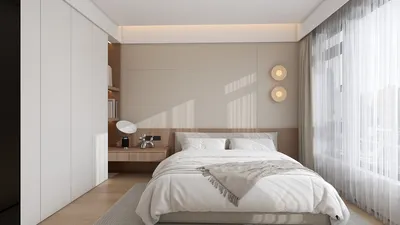


I once persuaded a client to choose a safe light grey, only to discover that under afternoon sunlight, it took on an icy blue tint, making their sofa appear unappealing. This experience taught me that both undertones and lighting conditions outweigh the color swatch seen in stores. Now, I always advocate for clients to visualize the color in 3D before making a final decision. This approach is particularly beneficial in small spaces, where careful selection of grey can create an illusion of width, warmth, or elegance.
1. Warm Light Grey: the Cozy Minimalist
I adore warm light greys with gentle beige or peach undertones, especially when a client seeks a cozy, inviting atmosphere without the full beige effect. These shades work wonderfully with natural wood tones and brass accents. However, be cautious—excessively warm greys can cause bright whites to appear yellowish, so it’s best to test them in proximity to windows and lamps. On a budget? Consider trying a mid-range paint sample first and create a 1x1m test patch to observe it throughout the day.
2. Cool Light Grey: crisp and contemporary
Cool greys featuring blue or green undertones convey a clean, modern aesthetic, making them ideal for a vibrant backdrop to colorful artwork. The advantage of cool greys is their ability to maintain a feeling of freshness in the space; however, they can feel somewhat chilly when placed in north-facing rooms, so it’s worthwhile to soften the look with warm textiles or metallic accents. One little challenge: it’s essential to harmonize your lighting temperature, as warm fixtures can clash with cool grey walls.
3. Greige: the balanced chameleon
Greige—a blend of grey and just a hint of beige—has come to my rescue more than once when clients struggle to choose between warm and cool tones. This versatile color adapts well to varying light conditions and allows mixed-tone furnishings to coexist harmoniously. If you’re uncertain about undertones, greige serves as the safest compromise; just keep in mind it may appear slightly flat without the introduction of different textures like rugs and throws.
4. Smoky Light Grey: depth without darkness
Smoky light greys (with a slightly deeper Light Reflectance Value while still being light) provide depth and drama without sacrificing airiness. I often apply them on an accent wall behind a media console to anchor the room—be mindful that they tend to show scuffs more than ultra-light paints, so picking a washable finish is advisable if pets or children are present. For renters, consider utilizing removable wallpaper or panels to achieve this aesthetic without the need for repainting.
5. Undertones, Trim, and Pairings
Select your preferred shade of grey and then test it alongside your trim, ceiling, and fabrics—as trim whites can influence how a grey appears, making it warmer or cooler. I swiftly sketch color layouts and layouts to help clients visualize the entire space; if you wish to create a quick floor plan, it aids in determining where to position darker greys for visual balance. Pro tip: use throw pillows and an area rug to experiment with contrast prior to any repaints.
6. Lighting Tricks for Light Grey
The influence of natural and artificial light on grey tones can be dramatic as the day progresses; north-facing light often cools greys, while south-facing light warms them. I always recommend testing paint during both morning and late afternoon while also layering lighting—ambient plus task and accent—to ensure the grey looks appealing at any hour. Additionally, small spaces can greatly benefit from reflective surfaces and mirrors to bounce light around, keeping the light grey vibrant rather than flat.
7. Paint Finishes and Practical Choices
Flat or matte finishes may reduce glare but can be more challenging to clean, whereas eggshell or satin finishes offer slight sheen and durability—which is my go-to for living rooms facing moderate foot traffic. If you’re conscious of your budget, consider purchasing a sample pot, painting a 2x2 foot board, and living with it for a week. For those optimizing a tricky layout, utilizing tools that aid in maximizing small living spaces and visualizing lighting can significantly expedite your decisions.
FAQ
Q1: What are the best light grey paint colors for a small living room?
A1: Opt for light greys that possess a higher Light Reflectance Value (LRV) along with subtle warm or neutral undertones to prevent a cold ambiance. Always test samples on various walls and observe them under different lighting throughout the day.
Q2: How do undertones affect a light grey?
A2: Undertones (whether blue, green, beige, or purple) influence how grey interacts with whites, wood, and fabrics—blue undertones tend to look cooler, while beige undertones provide warmth. Always compare the swatch against your actual trim and flooring to understand their interaction.
Q3: Can I use the same light grey on walls and trim?
A3: You can, although selecting a slightly different shade or finish for the trim (such as a brighter white or glossier sheen) often enhances depth and offers cleaner edges. Matching them precisely can feel flat unless offset by contrasting textures.
Q4: Which finish is best for living room walls?
A4: Eggshell or satin serves as a practical solution—providing enough sheen for easy cleaning without being overly shiny and highlighting imperfections. Use matte finishes for low-traffic accent walls if you prefer that plush finish.
Q5: How do I test paint without committing?
A5: Create 12x12-inch swatches on different walls, observing them in the morning and evening light; you can also paint boards for flexibility. Live with samples for a few days to assess them under various lighting conditions.
Q6: Will light grey make my room look smaller?
A6: Generally, no—light greys can visually enlarge a room if they reflect light effectively; but darker or overly cool greys may confine a space, especially in north-facing or windowless rooms. Combine them with lighter ceilings and reflective decor to enhance openness.
Q7: Where can I learn about Light Reflectance Value (LRV)?
A7: The LRV explains the amount of light a paint reflects and aids in predicting brightness; for comprehensive, reliable insights, explore Sherwin-Williams’ LRV resources, which detail how to read and apply LRV during your paint selections.
Q8: Any quick pairing rules for furniture and light grey walls?
A8: Warm greys harmonize with wood and brass, cool greys complement chrome and glass, while greiges can accommodate both. Utilize textiles and an accent color to add personality without the need for repainting.
Homestyler is your go-to online platform for home design inspiration and creativity. With its user-friendly design tool, stunning 3D renderings, and a wealth of DIY video tutorials, you can effortlessly transform your ideas into reality and create the home of your dreams.
Design Now for FREE
































