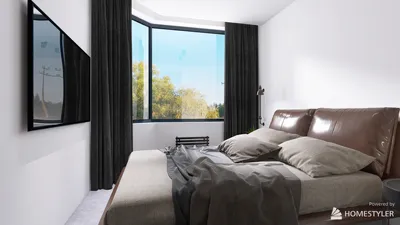


In my experience, I once had a client requesting light gray wall paint, claiming it could ‘hide everything’ — but when they opted for glossy black cabinets, the overall ambiance of the room nearly vanished. After sketching a quick layout, I discovered that light gray isn’t universally applicable; rather, it serves as a mood influencer. For that initial idea, I utilized a brief layout drawing to assess light and furniture arrangements prior to finalizing the paint choice.
1. Soft Warm Gray for Cozy Corners
I have a penchant for warm light grays that contain a hint of beige for bedrooms and reading areas — they evoke a sense of warmth and hospitality. The beauty of this shade lies in its ability to complement wooden elements and warm metallic finishes; however, it can appear overly beige under fluorescent lights, so it's wise to test samples throughout various times during the day. Budget insight: a mid-range paint with two coats usually achieves the desired finish even in compact spaces.
save pin
2. Cool Pale Gray to Expand a Tiny Room
Cool, pale grays with blue undertones act like a neutral wide-angle lens — they visually expand smaller areas and effectively reflect daylight. I applied this method in a studio apartment to create a seamless appearance between the kitchen and living space; the key is to warm up the textiles to prevent the area from appearing sterile. A practical tip: incorporating warm textiles and a wooden table helps to balance out the cooler hues.
save pin
3. Gray with a Touch of Greige for Versatility
Greige, a blend of gray and beige, is my preferred choice when clients seek adaptability between modern and traditional styles — it easily accommodates both aesthetics. This tone is forgiving under varying lighting conditions and pairs well with most flooring options, though it may present different tones once applied, so I always recommend painting a 2x2 foot sample. When planning kitchen upgrades, I frequently combine this shade with my layout explorations and actual cabinetry samples to ensure a good match, particularly when testing kitchen layouts. Using a tool like Homestyler can aid in visualizing these combinations effectively.
save pin
4. Accent Wall in Deeper Gray for Contrast
Implementing a deeper shade of light gray as an accent wall introduces drama without the heaviness of fully dark walls; it elegantly frames artwork and seating arrangements. The benefit of this approach lies in the instant depth and sophistication it provides, while the drawback is the necessity for precise coordination with lighting to ensure the accent doesn’t absorb all available light. My guideline: maintain 60% of the room in lighter neutral colors and 40% in deeper hues for a harmonious balance.
save pin
5. Textured Gray Finishes and 3D Effects
For smaller spaces requiring a personality boost, a lightly textured or plaster-effect gray introduces dimension without overwhelming the environment. While it may come with a slightly higher cost and needs skilled application, the outcome is indeed custom and tactile. Before finalizing my choices, I often create a 3D mockup to visualize how texture and shadows interplay — viewing it in a three-dimensional context helps prevent unnecessary repainting.
save pin
FAQ
1. What is the best light gray paint for small rooms?
I suggest opting for a pale gray with neutral undertones (one that isn’t excessively blue or beige) as it effectively reflects light and has consistent visual appeal. Testing samples on different walls and in varying daylight conditions is essential before purchasing.
2. Should I choose warm or cool light gray?
Select warm grays if your flooring features warm wood or if you desire a cozier atmosphere; choose cool grays to enhance a modern, airy aesthetic. Keep in mind the room’s natural lighting — north-facing rooms often benefit from warmer grays.
3. How many paint samples should I test?
It’s best to test 3 to 5 samples on different walls at various heights; relying on just a single swatch typically isn’t sufficient. Monitor the samples over a few days to note any color shifts under changing light.
4. Can light gray make a room feel cold?
Indeed — particularly cool, blue-tinged grays can feel chilly in dimly lit rooms. You can counter this effect by incorporating warm textiles, wooden accents, or warm-hued lighting for greater comfort.
5. Is light gray good for kitchens and bathrooms?
Light gray is highly versatile for both spaces, but it’s advisable to select washable, semi-gloss finishes for areas with high moisture or traffic. Prioritize matching cabinetry and countertops to prevent conflicting undertones.
6. How do I pair trim and molding with light gray walls?
Crisp white trim provides a classic contrast and helps maintain a clean feel in the room; meanwhile, off-white or soft cream trims will warm up the overall palette. Typically, I recommend pure white for modern designs and warmer tones for traditional aesthetics.
7. Are there authoritative resources on paint undertones?
Absolutely — paint manufacturers, such as Benjamin Moore, offer in-depth color guides detailing undertones and light behavior; their resources are invaluable for professional advice.
8. How can I preview gray paint before committing?
Create a 3D mockup or apply large swatch patches on-site and give them at least 48 hours for evaluation. Merging tangible samples with a 3D render allows me and my clients to avoid surprises and make assured decisions. Using a platform like Homestyler can significantly enhance this process.
save pin
Discover Homestyler, the ultimate online home design platform! With its user-friendly design tool, stunning 3D renderings, and a wealth of DIY video tutorials, you can effortlessly transform your space and unleash your creativity. Start designing your dream home today!
تصميم الآن مجانا
































