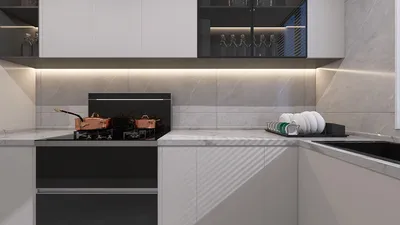


Selecting the ideal kitchen slab thickness within a smaller area involves balancing durability, ergonomic height, and visual aesthetics. In tight homes, I generally recommend starting with a slab thickness of 20 mm to 25 mm (approx. 3/4" to 1") for engineered stone or porcelain, while a 30 mm (about 1-1/4") thickness is preferable for natural stones where extra rigidity is necessary due to spans or edge detailing. This thickness-to-span decision is crucial, as maintaining the appropriate height of work surfaces enhances task comfort and workflow efficiency; studies in workplace performance indicate that ergonomics tailored to specific tasks markedly improve both comfort and productivity (per Herman Miller research).
The behavior of materials also dictates the minimum safe thickness to consider. For example, larger overhangs, undermount sinks, and the concentration of heavy appliances in one area may necessitate specifying thicker slabs or implementing concealed reinforcements. Perception plays a significant role as well; thinner profiles create a lighter feel in compact kitchens, making spaces such as galley kitchens appear more expansive. Thoughtful design choices translate into measurable benefits—visual comfort and lighting quality near work surfaces significantly impact task accuracy; applying the glare and illuminance standards defined by IES helps ensure that under-cabinet lighting is positioned effectively to avoid harsh reflections toward users' eyes.
Determining Slab Thickness for Compact Kitchens
I begin by assessing the essential tasks: chopping, mixing, dish-washing, and coffee preparation. In scenarios where multiple individuals cook, I map out designated zones and heights, maintaining the primary surface around 910 mm (36") high for most users. If clients desire a baking station at 38" or an accessible zone at 34", thickness must align with a precise stack: substrate + slab + adhesive + finished floor. Given that smaller spaces often feature long, uninterrupted runs, a 20 mm engineered quartz slab with a mitred edge can visually imitate a thickness of 30 to 40 mm without the accompanying weight. For spans that exceed 900 to 1000 mm without intermediate cabinet supports, I incorporate steel straps or plywood decks to retain a slim profile without sacrificing rigidity.
Material-Specific Thickness Recommendations
• For compact kitchens, 20 mm works exceptionally well, particularly when there is continuous cabinet support and minimal overhangs (≤250 mm).
• I typically opt for 30 mm near clusters of heavy appliances (such as professional ranges or large mixers) or when deep overhang seating without visible brackets is desired.
• Ultra-slim slabs at 12 mm can provide a chic look in minimal spaces; I ensure they are paired with a stable substrate and specify manufacturer-approved supports around cut-outs.
• In busy family kitchens or rental properties, a thickness of 18 to 20 mm offers a safer margin against edge chipping and thermal shock around cooktops.
• For marble or stones with distinct veining, I often recommend stepping up to 30 mm around sinks to mitigate the risk of fissure-related cracks.
• Granite and quartzite can generally hold up at 20 mm with appropriate reinforcement, but I still lean towards 30 mm in compact kitchens with long spans where fewer cabinets create extended clear distances.
Ergonomics, Height, and User Needs
Choosing slab thickness should never occur in isolation. The final counter height must correspond to the primary tasks of the users—taller individuals may favor heights of 38", while baking stations operate more efficiently at lower elevations around 34 to 35" to facilitate rolling dough. Consistency with ergonomic principles contributes to sustained comfort; well-designed environments that align with physical needs and tasks correlate with enhanced wellbeing and performance (Herman Miller research). In small kitchens, I avoid selecting thicknesses that necessitate unnecessary adjustments in toe-kick height or result in awkward elevations for wall outlets.
Visual Lightness Versus Structural Integrity
Small kitchens benefit from visually streamlined designs. A 20 mm slab with a mitred 40 mm front edge achieves an elegant look, concealing a lightweight core while maintaining a lower overall mass. When clients prefer a bold edge, I utilize selective thickening: a sturdier edge only at the island seating area, while keeping prep zones thin. The finish also counts—matte or honed surfaces can diffuse under-cabinet illumination and minimize glare, adhering to established best practices outlined by IES lighting standards to ensure that task lighting remains consistent and comfortable.
Layout Considerations and Support Strategies
The thickness of slabs is closely intertwined with the configuration of base cabinets. I examine cabinet gables, partitions, and appliance cut-outs to determine maximum clear spans. If the space allows a dishwasher adjacent to a sink cut-out, I often add a steel angle or hidden reinforcement beneath a 20 mm slab. For breakfast bars with overhangs of 250 to 300 mm, I designate low-profile brackets installed on studs spaced at 450 to 600 mm. Planning these supports early is simplified when utilizing an interior layout planner like Homestyler to test clearances and seating space prior to slab ordering.
Acoustics, Color Psychology, and Finish Choices
Hard, thin surfaces tend to echo sound; if your compact kitchen connects to a living area, a honed or leathered finish can help to soften sound reflections compared to highly glossy surfaces. Color psychology is also crucial in compact settings—lighter neutrals allow the space to feel more open, while a narrow dark edge can visually accentuate lines without shrinking perceived volume. For noise-prone households, I recommend pairing a slim slab with sound-dampening wall treatments or soft furnishings in close proximity to enhance acoustic comfort.
Edges, Seams, and Risk Areas
• Cut-outs: Around undermount sinks or cooktops, I typically thicken locally (using bonded ribs) or increase the radius at corners to alleviate stress.
• Seams: In constrained spaces, seams often lie near appliances—it's wise to avoid positioning them in areas with concentrated heat or vibration.
• Overhangs: Maintain seating edge dimensions of 250 to 300 mm for comfort; if utilizing a 20 mm slab, include concealed brackets to combat deflection.
Lighting and Glare Management with Thin Profiles
Thin, polished edges can create glare by reflecting light. Under-cabinet lighting strips should ideally be positioned near the front of the cabinet, equipped with a continuous diffuser to prevent harsh reflections on glossy quartz. I align task lighting to achieve about 300 to 500 lux on work surfaces (a common target for residential tasks derived from lighting standards) and avoid direct, bare-point sources illuminating across polished edges. Additionally, I maintain consistent color temperatures (typically between 3000 and 3500K) across pendants and task lighting to ensure visual comfort at night.
Sustainability and Long-Term Care
Opting for thinner materials can reduce both material consumption and overall weight, but only when there’s adequate support in place. I prioritize finishes that can be repaired and clear maintenance instructions from manufacturers. Porcelain and engineered quartz at 20 mm usually offer durability with lower maintenance cycles compared to many porous stones; when opting for natural marble, a robust 30 mm thickness in vulnerable areas, plus appropriate sealers, can help prevent premature wear and tear.
My Recommended Thickness Guide for Small Kitchens
• Minimal and modern aesthetics paired with solid support: 20 mm engineered quartz, mitred edge, and concealed brackets at seating areas.
• Cost-effective renovation with standard cabinets: 20 mm to 25 mm engineered stone atop a full plywood deck, incorporating radiused sink corners.
• Eye-catching island in a compact open space: 20 mm porcelain with a drop edge (40 to 60 mm visual) and supported spans.
• Timeless natural stone appeal: 30 mm granite or quartzite for long runs; visually slim down the upper area with shadow reveals at cabinet tops.
• Tiny galley kitchen with heavy appliances: Use 30 mm in appliance clusters; apply 20 mm elsewhere with continuous support to maintain a light atmosphere.
Workflow and User Behavior: Designing for Practical Use
I outline where tasks like chopping, plating, and coffee preparation occur each morning and adjust thickness and supports accordingly. If the island serves as a dining area as well, I’ll incorporate thicker edges only where stools will tuck in, while keeping the rest refined and bright. In narrow layouts, I avoid thickened edges near corners to prevent obstructions and maintain adequate clearance. Utilizing a room layout tool such as Homestyler helps verify turning radii and seating space requirements before proceeding to fabrication.
Installation Challenges That Affect Thickness
Access issues regarding stairs, elevators, and angle constraints often limit the size and weight of slabs. Handling two 20 mm pieces is significantly easier compared to maneuvering a singular, heavy 30 mm island in tight apartments. I double-check logistical conditions on-site early; it's far better to create an elegant seam than risk damage on the day of delivery.
Frequently Asked Questions
Yes, as long as there is continuous cabinet support, limited overhangs (≤250–300 mm with brackets), and reinforced areas around sinks and dishwashers. I frequently recommend 20 mm engineered quartz or porcelain in compact layouts.
For longer unsupported spans, natural stones with pronounced veining, heavy appliance clusters, or when you wish to achieve a more substantial feel, I recommend using 30 mm. It’s also advantageous if your aim is to minimize visible reinforcements at seating overhangs.
Yes. Thickness contributes to the base cabinet and substrate stack. I calculate the final height based on user preferences—typically set around 36", though baking or accessible areas may need to be adjusted downwards. Thickness should align with the heights of flooring and backsplash outlet positions.
Porcelain/sintered surfaces between 12 to 20 mm are notably durable when installed according to manufacturer guidelines with suitable substrates and supports, especially around cut-outs. I avoid long, unsupported spans and always reinforce areas near sinks.
Glossy, thin edges tend to reflect light from point sources. I design for diffused under-cabinet lighting and ensure consistent color temperatures (around 3000 to 3500K) to minimize glare. Adhering to task lighting targets from best practices promotes comfortable and accurate preparation work.
Yes. A mitred drop edge allows a 20 mm slab to visually appear as 40 to 60 mm at the front while maintaining a lightweight core. This approach is particularly well-suited for compact kitchens where visual bulk is a concern.
Aim for 250 to 300 mm for comfortable knee space. In configurations with 20 mm slabs, concealed steel brackets or angles are integrated into studs at intervals of 450 to 600 mm.
Enhancing comfort and productivity hinges upon matching surfaces to typical task heights and reach. I determine thickness to achieve optimal working heights without compromising support, following broader ergonomic principles underscored by workplace research.
Sleek, eased profiles on 20 mm surfaces appear clean and are less vulnerable to chipping. For a more traditional aesthetic, using a mitred drop edge or a small ogee on 30 mm slabs can be effective—just ensure that corners are rounded off.
Not necessarily, but many marbles and veined stones benefit from a thickness of 30 mm around sinks and extended spans. Granite or quartzite can perform at 20 mm with consistent support and localized reinforcement.
Mass contributes somewhat, but acoustics are primarily influenced by the finishes within the room. Choosing a honed or leathered surface can reduce sharp reflections, and using softer materials nearby enhances overall acoustic comfort.
Thicker slabs can occasionally mask minor plane discrepancies, but proper seam placement is essential at any thickness. I position seams away from heat sources, vibrations, and tight inside corners, ensuring continual support underneath.
Homestyler is your go-to online home design platform! With its easy-to-use design tool, stunning 3D renderings, and a wealth of DIY video tutorials, you can effortlessly create and visualize your dream spaces. Transform your home design ideas into reality today!
Design Now for FREE
































