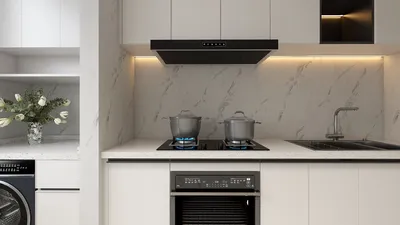


Designing your kitchen involves more than just aesthetics; incorporating a kitchen island exhaust hood is essential for ensuring a clean and fresh cooking atmosphere. This functional element effectively eliminates smoke, steam, and odors, keeping your kitchen a pleasant environment. In this article, we'll delve into the different types of kitchen island exhaust hoods, their advantages, and how to select the ideal one for your culinary needs, while also highlighting the benefits of using Homestyler in your design planning.
Exploring Different Types of Kitchen Island Exhaust Hoods
Several varieties of kitchen island exhaust hoods are available to suit different kitchen designs. Common types include wall-mounted hoods, ceiling-mounted hoods, and ductless range hoods. Wall-mounted hoods are best for kitchens with adjacent walls, while ceiling-mounted options are perfect for open layouts. Ductless hoods, which recirculate air, serve as an excellent choice for apartments or homes lacking external venting capabilities.
Advantages of Installing a Kitchen Island Exhaust Hood
Installing a kitchen island exhaust hood brings a host of benefits. Firstly, it significantly enhances air quality by filtering out pollutants and steam. Secondly, it contributes to the overall aesthetic of your kitchen, acting as a central feature. Lastly, a well-chosen exhaust hood can increase the value of your property, making it more appealing to potential buyers, which is something you can plan for using Homestyler.
Tips for Choosing the Right Exhaust Hood for Your Kitchen
When choosing a kitchen island exhaust hood, it is crucial to consider factors such as size, airflow capacity, noise levels, and design aesthetics. Make sure the hood complements your cooking area and has enough airflow to suit your cooking style. It's also wise to explore energy-efficient options that operate quietly, ensuring a harmonious cooking experience.
Frequently Asked Questions (FAQ)
What is the ideal height for an island hood? The optimal height usually varies depending on your cooking activities but typically lies between 30 to 36 inches above the cooking surface.
Can I install an exhaust hood by myself? While some may choose to attempt a DIY installation, hiring a professional is recommended for safety and to guarantee proper ventilation.
What maintenance is required for an exhaust hood? Regularly cleaning the filters and exterior surfaces is vital to ensure optimal performance over time.
Welcome to Homestyler, a platform to help you visualize and design your kitchen effectively!
Looking to transform your home? Homestyler is your go-to online design platform! With its user-friendly design tool, stunning 3D renderings, and a wealth of DIY video tutorials, you can effortlessly create and visualize your dream spaces. Get inspired and start designing today!
立即免费设计
































