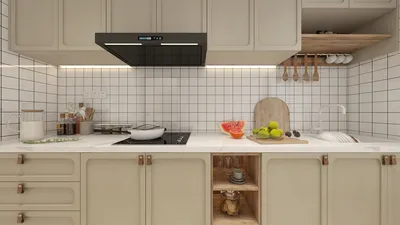


Statement chandeliers, often referred to as room jhumars, do more than illuminate a space; they serve as central design elements, establishing the atmosphere and guiding movement within the room. In my work, a jhumar acts as the visual conductor that integrates aspects like ceiling height, material choices, and the rhythm of the space. When executed correctly, it should enhance both task and ambient lighting while adhering to glare management and photometric standards. Research by Steelcase indicates that 32% of employees consider lighting to be a significant factor influencing productivity, highlighting that aesthetics alone may not suffice when it comes to efficiency (Steelcase Research). Furthermore, WELL v2 guidelines suggest mitigating glare and ensuring balanced vertical and horizontal illumination for comfortable surroundings, principles that I apply directly when selecting and positioning a jhumar (WELL v2, Light concept).
The scale and light output are essential considerations. For living spaces, my goal is to achieve approximately 10–20 lumens per square foot of ambient lighting, supplemented by wall washers or table lamps to meet functional lighting needs. According to IES recommendations for general residential applications, lighting typically lies between 150–300 lux, increasing to over 500 lux for areas focused on reading; thus, a jhumar should contribute to this ambient light without becoming a single glaring source (IES lighting standards). In hospitality settings, it is important to create strong vertical lighting to ensure faces and materials appear naturally—often complementing the jhumar with decorative pendants to manage contrast and spark interest. Additionally, color psychology plays an important role: warmer 2700–3000K bulbs promote relaxation, while neutral 3500–4000K bulbs enhance lively social areas and dining experiences (Verywell Mind, color psychology).
Selecting the Perfect Jhumar for Your Ceiling Height
Proportions are key to achieving elegance. As a general guideline, I recommend sizing the fixture diameter to roughly equal the combined length and width of the room (in feet), converted to inches. For instance, a 12'×14' room usually requires a chandelier with a diameter of about 26"–28". In living spaces, the bottom of the jhumar should be set at approximately 7' from the floor; over dining tables, lowering it to about 30"–36" above the tabletop fosters intimacy without obstructing views. For spaces with multiple stories, opting for vertical designs that distribute light across different levels enhances balanced vertical illumination while minimizing shadowed areas.
Creating Layers of Light Around a Statement Fixture
A beautiful jhumar becomes even more striking when complemented by various layers of lighting. I often combine the centerpiece with dimmable recessed downlights (for ambient light), wall sconces (for vertical luminescence), and task lamps (for focused light). Utilizing lamps with a CRI of 90+ in rooms filled with art keeps colors accurate, and maintaining a consistent color temperature ensures that the jhumar's brilliance harmonizes with cooler downlights. When dealing with intricate layouts—such as open living-dining areas, divided seating, or double-height staircases—it is beneficial to utilize an interior layout tool to plan sightlines and brightness ratios prior to installation: room layout tool.
Choosing Materials: Crystal, Brass, Wood, and Mixed Media
Material choice influences both the luminescence and perceived weight of the fixture. Cut crystal can create dazzling refracted patterns—ideal for formal settings, but caution is necessary to avoid glare. Brushed brass imparts warmth to the light spectrum, making it suitable for cozy lounges or mid-century aesthetics. Hand-turned wooden fixtures diffuse light gently and work beautifully in contemporary rustic designs. I prioritize low-VOC finishes and LED components with integrated drivers to ease maintenance. For areas where sound absorption is crucial—like those with hard flooring and tall ceilings—consider using chandeliers with felt-wrapped or wood-slatted designs that improve acoustics without sacrificing sparkle.
Mood Planning through Color Temperature
The color temperature and dimming settings can dictate the ambiance of the room. For a relaxing living area, I recommend 2700–3000K with deep-dimming capability down to 1% for movie nights. A gallery or reading nook benefits from a range of 3500K, emphasizing high CRI to honor the colors in art and text. When it comes to dining, I lean towards warmer tones and maintain slightly asymmetric brightness—illuminating the table while keeping the surrounding area more subdued—this approach creates visual drama without causing fatigue. Warm-dimming LEDs are preferable for those who appreciate the intimate glow of candlelight; the jhumar shifts beautifully in character as its output decreases.
Managing Glare and Ensuring Ergonomics
A stunning fixture should never create visual discomfort. To minimize glare, shield lamps with translucent diffusers, frosted sleeves, or tiered baffles. Maintaining a balanced luminance is crucial—avert unshielded light sources from direct sightlines. In environments adjacent to workspaces, position the jhumar outside common monitor angles and combine it with indirect lighting to mitigate contrast. These adjustments align with WELL v2 glare management recommendations and promote eye comfort during prolonged usage.
Spatial Ratios: Centering, Rhythm, and Visual Appeal
Centering a jhumar may not always be a straightforward task. I align fixtures based on the primary activity zones: directly above coffee tables, dining areas, or pathways. In asymmetrical spaces, I balance the look with twin sconces or pendant lights to preserve visual integrity. Repeating materials—such as brass accents in cabinet pulls or crystal in smaller fixtures—enhances the cohesive visual rhythm, allowing the jhumar to feel like part of a greater design narrative rather than a solitary piece.
Ceiling Types and Installation Tips
Different ceiling styles, be it plaster, coffered, or showcasing exposed beams, require unique mounting techniques. Ensure electrical boxes are reinforced for heavier fixtures, and check that the canopy size is appropriate for the ceiling medallion. For lower ceiling heights, opt for flush-mount jhumars or less dramatic tiered designs to maintain adequate clearance while adding visual interest. Compatibility with dimmers is an often-overlooked detail—ensure driver and control types (0–10V, TRIAC, or DALI) are aligned to avoid flickering. If a space serves dual purposes as a workplace, integrate the jhumar with indirect lighting to achieve 300–500 lux at desk level while avoiding harsh shadows.
Understanding Behavioral Patterns: The Role of Light
People are naturally drawn to comfortable light settings. A jhumar can promote gathering behaviors—hanging lower over dining areas to reinforce the social atmosphere or higher in living rooms to facilitate movement within seating arrangements. When guests arrive, the sparkle of the chandelier attracts attention towards the center; additional lighting then extends the usable area. Dimming capabilities allow the host to control the social energy: brighter for lively gatherings, softer for intimate post-dinner conversations.
Sustainability and Upkeep
Opt for LED fixtures with replaceable components rather than sealed products that contribute to landfill waste. Select timeless finishes over those that may quickly go out of style. Controlling dust is crucial—not only for visual appeal but also for performance; accumulated dust can decrease brightness and alter color. I advocate for anti-static cleaning methods and a solid maintenance strategy—using telescopic poles or drop systems in high ceilings—to maintain consistent light quality.
Styling Considerations for Furniture and Artwork
Enable the jhumar to engage in a dialogue with the room's design. In minimalistic settings, a sculptural piece becomes a focal point—enhanced by streamlined furniture and understated textures. In more adorned rooms, choose a fixture that complements decorative elements while avoiding chaos. Ensure that sightlines to artworks remain unobstructed; casting light onto vertical surfaces enriches the appearance of paintings and textures without causing intense hotspots.
Maximizing Small Spaces: Significant Impact Without Overcrowding
In compact rooms, lighter designs are advantageous—linear or ring chandeliers with a modest drop can lend sophistication without bulk. Utilizing reflective ceilings or light-colored paints can amplify brightness. For constricted entryways, opt for shallow profile jhumars and mirror-backed tables to enhance the sparkle. Combining these with slender sconces allows for increased vertical illumination while minimizing the overall footprint.
Frequently Asked Questions
Q1: What diameter of jhumar is best for a 12'×14' living room?
A1: A diameter of approximately 26"–28" is ideal. Maintain around 7' clearance from the floor to the bottom of the fixture, and layer it with dimmable ambient lights to achieve approximately 150–300 lux for general tasks per IES standards.
Q2: Which color temperature is optimal for dining areas?
A2: A setting of 2700–3000K offers an intimate and flattering atmosphere. Hang the jhumar 30"–36" above the table and include dimming options to adjust the ambiance during meals.
Q3: What can I do to prevent glare from a crystal chandelier?
A3: Implement frosted lamps, diffusers, or baffles, and position the fixture away from direct sightlines. Balance it with indirect lighting to maintain contrast, aligning with the glare control principles of WELL v2.
Q4: Is a jhumar sufficient for reading light?
A4: While it contributes to the ambient light, it should be paired with task lamps. Aim for 300–500 lux at the reading location; high CRI (90+) lamps will enhance the accuracy of colors and text.
Q5: What mounting considerations should I keep in mind for heavy fixtures?
A5: Ensure the electrical box is reinforced, verify the size of the canopy, and ensure that dimmer/driver options are compatible (0–10V, TRIAC, DALI). Plan for maintenance access in high spaces, such as with drop systems.
Q6: How can I effectively incorporate a jhumar in an open-plan living-dining setup?
A6: Utilize the jhumar to define the dining area while illuminating living spaces with layered ambient and vertical lighting. Test different placements and sightlines using a room layout tool: interior layout planner.
Q7: Which materials are considered timeless for chandeliers?
A7: Materials such as brushed brass, hand-finished wood, and understated crystal maintain their appeal over time. Emphasize replaceable LED components to minimize waste while ensuring consistent performance.
Q8: What is the best dimming strategy?
A8: Implement deep-dimming (down to 1%) for living and dining spaces, with warm-dimming options if you seek candle-like tones at low output levels. Ensure a consistent color temperature throughout the lighting layers.
Q9: Does lighting genuinely affect productivity?
A9: Absolutely—Steelcase research indicates that lighting is a vital element in perceived productivity. Achieving a balanced approach to vertical and horizontal illumination, while managing glare, is essential for visual comfort.
Q10: What height should a foyer jhumar be installed at?
A10: For double-height foyers, position the jhumar such that the bottom remains above 7'–8', maintaining a well-balanced vertical illumination; be sure to enhance sparkle without creating harsh contrasts.

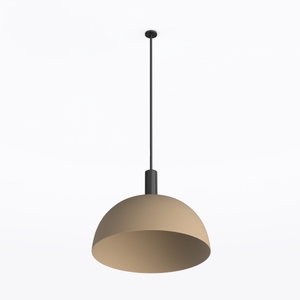
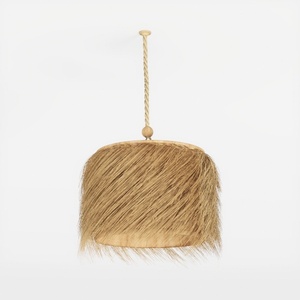
Looking to transform your space? Homestyler is your go-to online design platform! With its user-friendly design tools, stunning 3D renderings, and inspiring DIY video tutorials, you can bring your home décor visions to life effortlessly. Start your design journey today!
Design jetzt kostenlos
































