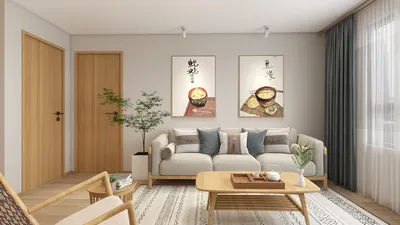


The entrance area of a home significantly influences its overall atmosphere. Choosing the right tiles—alongside appropriate lighting, proportions, and acoustic considerations—can create a hall that feels spacious, tranquil, and harmonious. My approach emphasizes selecting tiles that not only excel in durability and maintenance but also complement visual patterns. These choices are further enhanced by principles of color psychology and ergonomic flow, utilizing tools like Homestyler for visualization.
Utilizing data is crucial for effective design decisions. The WELL v2 Light guidelines suggest that providing sufficient illumination and managing glare can enhance visual comfort and overall mood; typically, a range of around 300–500 lux is recommended for living spaces, with areas for specific tasks requiring brighter lighting. Research by Steelcase has shown that restorative environments significantly contribute to wellbeing, and homogenous flooring transitions minimize cognitive strain—this insight guides my efforts to maintain a smooth and quiet flooring experience in hall spaces. I prioritize slip resistance suitable for residential foot traffic and choose textures that minimize glare from lighting.
Understanding color dynamics is essential. According to insights from Verywell Mind, shades of blue and green are calming, while warm neutrals foster a welcoming environment; thus, I gravitate toward subdued warm tones for halls to achieve a balance between warmth and restraint. In practical terms, I soften stark grout lines to mitigate visual distractions and adhere to a calculated design ratio: 60-30-10 for the main tile area, secondary accents, and minimal decorative trims.
Essential Factors to Consider When Selecting Hall Tiles
• Durability in High Traffic Areas: For family-oriented hallways, porcelain or premium ceramic tiles rated for heavy residential use provide excellent resistance to wear and tear.
• Safety through Slip Resistance: Textured matte finishes enhance safety while avoiding a cumbersome look; adjust the coefficient of friction (COF) through sealants only when absolutely necessary.
• Illumination Quality: Glossy tiles can enhance light but may also create glare; opting for matte or satin surfaces promotes comfortable light transitions, fitting well within the glare management practices recommended by WELL v2.
• Acoustic Considerations: While hard tiles can generate sound reflections, I mitigate this effect using soft area rugs, padded seating, and curtains to absorb noise while retaining the tiles’ sleek appearance.
• Comfort in Temperature: Large-format porcelain paired with underfloor heating ensures even temperature distribution and minimizes cold zones in lengthy hallways.
Tile Selections that Revitalize Your Hallway
• Expansive Format Porcelain Slabs (24"×48" or 36"×36"): These minimize grout visibility and visually expand narrow corridors. Employing subtle veins or speckled patterns adds depth.
• Limestone-Inspired Honed Porcelain: Offers a natural aesthetic while simplifying maintenance compared to real limestone; complement with warm lighting around 2700–3000K to enhance coloration.
• Terrazzo-Style Tiles: Introduce whimsical aggregate textures; keep chip sizes delicate and colors subdued for an elegant entrance.
• Textured Concrete Porcelain Tiles: Ideal for contemporary settings; coordinate with wooden accents for a warmer feel.
• Chevron or Herringbone Ceramic: Creates visual movement; I proportion the pattern’s scale thoughtfully to avoid overwhelming narrower halls.
• Subtle Marble Veining: Opt for mid-contrast veins to prevent glare under lighting; honed finishes enhance traction compared to polished options.
Color and Grout Strategy
• Starting with Neutrals: Shades like warm gray, greige, and oatmeal are adaptable to varying daylight conditions. Excessive saturation can be energizing yet fatigue-inducing; maintaining a calming ambiance in halls with soft hues is crucial.
• Grout Color Selection: Aim for grout shades that are within a single tone of the tile to create a cohesive look, elongating the visual perception of the hall space. Dark grout against light tiles can create visual busyness in extended areas.
• Defining Boundaries: Instead of stark contrasting edges, use tiles of a slightly darker tone or a slight texture shift to mark thresholds— this provides a neat and manageable solution.
Proper Lighting for Your Tiles
• Ambient Lighting: Maintaining 300–500 lux across the hallway helps eliminate dim areas and enhances safety.
• Light Control Techniques: Implement wall-washing or indirect lighting to create smooth light effects and reduce bright spots on semi-gloss tiles.
• Choosing Color Temperature: 2700–3000K lighting keeps residential hall materials looking warm; a Color Rendering Index (CRI) above 90 ensures natural stone look tiles appear authentic.
• Dimming Options: Having adjustable circuits allows flexibility for different times of day, enhancing how the tiles look and feel.
Considerations for Layout, Proportion, and Flow
The arrangement of the hall influences both sightlines and rhythm. I align tile arrangements with wall centers, doorway transitions, and primary axes. For slender hallways, a running bond pattern visually elongates the space; in broader halls, a grid or chevron pattern provides a consistent rhythm. Using tools like Homestyler facilitates visualizing spaced patterns against furniture layout and light sources to ensure grout lines align effectively with transitions.
Balancing Acoustics and Ease of Maintenance
Tiles promote cleanliness but may produce lively acoustics. To address this, I incorporate soft elements—entry rugs, cushioned benches opposite reflective surfaces—and utilize door seals. For upkeep, I recommend rectified tiles with uniform joints, stain-resistant grout, and sealed edges in areas prone to moisture. Avoid harsh cleaning agents that could degrade sealers and increase wear.
Commitment to Sustainability and Material Accountability
Select tiles featuring recycled content and low-VOC adhesives. Thin porcelain panels reduce resource consumption and transport weight. In lengthy hallways, durable choices lower replacement frequency, effectively decreasing their lifecycle impact.
Enhancing Your Hall’s Style: Quick Tips
• A runner rug over matte porcelain adds warmth while showcasing the tiles.
• A streamlined console maintains clear movement around; synchronize metal finish with grout color for consistency.
• Hanging art at uniform heights creates rhythm; avoid positioning it where lighting creates strong reflections on polished surfaces.
• Incorporating plants softens sound and introduces biophilic elements near light sources.
Common Pitfalls to Avoid
• Excessively polished surfaces in brightly lit areas can cause discomfort due to glare.
• High-contrast small mosaics in extended corridors can lead to visual chaos.
• Neglecting transition areas—implementing reducer strips and ensuring uniform heights helps avoid tripping hazards.
• Skipping sample evaluations—always consider tiles, grout, and lighting together for the best results.
Frequently Asked Questions
Honed or matte porcelain provides a balance of traction and easy maintenance, concealing small surface scratches better than polished alternatives while minimizing glare under lighting.
A comfortable ambient range for residential corridors is typically around 300–500 lux. Utilize wall washing or indirect lighting methods to maintain soft reflections on semi-gloss surfaces.
Indeed, minimizing grout lines reduces visual divisions, allowing the hallway to feel more spacious and serene. Ensure joint alignment with primary sightlines for cohesive design.
Warm neutrals—such as greige, oatmeal, and light taupe—combined with 2700–3000K lighting set a welcoming tone, while accents in muted blues or greens provide a calming effect without overwhelming.
When designed with fine aggregate and a matte or semi-matte surface, they can be beneficial. Employ a dirt-trapping mat at the entrance to minimize surface wear.
Incorporate area rugs, upholstered seating, and curtains to absorb mid-to-high frequency sounds, balancing the reflective nature of tiles without sacrificing design.
Using rectified tiles allows for 2-3 mm joints to establish a refined look. For a visually tranquil floor, match grout to within one shade of tile color.
Yes, porcelain tiles conduct heat effectively and endure temperature fluctuations. Ensure compatibility with specific adhesives and movement joints following manufacturer specifications.
They can be effective in lower-glare configurations with diffused lighting. Opt for honed surfaces in bright spaces or where maintenance and safety are key priorities.
Flush transitions with matching heights and coordinated reducer strips help maintain uninterrupted sightlines, preventing abrupt pattern alterations.
A running bond elongates the look, while a subtle chevron pattern adds interest without being overwhelming. Scale patterns appropriately to the width of the corridor for balance.
Darker tile options may compress a space if overly saturated. However, a balanced selection of mid-tone darks with warm, high-CRI lighting can still uphold a cozy and refined ambiance.


Homestyler is your go-to online home design platform, perfect for anyone looking to transform their space. With its user-friendly design tool, stunning 3D renderings, and a wealth of DIY video tutorials, you can effortlessly create and visualize your dream home. Get inspired and start designing today!
Design jetzt kostenlos
































