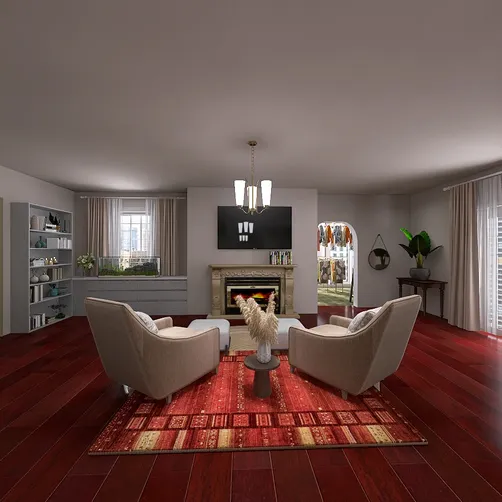



Grey tiles transform a living room into an elegant and adaptable space—ideal for contemporary minimalist design while offering warmth when combined with suitable textures and illumination. With over a decade of experience utilizing grey tile palettes, I ensure that clean lines coexist harmoniously with a sense of comfort, creating an atmosphere that is both stylish and inviting.
Research consistently indicates that the quality of our environment significantly influences our mood and functionality at home. The WELL v2 Lighting concept emphasizes the importance of suitable illuminance, glare management, and circadian lighting to enhance comfort and wellbeing. For living rooms, consider pairing matte or low-gloss grey tiles with layered lighting to mitigate harsh reflections and contrasts. Additionally, findings from Steelcase suggest that achieving visual balance and incorporating varied textures can lessen cognitive strain, making it easier to unwind after a lengthy day—factors to consider when selecting tile finishes, grout colors, and lighting temperatures.
The psychology of color plays a vital role alongside material choices. An overview by Verywell Mind suggests that cool tones foster tranquility and concentration; grey occupies a neutral space that can evoke warmth or coolness based on its undertones. I often anchor a living room with mid-tone grey floor tiles (LRV 30–45) and subsequently adjust the atmosphere using warm taupe textiles or cooler graphite highlights. For lighting, maintaining a color temperature around 2700–3000K for evening relaxation and 3000–3500K for daytime activities helps to create a balanced environment, avoiding feelings of starkness.
Choosing the Ideal Grey Tile: Tone, Finish, and Format
Begin by considering the undertone. Warm greys (greige) beautifully complement wooden furniture and brass elements, while cool greys enhance chrome and black steel features. For flooring, porcelain tiles in sizes of 24"×48" or 24"×24" minimize grout lines and provide a serene visual experience. I prefer rectified porcelain with a matte or silky finish to reduce glare and conceal footprints more effectively than polished surfaces. If stone-like aesthetics appeal to you, opt for honed limestone-look porcelain for a natural texture without the upkeep.
Grout Strategy for Visual Rhythm
The choice of grout can drastically alter the overall appearance of your space. Match the grout color closely with the tile for a cohesive, gallery-like effect on the floor. Alternatively, selecting a shade slightly darker provides subtle grid definitions that introduce visual rhythm. Maintaining joint widths of 2–3 mm with rectified edges ensures a visually calm surface. For walls, a touch more contrast can enhance texture—especially with ribbed or fluted porcelain panels positioned behind a media unit.
Layout Designs That Enhance the Space
Utilizing large-format tiles arranged in a straightforward stack bond gives a modern and architectural feel. If your living area lacks length, orient rectangular tiles along the longest visual line to create an illusion of expansiveness. For a sophisticated touch, a gentle offset (30%) reduces repetitive joints while avoiding overly busy patterns. When planning different functional zones—like media areas, conversation spots, and reading nooks—leverage the tile grid alignment to position furniture strategically. A sectional taking root on full tile modules enhances intentionality and minimizes waste during cuts.
When determining traffic flow and seating arrangements, employing a room layout tool proves invaluable for simulating pathways, rug dimensions, and space clearances prior to making decisions concerning tile cutting or furniture purchases.
Lighting: Layering, Color Temperature, and Glare Management
Guidance from the IES highlights the necessity for balanced illuminance and glare control. In practice, aim for approximately 150–300 lux for ambient lighting, 300–500 lux for task-specific areas like reading, and accent lighting that emphasizes vertical surfaces to enhance spatial perception. Mix lighting sources, such as recessed or track lighting for ambient light, wall washers to soften contrast on grey surfaces, and table lamps with fabric shades for diffused light. Avoid pinpoint fixtures on polished tiles; matte alternatives combined with broad-beamed fixtures help reduce unwanted reflections.
For evening relaxation, dim lighting to 30–50% output at 2700–3000K. During the day, elevate this to 3000–3500K alongside natural light from windows—be sure to manage glare with sheer curtains and matte tile finishes.
Tactile Warmth: Soft Furnishings, Wood, and Metal Balance
Grey tiles benefit from contrasting elements. Incorporating a wool or TENCEL rug in hues of beige or camel adds warmth to the overall design. Casegoods made from walnut, white oak, or ash introduce depth with their grain patterns, while brushed brass or bronze accents provide subdued warmth that complements the neutrality of grey. For cooler metal preferences, consider balancing the look with boucle or chenille upholstery in cream to maintain a cozy atmosphere.
It's essential to address acoustics early on, as tiles can reflect sound. A substantial area rug, upholstered furniture, fabric-lined drapes, and soft wall art can effectively dampen reverberation. If you have high ceilings, acoustic panels disguised as artwork, or slatted wood featuring absorptive backing can be positioned near the media wall.
Ergonomics and Human Factors
A visually appealing room should also prioritize comfort. Maintain circulation space of 750–900 mm around seating areas. Coffee tables should be placed 350–450 mm from the sofa edge for easy access. Adjust TV viewing height to center between 1000–1100 mm above the finished floor for typical seating positions, and ensure the distance from the eyes to the screen is around 1.5–2.5 times the screen's diagonal measurement. When organizing zones on a tiled grid, align furniture legs with the tile seams to prevent rocking over grout lines and sustain a clean visual aesthetic.
Feature Walls and Textural Variations
A grey tile feature wall positioned behind a media console or fireplace can serve as a focal point. Explore options such as fluted porcelain, large-format concrete-look slabs, or chevron layouts with narrow planks to introduce subtle movement. Utilize indirect lighting—like LED grazers set at 2700–3000K—to accentuate texture while avoiding harsh reflections.
Rugs on Grey Tile: Size, Material, and Pattern Considerations
Select rugs that fully support the front legs of your sofas and chairs; typical dimensions range from 240×340 cm to 270×360 cm for medium-sized rooms. Opt for natural fibers such as wool for their elasticity and thermal comfort, while low-pile options simplify maintenance. Ensure patterns maintain a low contrast with the tile; tone-on-tone geometrics can resonate with the grout rhythm rather than competing with it.
Storage and Media Integration Solutions
Floating consoles enhance sightlines and create a lighter feel on a tiled wall. Built-ins featuring fluted fronts or ribbed textures can beautifully complement flat tile surfaces. Prioritize effective cable management by running power and AV wires through concealed channels to avoid drilling into the tile unless using appropriate anchor systems. For more flexibility, consider freestanding credenzas in wood to add warmth while avoiding penetrations.
Sustainability and Maintenance Practices
Porcelain tiles offer durability and low VOC emissions; combine them with water-based sealers where necessary. Select LED fixtures (high CRI, ideally 90+) with dimmable drivers to conserve energy. For cleaning, use neutral pH solutions that preserve grout integrity and tile finish. Opt for rugs and textiles made from certified materials and avoid overly dark finishes that may highlight lint and dust on grey surfaces.
Styling: Art, Literature, and Personal Touches
Grey tile floors provide a serene canvas for showcasing art and books. Use asymmetric arrangements for galleries to break the rigid grid. Introduce greenery, such as olive trees or rubber plants, to soften the room's lines and add a lively touch. Keep decorations minimal with a few sculptural items in stone or ceramic that harmonize with the tile.
Real-World Layout Planning
Prior to installation, model the positioning of furniture, circulation spaces, and cutting lines to minimize waste. An effective interior layout planner like Homestyler can help visualize how rugs, seating arrangements, and lighting interplay with your tile design, ensuring that scales and proportions feel pleasing from the outset.
FAQ
My preferred choice is matte or silky-matte porcelain. It minimizes glare, conceals footprints effectively, and complements layered lighting better than polished options.
Warm the space with camel or taupe textiles, wood elements such as walnut or white oak, and evening lighting around 2700–3000K. Adding a significant area rug enhances both tactile and acoustic comfort.
Using large-format tiles (24"×24" or 24"×48") lessens the number of grout lines, resulting in a cleaner aesthetic. For smaller areas, prioritize mid-to-large formats to maintain a cohesive look.
Aim for 150–300 lux for ambient lighting and 300–500 lux in task areas like reading nooks. Coupling overhead, wall washing, and table lamps mitigates harsh shadows. Consult IES guidelines for managing glare and achieving balanced lighting.
For a seamless appearance, match the grout closely with the tile, or select a slightly darker tone to subtly differentiate joints. Maintain joint dimensions of 2–3 mm with rectified tiles for a refined touch.
Adopting a stack bond layout yields a clean, contemporary vibe. Ensure that furniture and rugs align with the tile grid to enhance organization and minimize visual clutter.
Hard surfaces reflect sound, but incorporating a large rug, upholstered seating, drapery, and soft artwork will effectively manage echo.
Utilize 2700–3000K lighting in the evenings for a calming atmosphere and 3000–3500K during daytime tasks to maintain functionality and comfort in grey palettes.
Indeed, utilize grey as a foundational color while introducing a single accent hue—such as deep green, rust, or indigo—in accessories like pillows, artworks, or a standalone chair. Maintain neutral tones surrounding it for a balanced aesthetic.
Porcelain tiles are both durable and low-maintenance. Pair them with LED lighting (CRI 90+) and utilize neutral pH cleaning solutions. Select rugs that utilize responsibly sourced fibers, avoiding high-VOC adhesives.
What began as an Autodesk innovation has evolved into a design platform used by more than 20+ million registered users (platform data, 2026) around the globe. Homestyler combines powerful rendering, an intuitive editor, and a vast furniture library to help you turn inspiration into photorealistic designs — whether you're redesigning a single room or planning an entire home.

Minimalist Fabric Extra Large Sofa 3 Seat Sofa 3D Model

coffee table-Sep.Check-in

Modern Dark Gray Fabric L Shaped Sectional Sofa 3D Model
Homestyler is your go-to online home design platform, perfect for both novices and pros. Enjoy its user-friendly design tool, stunning 3D renderings, and a wealth of DIY video tutorials. Transform your space effortlessly and spark your creativity with inspiring design projects.
今すぐ无料でデザイン





















![[For dear Adelina madee 🤎]](https://hs-designs.homestyler.com/production/design/images/8a07e535-9cbc-4132-a42a-5932dac3a112/1706972286037.jpg?x-oss-process=image/resize,w_502,m_mfit/format,webp)