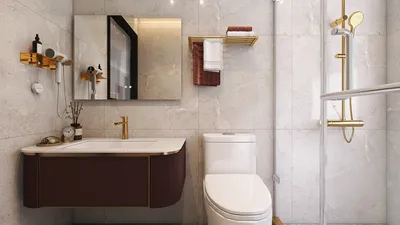


I once undertook a project to paint a client’s small galley kitchen in the “moodiest grey” they found on Pinterest. Midway through the job, I realized that this color absorbed all the morning light, making even the espresso machine appear like a black void. This experience taught me that grey can either elevate a space or trap it in gloom, particularly in smaller homes. To reassure my client, I created visual solutions by using 3D renderings with Homestyler, which successfully salvaged the project.
1. Warm Greige for Cozy Corners
When seeking warmth without going for a full tan, my preferred choice is greige (a blend of grey and beige). This shade softens shadows, complements wood elements, and gives small rooms a cozy aura instead of a cold one. However, it can appear more beige depending on the lighting, so it’s essential to test swatches at various times throughout the day.
save pin
2. Cool Stone Grey for Modern Minimalism
Cool stone greys create a sleek and contemporary backdrop that emphasizes metal fixtures and sharp lines, making them ideal for minimalist kitchens or bathrooms. While they pair well with white trim, they may feel stark, so it’s advisable to introduce textured textiles or warm wood to prevent a clinical atmosphere.
save pin
3. Soft Dove for Bedrooms and Nooks
Dove grey is soft and forgiving, which is why I recommend it for bedrooms and cozy reading nooks. This shade gently reflects light and works beautifully with layered lighting and pastel accents. If you're looking to experiment with room layouts, this neutral foundation allows for varied furniture arrangements without much fuss, making it perfect for quick kitchen layout inspiration with tools like Homestyler.
save pin
4. Deep Charcoal as an Accent
Deep charcoal can be an excellent choice for accent walls or cabinetry, introducing drama without overwhelming the entire space. It provides a grounding effect that can make brass fixtures stand out. The key is to ensure ample lighting or reflective surfaces; otherwise, the accent may get lost in a heavy dark mass.
save pin
5. Two-Tone Grey and Wood Combo
Implementing a two-tone scheme, with a lighter grey on top and a darker grey below, is a fantastic strategy for small rooms. This approach visually reduces clutter while emphasizing horizontal lines. Incorporating natural wood will warm up the palette, yielding a balanced and inviting look. Recently, I’ve been using AI interior design tools, like Homestyler, to quickly experiment with such combinations, aiding clients in making budget-friendly decisions.
save pin
Practical Tips from My Projects
Always start by testing paint samples on multiple walls, checking them under both morning and evening light. It’s also wise to consider the LRV (Light Reflectance Value) as a reference: higher LRV means more light reflection. For those on a limited budget, begin with lower-cost paint for larger areas, and use higher-quality paint for trims where durability is essential.
save pin
FAQ
1. What grey paint is best for small rooms?
For smaller spaces, I recommend using a light greige or dove grey, as they reflect more light and foster a warm atmosphere, making the area feel larger and cozier.
2. How do I choose between warm and cool grey?
Consider the lighting and furnishings of the room: warm greys harmonize with wood and warm metals, while cool greys are better suited for contemporary minimalist designs. Always test swatches at various times before finalizing decisions.
3. Can grey make a space look smaller?
Yes, deep, flat greys lacking contrast can indeed diminish the perception of space. To counteract this, opt for lighter greys, add reflective elements, or restrict darker tones to accent walls.
4. How many coats of paint do greys need?
Typically, most greys require two coats for even coverage, while deeper greys or bold accents might need a primer or an additional coat to achieve full opacity.
5. Are grey walls easy to match with furniture?
Indeed, grey is a versatile color that pairs well with most color schemes. The trick is to test swatches alongside your main furniture to ensure everything works harmoniously together.
6. What is LRV and why does it matter?
LRV, or Light Reflectance Value, determines how much light a paint color reflects. A higher LRV indicates that the color will bounce back more light, effectively brightening the room. For detailed LRV insights, brands like Benjamin Moore offer extensive charts and definitions in their resources.
7. Which finishes are recommended for kitchens and bathrooms?
For kitchens and bathrooms, it’s advisable to use semi-gloss or satin finishes, as they are moisture-resistant and easy to clean. While matte finishes look stunning on living room walls, they may present maintenance challenges in high-traffic areas.
8. How do I test paint in my home?
Purchase small sample cans and paint patches of around 2–3 square feet on various walls. Observe these patches under different lighting conditions—morning, midday, and evening—over several days to notice any color shifts before making a full purchase.
save pin
Homestyler is your go-to online home design platform! With its user-friendly design tool, stunning 3D rendering, and a wealth of inspiring design projects and video tutorials, you can effortlessly create your dream space. Transform your ideas into reality with ease and creativity!
Design Now for FREE
































