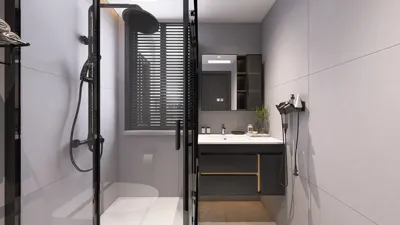


I once worked with a client who was adamant that their compact living space should be painted in a 'power gray', only to feel disheartened when it turned out to feel quite cave-like. A few simple adjustments to the undertone and a visual mockup later, the room transformed from a dungeon-like setting to an enchanting haven over a weekend. If you have reservations about using gray, you're in good company; this color can evoke either a moody or magical atmosphere based on its lighting and complementary elements. To alleviate any uncertainty, I often utilize interactive room mockups using Homestyler to experiment with undertones before committing to paint purchases.
1. Soft Greige for Warmth and Versatility
Starting clients off with a soft greige is something I often recommend—the warm undercurrents of this tone create a cozy feel instead of a cold one. It's especially effective in north-facing rooms where pure gray has a tendency to appear blue and flat. The good news is that greige harmonizes beautifully with wooden floors and warm metallic features; however, in dim lighting, it can sometimes read as beige. Therefore, I advise bringing home large samples and observing them at various times throughout the day.
2. Pale Cool Gray to Make Small Rooms Breathe
In petite living rooms, a pale cool gray can create the illusion of spaciousness while avoiding a stark ambiance. For instance, I managed to brighten a 280-square-foot apartment by replacing heavy wallpaper with a whisper-gray across all walls and slightly brighter trims. It's a modern and forgiving choice; however, cool grays can reveal blue undertones under LED lighting, so selecting paint with a neutral-to-cool base is key if you want a crisp look without it feeling too chilly.
3. Blue-Gray Accents for Calm, Layered Depth
I often opt for blue-grays when clients aim to achieve a serene, coastal-inspired aesthetic without leaning into nautical clichés. By including a blue-gray accent wall behind the sofa and layering in textured fabrics, you can avoid a flat appearance, thus adding interest without overwhelming the space. When it's crucial to provide realistic visualizations to my clients, I rely on Homestyler to create photorealistic 3D renderings, showcasing how natural light interacts with the chosen hues.
4. Deep Charcoal as a Sophisticated Backdrop
When used judiciously, charcoal can make artwork and metallic elements truly stand out. In a compact loft, I used deep charcoal on a fireplace wall, creating a focal point while cleverly maintaining spatial perception by incorporating reflective accents and thoughtful lighting. Keep in mind that dark grays require superior lighting and might attract dust, so it's essential to plan for layered illumination and select finishes that are easy to clean.
5. High-Contrast Light Gray with White Trim for a Crisp Look
For a clean and modern aesthetic, consider pairing light gray walls with bright white trim and ceilings. This high contrast keeps the space feeling fresh while accentuating architectural details. For open-plan designs, thoughtful planning is critical—sometimes initiating quick kitchen layout sketches with tools like Homestyler can prevent mismatched tones between living and adjoining areas.
FAQ
Q: Which gray is best for small living rooms?
I suggest using a pale neutral-gray with a hint of warmth (greige), as it reflects light and appears softer compared to cooler grays. Always test sizeable swatches on different walls to observe their impact under varying daylight conditions.
Q: How do I avoid gray looking too cold?
Incorporate warm materials such as wood, brass, or cozy textiles, and opt for grays that have subtle warm undertones. Utilizing light bulbs with a warmer color temperature (between 2700K–3000K) can be immensely beneficial.
Q: Should I paint ceilings gray too?
Generally, I recommend leaving ceilings white or very light gray to maintain a sense of height. While a slightly darker ceiling can work well in rooms with tall ceilings for a cozy effect, it can be risky in spaces with lower ceilings.
Q: How many paint samples should I try?
It’s advisable to try at least three sizable samples: the first option you instinctively prefer plus two nearby alternatives. Test them on different walls and observe them in both morning and evening lighting before making your final decision.
Q: Can gray work with bold colors?
Absolutely! Gray serves as an excellent backdrop for vibrant colors such as terracotta, mustard, or teal. You can introduce these hues through cushions, art pieces, or a singular upholstered item for a striking contrast.
Q: Are certain finishes better for living rooms?
Eggshell or satin finishes are my preferred choices for living rooms; they strike a balance between durability and a subtle sheen, without emphasizing any wall imperfections.
Q: How do I pick a gray that matches my flooring?
To find the right gray that complements your flooring, take a photograph of your floor and compare paint swatches next to it, or bring a swatch into the room for reference. Warm grays work well with natural wood, while cool grays pair nicely with concrete or gray-toned tiles.
Q: Where can I find professional color standards or guidance?
For professional standards and discussions on undertones, companies like Sherwin-Williams offer an abundance of resources and color swatches to assist you in your choices (Source: Sherwin-Williams, https://www.sherwin-williams.com).
Discover the ease of home design with Homestyler! This intuitive platform offers an online design tool, stunning 3D renderings, a wealth of design projects, and helpful DIY video tutorials. Perfect for anyone looking to transform their living space effortlessly!
立即免费设计
































