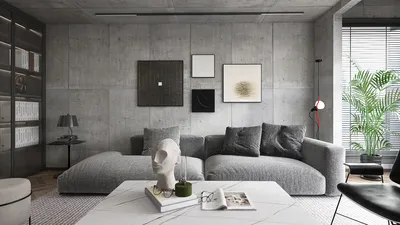


I've discovered that selecting the perfect extendable table can transform a compact studio or one-bedroom apartment into a versatile and social living space. The aim isn’t merely to fit in more seating; rather, it’s about creating an adaptable surface that caters to everyday activities, gatherings, and work while keeping the area feeling spacious. An ideally chosen table, equipped with an intelligent extension mechanism, sufficient ergonomic space, and well-proportioned dimensions, can make small areas appear organized rather than congested.
The dimensions and clearances are essential considerations. Research by Steelcase highlights that versatile, multi-functional surfaces enhance perceived control and satisfaction in smaller spaces. Meanwhile, guidance from Herman Miller on ergonomic space suggests maintaining 24–30 inches of knee clearance and aiming for 36 inches of movement space around the table for effortless mobility. In my designs, a table height of 28–30 inches ensures ergonomic comfort for both dining and laptop work, with leaf extensions adding 12–20 inches to comfortably fit two additional guests without overcrowding.
The use of color and lighting can significantly enhance the ambiance. According to VerywellMind, lighter shades can create a perception of spaciousness and decrease visual clutter; I frequently combine light oak or ash with soft neutral tones to keep extension leaves visually subdued. The WELL v2 standard emphasizes the importance of glare control and even lighting to minimize eye fatigue; opting for matte finishes for the tabletop and correctly positioning light fixtures can prevent harsh reflections when the table is extended.
Essential Factors in Selecting an Extendable Table
Begin with the foundational shape. A pedestal base allows for more legroom and accommodates variable seating, while a four-post design provides stability, albeit necessitating mindful chair placement. For compact dining spaces, I typically prefer rounded or softly rectangular tops, which smooth sharp corners and enhance circulation feel. Ensure the closed size remains between 30–36 inches wide, extending to 48–64 inches for hosting. The functional mechanisms are crucial: butterfly leaves are fast and discreet; drop leaves cater to very tight areas; slide-and-store designs, while expensive, offer a clean look.
Designing Layouts in Limited Spaces
In confined living-dining areas, the table should serve as a central pivot point. Align it with the longest part of the room and maintain a minimum 36-inch pathway behind the main seating area. Position the table 6–10 inches from the wall to create a purposeful arrangement; keep it parallel during routine use and rotate it to perpendicular during gatherings. If you’re exploring options, utilizing a layout simulation tool like Homestyler can aid in visualizing the space, ensuring clear pathways and optimal chair movement before making a purchase.
Ergonomics: Ensuring Comfort During Meals and Remote Work
I aim for a 10–12 inch height difference between the seat and the table for ergonomic ease, ensuring chair arms remain below the tabletop for easy stowing. For dual usage, pair the table with a chair providing lumbar support, maintaining a seat height of 17–19 inches. Adequate task lighting should reach 300–500 lux on the tabletop, with a warm temperature of 2700–3000 K for dining; if the table doubles for focused work, increase the lighting to 3500–4000 K, employing glare-controlled shades to maintain visibility.
Choosing Materials and Finishes
In small environments, consistent finishes help alleviate visual disarray. Use a uniform wood type and subtly vary textures—like a matte surface with satin-finished legs. For a modern look, consider thin-profile engineered wood or compact laminate, which offers durability without bulk. Softened edges help avoid injuries in narrow spaces. For families, opt for finishes that withstand wear and are easy to maintain, while those renting might prefer lighter tables that can be easily relocated or reconfigured.
Spatial Proportions and Visual Harmony
I design with a 60/40 principle: ensuring 60% of the area remains open and 40% anchored by heavier furniture. An extendable table should contribute to the lighter 40% when retracted. Balance proportions by choosing slim legs and unobtrusive apron depths; for nearby storage, opt for low credenzas to keep sightlines clear. Choose minimalistic centerpieces—such as nesting trays or a single bowl—that can be quickly relocated when the table expands.
Managing Lighting and Acoustic Comfort
Install a dimmable pendant directly above the table’s extended position, utilizing a discreet offset canopy or adjustable stem to maintain visual alignment when it’s closed. Refrain from glossy shades that could create glare on dishes or screens. For acoustics, incorporate soft window treatments and a rug underneath the table to muffle sounds from dishware, facilitating comfortable conversation. In open living spaces, consider a fabric screen or mixed-material bookcase to reduce echoes while allowing light transmission.
Understanding Behavior Patterns and Hosting Dynamics
Reflect on routines: quick breakfasts during weekdays, evening work sessions with a laptop, and extended weekend dinners. Develop a storage approach for leaves—such as integrated compartments or nearby closets—to ensure swift conversion between uses. Consider chairs that stack or tuck away neatly; storing two spare folding chairs vertically behind a door can increase capacity without consuming precious floor space.
Emerging Trends for Small-Space Tables in 2024–2025
Two prevailing trends are coming to the forefront: sophisticated mechanisms and warm minimalism. Slim metal runners equipped with soft-close features make extensions seamless. Favored finishes include pale woods, soft greens, and caramel tones that contribute to a calming atmosphere in compact rooms. Mixed-material tops—featuring stone-like ceramics with wooden edges—merge durability with a gentle aesthetic. In micro-apartments, wall-mounted drop-leaf tables paired with slender pedestal islands are becoming increasingly popular for hybrid living environments.
Insights and Tips from Recent Projects
In a 420-square-foot studio, I integrated a 34-inch round pedestal table that expands to 54 inches with a butterfly leaf, ensuring comfortable daily movement while accommodating four guests during gatherings. In a narrow galley living area, a 30×40 drop-leaf table against the wall functioned effectively as a desk; flipping both wings added 20 inches more to either side for dining. A crucial element was pre-measuring chair movement and confirming a 36-inch pathway to the kitchen.
Purchasing Guide: Key Measurements to Take Before Buying
- Measure room length and width, discounting fixed elements (like radiators and doors).
- Decide on desired daily seating (2–3) and maximum capacity for hosting (4–6).
- Plan circulation routes: target 36 inches; never less than 30 in tight situations.
- Confirm mechanism clearance: assure no pinching of hands or fingers; test the slide action.
- Evaluate leaf storage options: built-in versus separate; measure closet door widths for fit.
- Determine the centerline for lighting: ensure pendant alignment for both closed and extended positions.
Ensuring Maintenance and Longevity
Keep mechanical components free of dust and lightly lubricated according to manufacturer instructions. Avoid overloading extended leaves; while most are rated for standard dining weight, they may not support heavy appliances. Use heat-resistant pads to prevent finish damage. For tables that double as a workspace, consider using a removable protective mat to keep surfaces in good condition.
Frequently Asked Questions
Q1: What clearance space is necessary around an extendable table?
A: Aim for 36 inches to facilitate comfortable movement and chair use; in very constrained spaces, a minimum of 30 inches is acceptable for occasional access, aligning with standard ergonomic recommendations for movement corridors.
Q2: What table height is best for both dining and laptop use?
A: A table height of 28–30 inches ensures a neutral wrist position for typing and provides a comfortable elbow angle for dining when paired with seat heights of 17–19 inches.
Q3: Which mechanism is ideal for small apartments?
A: Butterfly extensions are quick and store inside the table, making them perfect for studios. Drop leaves conserve floor space by staying narrow against a wall and only expanding when needed.
Q4: What table shape enhances the spacious feel in a compact area?
A: Round or softly rectangular tables reduce visual strain and corner conflicts, improving circulation while still comfortably seating four when extended.
Q5: How should I illuminate an extendable table?
A: Use a dimmable pendant centrally placed for the extended table, and add a task lamp for focused activities. Maintain tabletop lighting around 300–500 lux; warm lighting at 2700–3000 K for dining, and 3500–4000 K for dedicated work.
Q6: Do lighter finishes genuinely enhance the perception of space?
A: Yes—lighter woods and matte surfaces reduce visual intensity. Studies on color psychology demonstrate that lighter tones enhance perceived spaciousness and tranquility, making compact settings feel more open.
Q7: What is the minimum closed size suitable for daily activities?
A: In most one-bedroom or studio configurations, a closed footprint of 30–36 inches wide provides support for two to three daily seats without dominating space.
Q8: Can I utilize an extendable table as my primary workspace?
A: Indeed—opt for a stable mechanism, keep a 10–12-inch gap between the seat and table, and incorporate glare-controlled lighting. Use a protective mat if you are using monitors or equipment to prevent surface damage.
Q9: How do I effectively manage acoustics in an open-plan space?
A: Layer a rug beneath the table, incorporate soft window coverings, and consider using a fabric screen or bookcase to lessen echo and noise from dishware.
Q10: What is the best way to store detached table leaves safely?
A: Store them upright in a closet with felt liners to prevent warping and scratches; keep them away from humid areas.
Q11: Are pedestal tables sufficiently stable when extended?
A: Quality pedestal designs featuring wide bases and appropriate hardware can support typical dining activities. For those who routinely host six people, check for stability prior to purchase, avoiding very narrow bases.
Q12: How can I minimize glare on the tabletop?
A: Choose matte or low-sheen finishes, and utilize shades that shield bulbs from direct sightlines. Position the pendant to avoid direct reflections, particularly on shinier surfaces.



Looking to transform your space? Homestyler offers a fantastic online design tool perfect for all skill levels. Dive into stunning 3D renderings, explore inspiring design projects, and access helpful DIY video tutorials. Bring your dream home to life effortlessly with Homestyler!
Projete agora para LIVRE
































