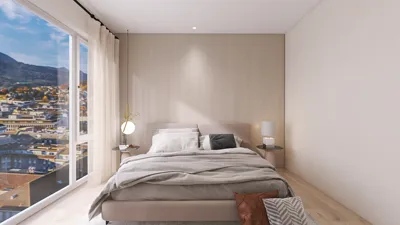


Contemporary living rooms serve as versatile hubs, with ceiling or portable fans emerging as essential elements—enhancing airflow, sound quality, illumination, and the overall visual experience. When selecting fans, I prioritize those that align with architectural designs, enhance comfort throughout the year, and contribute to energy efficiency without detracting from the intended aesthetic of the space. Incorporating tools like Homestyler can assist in visualizing this integration effectively.
Research indicates that effective air movement significantly impacts perceived comfort levels. According to the WELL v2 Thermal Comfort framework, optimal airspeed can widen the range of comfortable temperatures, thereby decreasing the need for mechanical cooling solutions. Additionally, studies from Steelcase link thermal comfort to improved focus and job performance, revealing that dissatisfaction with temperature can impair cognitive functioning. By incorporating well-chosen fans, you can achieve better comfort levels while alleviating the strain on HVAC systems. For more details on performance metrics and standards, visit WELL’s official site and explore acoustic considerations in IFMA’s resources.
Design Considerations: Merging Aesthetics with Functionality
When designing living rooms, three main factors are essential: appropriate scale in relation to the room size, minimized noise levels, and harmony in material choices. Achieving the right scale is crucial; the fan blade’s width should provide a visual anchor without dominating the space. For areas measuring between 180 to 250 square feet, a blade span of 48 to 56 inches typically ensures adequate airflow; larger open layouts may require fans of 60 inches or a combination of fans strategically positioned over seating and traffic areas. The materials used also play a pivotal role: matte finishes can help reduce glare, while warm-toned woods add a tactile softness, contrasting beautifully against minimalist styles, and anodized aluminum contributes a clean, contemporary look.
Airflow Dynamics, Blade Design, and Comfort Temperature
The angle of the blades combined with motor strength determines the actual airflow (CFM), rather than just the fan's size. I recommend a blade pitch between 12° and 15° for living areas; paired with an efficient DC motor, this configuration usually yields strong yet controlled air circulation. To generate a cooling breeze in summer, set the fan to rotate forward; whereas in winter, simply reverse its rotation at a low speed to gently blend warmer air without drafts. This technique not only enhances comfort at the seating level but can also allow for a slight reduction in thermostat settings, especially with effective building envelope performance.
Silence and Acoustic Harmony in Design
Sound levels are often an underestimated aspect of design. Fans should blend seamlessly into the acoustic environment, ideally utilizing DC motors with low sone ratings at mid-speed, and avoiding sharp blade designs that produce noise at high RPMs. Night mode settings are advantageous in open-concept living rooms adjacent to sleeping areas. Consider the entire acoustic landscape—soft rugs, cushioned furniture, and walls that absorb sound will allow fans to coexist quietly within the soundscape, mitigating any hard-surface echoes that could exaggerate mechanical sounds.
Illumination Integration: Managing Color Temperature and Glare
Numerous modern fan models come equipped with LED lights; when designed thoughtfully, they can replace a central light fixture and streamline ceiling layouts. For living rooms, I suggest using luminaires with a color rendering index (CRI) above 90 and a selectable color temperature ranging from 2700K to 3000K; warmer hues foster a relaxing atmosphere in the evenings and enhance the appearance of wood, fabrics, and skin tones. Opt for diffusers that minimize glare from high angles and consider dim-to-warm features for varied lighting scenarios. The Illuminating Engineering Society (IES) provides valuable guidelines for ambient lighting—steer clear of excessive brightness; fans equipped with integrated lighting should complement a layered lighting strategy involving floor lamps and sconces for optimal visual comfort.
Control Mechanisms: Zones, Areas, and Sensors
Pair fans with user-friendly controls. Basic wall-mounted speed switches are effective; smart technologies offer scheduling, temperature-based activation, and adaptive speed adjustments depending on room conditions. In larger living rooms, establishing zones is key—position one fan above the primary seating area and another over the dining or media space, each with distinct settings. Smart dimming options linked to the integrated lighting system ensure that the fan does not overshadow the visual design when strong illumination isn't needed.
Strategic Placement: Clearance and Visual Cohesion
Position fans where they support intended activities. Situate them above the main gathering spaces, ideally aligned with the coffee table or social seating rather than centering solely on the room's geometric middle. Maintain a clearance of at least 7 feet from floor to blade tip; 8 to 9 feet is preferable for a spacious, airy sensation. In areas with low ceilings, select flush-mounted designs with shallow profiles and either short-pitch blades or bladeless options. If you need to experiment with different furniture layouts, utilizing a room design tool like Homestyler can effectively help visualize fan placements in relation to seating and circulation areas.
Design Styles: Minimalism, Mid-Century, and Artistic
- **Minimal**: Features such as ultra-slim blades, hidden fasteners, and monochromatic finishes allow fans to seamlessly integrate into sleek ceilings, perfect for contemporary spaces with streamlined aesthetics.
- **Mid-century**: Wood blades with gentle curves, warm metal bases, and understated opal glass (if a light is included). This style pairs beautifully with walnut furnishings and textured fabrics for a cozy ambiance.
- **Artistic**: Unique designs with twisting blades or split-wing structures are excellent as focal points in spacious ceilings that can accommodate distinctive statements without feeling cluttered.
Energy Efficiency and Seasonal Approaches
Today's DC-motor fans consume significantly less energy than older AC models, often using under 30W at mid-speed. During warmer months, a light breeze can allow you to elevate cooling setpoints by about 2°F while remaining comfortable, and in colder months, slow reverse circulation aids in heat distribution. The WELL v2 Thermal Comfort guidelines emphasize the importance of individual control over environmental factors, suggesting that a strategic fan placement can reduce the need for over-conditioning—bringing the comfort of personalized design to your living space.
Safety, Upkeep, and Durability
Seek out fans with durable bearings, well-balanced blades, and certified mounts for safety. Regularly dusting blades can help maintain their finish and airflow efficiency. If the fan includes an LED light, opt for brands featuring replaceable components and clear lumen performance documentation to avoid premature replacements of the entire unit.
The Psychology of Color and Atmosphere
The choice of finish color affects overall perception. Matte black delivers a modern aesthetic that grounds light ceilings. Warm wood tones soften minimalist designs and enhance feelings of welcome. Shades like satin nickel or graphite lend a cool, high-tech impression, suitable for media-rich living rooms. Align the fan's finish with surrounding elements—ceiling paint, architecture, or lighting—to create a cohesive flow rather than allowing it to appear as an isolated piece.
Practical Layout Advice
In open-concept living rooms, I tend to favor utilizing two medium-sized fans for balanced airflow distribution rather than relying on a single large fan, which can lead to uneven airflow near seating areas. If a media wall is incorporated, check for light reflections: glossy blades or overly bright integrated LEDs can reflect onto screens. Utilizing a dimmable warm LED light coupled with matte finishes typically resolves this issue.
Frequently Asked Questions
For spaces between 180 and 250 square feet, fans with a 48 to 56-inch blade span generally offer an ideal balance of coverage and comfort. Larger, open layouts may require 60-inch fans or multiple units segmented over key seating and dining zones.
Absolutely. By boosting airspeed, you can increase cooling setpoints by around 2°F while still feeling comfortable, thereby easing the demand on HVAC systems. Additionally, DC motors consume considerably less energy compared to older AC motors.
A color temperature range of 2700K to 3000K is ideal for living spaces, supported by a CRI of 90+ for accurate color representation. Dim-to-warm technology is great for creating evening moods without excessive glare.
Look for fans with low sone ratings at mid-speeds and those featuring DC motors that ensure blade balance. In acoustically lively areas, introducing soft textures (like rugs and upholstery) can help keep mechanical noise at bay.
Blade pitch and motor strength are critical factors influencing airflow efficiency. Generally, a 12° to 15° pitch coupled with an energy-efficient DC motor tends to produce smoother airflow than merely relying on large blade dimensions with poor pitch.
Definitely. Opt for flush-mounted fan designs that maintain at least 7 feet above the ground. Short downrods paired with shallow enclosures can optimize clearance and visual tranquility.
In vast areas, deploying two smaller fans often results in smoother airflow distribution across different zones, particularly around seating arrangements, while also mitigating drafts.
If a fan replaces a central lighting fixture, an integrated LED is a practical solution. In layered lighting environments, a fan without a light keeps the ceiling design uncluttered while maintaining ambiance through lamp lighting.
Matte black finishes add an architectural sharpness, warm woods project a welcoming vibe, and satin nickel or graphite convey a modern, tech-savvy feel. Ensure the fan’s finish harmonizes with nearby ceiling or lighting elements for a cohesive aesthetic.
Wall-mounted controls are straightforward and reliable; smart-home systems can add scheduling, speed automation, and environmental sensor integration. Establishing zoned controls is particularly beneficial for larger living spaces.
Homestyler is your go-to online home design platform that makes creativity accessible. With an intuitive design tool, stunning 3D renderings, and a wealth of DIY video tutorials, you can easily bring your interior design dreams to life—perfect for any skill level!
تصميم الآن مجانا
































