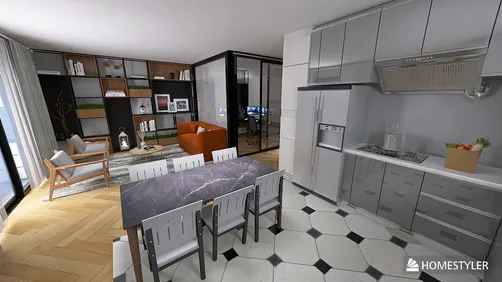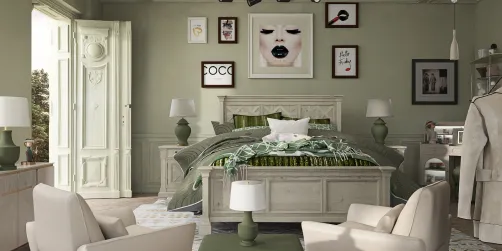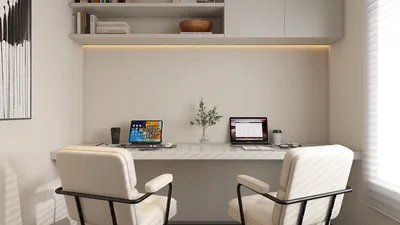



The allure of a bistro table is undeniable—it adds a compact, sociable, and effortlessly chic touch to any residence. Ideal for bright kitchen corners or transforming a balcony into a serene morning haven, the objective is to strike a balance between durable materials, a harmonious footprint, and visually attractive proportions between the table’s top and base, all of which can be easily envisioned with tools like Homestyler.
Understanding scale is essential. The National Kitchen & Bath Association suggests maintaining a clearance of at least 36 inches (91 cm) in residential kitchens, guiding you on the appropriate dimensions for your bistro table to avoid traffic congestion. Ergonomic studies by Herman Miller propose a comfortable table height of 28–30 inches (71–76 cm) for most adults, ideally paired with stools or chairs that have a seat height of 17–19 inches. Remember this ratio when selecting the table's base and top designs. Moreover, color theory from verywellmind supports the idea that warm tones can enhance sociability; consider subtle terracotta or muted mustard to create an inviting dining atmosphere in small spaces.
The right lighting influences the dining experience significantly. IES guidelines for residential dining recommend achieving around 200–300 lux at the tabletop for a relaxed dining ambiance, advocating for warm-white lighting sources in the 2700–3000K range to minimize glare. If overhead wiring isn’t available, pair a small pendant with dimming options or use a portable lamp equipped with a frosted diffuser.
Selecting the Appropriate Size and Proportion
Standard bistro tops typically have a diameter of 24–30 inches (61–76 cm). For compact spaces like balconies and kitchen nooks, a 24-inch top comfortably accommodates two diners while maintaining traffic flow. Round tops foster conversation, while square tops align neatly with walls and can be easily tucked away when not in use. Ensure the base’s visual weight is less than that of the top; consider a pedestal design for minimal leg clutter or a sleek tripod to facilitate smooth chair movement. For layout planning, utilizing a room layout tool, such as Homestyler, allows for efficient visualization of space and circulation that’s essential before making purchases.
Timeless Material Combinations
For tabletops: solid woods like oak, ash, or walnut deliver warmth; high-pressure laminate ensures stain resistance in bustling kitchens; porcelain or stone-effect surfaces offer an elegant look with minimal upkeep. Regarding bases: choose powder-coated steel or cast iron for reliability, and aluminum options work great outdoors, particularly in coastal environments. When using wood outdoors, opt for durable materials like teak or acacia and remember to seal them annually. A slight bevel or roundover on the edges enhances touch comfort, reduces chipping, and contributes to visual refinement.
DIY Build Concepts: Pedestal, Hairpin, and Café Styles
Pedestal option: start with a pre-fabricated metal pedestal featuring a 12–16 inch weighted base and attach a plywood disk to your tabletop using threaded inserts. This design minimizes leg clutter while supporting weight centrally. Hairpin approach: use three hairpin legs measuring 28–29 inches beneath a 24–28 inch round table; reinforce stability with a hidden plywood cross-brace. Café-style: refurbish an antique cast-iron base and resurface the tabletop—sand, stain, and finish it with a durable polyurethane or hardwax oil depending on your desired sheen.
Exploring Finishes, Color Psychology, and Tactile Comfort
In tight areas, the choice of color can greatly affect mood. Soft green shades promote tranquility and equilibrium—a psychological insight that can enhance the morning coffee experience. Timeless warm neutrals like beige and taupe work well, offering versatility with different chair styles. The finish sheen is also crucial; satin surfaces handle smudges better than glossy finishes on darker woods. For added comfort, avoid sharp corners and overly cold materials—consider combining a wooden tabletop with a cool metal base for temperature regulation.
Managing Lighting and Glare
Position a compact pendant light 28–34 inches above the tabletop for a warm, intimate glow; ensure the shade directs light away from seated individuals to avoid glare. A dimmer switch can differentiate the ambiance between daytime brunch and evening dinners. When relying on natural light, opt for roller shades with 3–5% openness to soften harsh contrasts while maintaining brightness. Outdoor settings benefit from lantern-style lamps incorporating diffusers to reduce glare.
Sound Control in Cozy Dining Areas
Hard surfaces can amplify noise in small dining spaces. To mitigate this, introduce a small rug underneath the table, soft fabric seat cushions, or cork underlayment for balcony decks. Adding a fabric runner or textile on the wall adjacent to the table can further dampen sound reflections.
Considerations for Ergonomics and Chair Selection
Ensure a minimum clearance of 24 inches (61 cm) per person around the table for comfortable elbow room. Leave 12–15 inches of knee clearance beneath the tabletop, keeping comfort in mind if stools are used. Footrests should ideally be situated 12 inches below the seat to alleviate leg strain, and chairs with slightly curved backs can encourage longer sitting periods without discomfort.
Outdoor Bistro Tables: Strategies for Weather Resistance
Select materials that withstand UV exposure, such as powder-coated finishes and marine-grade coatings alongside rust-resistant hardware. Drainage is vital; if using stone or composite tops, ensure the underside edges are chamfered to prevent water accumulation. Store cushions and textiles when not in use or choose fabrics that resist fading, such as those made with solution-dyed yarns.
Styling and Efficiency in Small Spaces
Incorporate a slim console or shelving unit as a designated spot for mugs and carafes to maintain a tidy bistro table surface. Use a small plant or candle that doesn’t exceed 6 inches in diameter at the center so you can use the table for serving. Layer different textures—woven placemats, matte ceramic dishes, and brushed metal cutlery—for a curated look without clutter.
How to Construct a Simple Round Tabletop
1) Cut a 24–28 inch diameter disc from 3/4 inch plywood or solid wood. 2) Add a 1x2 inch stiffening ring beneath if using plywood. 3) Sand surfaces up to 220 grit for smoothness. 4) Seal with waterborne polyurethane (applying two to three coats), de-nibbing between coats. 5) Secure threaded inserts for a solid mechanical connection to the base. 6) Use adjustable glides under the base to ensure stability on uneven flooring.
Affordable Upcycling Ideas
Revitalize an existing table by applying contact cement and laminate to an older top, trimming it with a router for a flush finish; repaint a metal base using rust-proof primer and satin enamel. Exchange plastic glides for options made of felt or rubber to enhance stability and reduce noise on floors. Combining a vintage café base with a new wooden top can create elegant Parisian charm at a minimal cost.
Safety and Stability Considerations
Understanding the principles of balance is critical. A pedestal requires a weighted base paired with a top that cannot exceed the base’s dimensions to maintain stability. Test for wobbling by pressing along the rim; if instability occurs, increase the base weight or add bracing. In homes with children, opt for rounded edges and use non-toxic finishes—look for low-VOC products and ensure full curing before use.
Frequently Asked Questions
Q1: What is the ideal size for a two-person bistro table?
A 24–28 inch diameter is ideal for two diners, with 24 inches perfect for tighter spaces and 28 inches providing additional room for plates and glasses.
Q2: What height should the table be?
Aim for a height of 28–30 inches. This corresponds with ergonomic sitting standards established by research from Herman Miller, ensuring sufficient knee clearance with standard seating.
Q3: What are the best materials for an outdoor bistro table?
Choose powder-coated aluminum or steel for the base, with options like teak or compact laminate for the top, along with stainless or galvanized fasteners. Wood should be sealed yearly, and finishes must be UV-resistant.
Q4: How much illumination is necessary above the dining table?
Aim for around 200–300 lux at the table surface with warm-white light (2700–3000K). Utilize dimmers and shades that shield the bulbs to prevent harsh lighting.
Q5: What are the recommended clearances around the table?
Maintain a clearance of 36 inches for pathways where people walk and approximately 24 inches for each individual around the table edge for comfortable seating.
Q6: Is it stable to use hairpin legs on a round tabletop?
Absolutely—using three hairpin legs with a hidden plywood bracing ring will enhance stability. The top should be 24–28 inches, and adjustable glides can compensate for uneven floors.
Q7: Which finish is most stain-resistant for kitchen surfaces?
High-pressure laminate or well-sealed wood with waterborne polyurethane works best. Satin finishes reduce the visibility of fingerprints and minor scratches compared to glossy options.
Q8: How can I minimize noise in a compact dining area?
Introduce a small rug, use felt chair pads, and incorporate soft accessories like a textile runner or wall hanging. These elements help absorb sound and soften clinking of dishes.
Q9: Which color schemes are best for making a small space feel inviting?
Warm neutrals, soft greens, and muted terracotta shades. Color psychology indicates that warm tones enhance sociability, while greens foster a calming atmosphere.
Q10: How can I efficiently plan my space before construction?
Make use of an interior layout planner to visualize chair positions and circulation paths. Such a planning tool can assist in testing table size as well as base footprint before you commence cutting materials, including tools like Homestyler.
Built on technology originally developed at Autodesk, Homestyler empowers anyone to design beautiful, realistic spaces in minutes. Join over 20+ million registered users (platform data, 2026) who have already discovered a smarter way to plan, visualize, and bring their dream homes to life — all from the comfort of a browser.
Homestyler is your go-to online home design platform! With its user-friendly design tool, stunning 3D renderings, and a wealth of DIY video tutorials, transforming your space has never been easier. Discover endless design possibilities and unleash your creativity today!
Concevez maintenant gratuitement





















![[For dear Adelina madee 🤎]](https://hs-designs.homestyler.com/production/design/images/8a07e535-9cbc-4132-a42a-5932dac3a112/1706972286037.jpg?x-oss-process=image/resize,w_502,m_mfit/format,webp)