

When searching for the perfect birthday party venue in Coimbatore, it’s essential to consider more than just the location and size of the hall. Key factors include the lighting, acoustics, ease of movement throughout the space, and how the venue accommodates diverse age groups during celebrations. According to WELL v2 guidelines, it is recommended to use ambient lighting that promotes circadian health, with an emphasis on minimizing glare and incorporating tunable lights. Venues with adjustable, warm-to-neutral lighting (2700K–3500K) create a relaxing atmosphere for guests while enhancing the overall décor and photography. Research from Steelcase indicates that environments attuned to human needs—including comfort, choice, and interaction—can significantly boost engagement and satisfaction at social events, just like in workplace settings, where these elements are equally vital.
Although capacity is often the primary consideration, the density of guests significantly impacts their experience. Research from Herman Miller highlights the crucial nature of human factors in venue design; clear sight lines and intuitive navigation can alleviate stress and enhance social interactions. For a banquet setup, aim for about 10–12 square feet per guest; in contrast, a cocktail setup can work with around 8–10 square feet, provided that service areas are efficiently staged and circulation paths remain accessible. Acoustics also play a vital role: strive for reverberation times of approximately 0.8 to 1.0 seconds in medium-sized halls to ensure that speeches are audible and music remains enjoyable without causing fatigue. For more information on optimizing light and acoustic conditions, consult the WELL v2 standards.
When narrowing down your choices for halls, it’s crucial to consider the convenience of the location (such as neighborhoods like Race Course, RS Puram, Avinashi Road, and Saibaba Colony) along with transit options. However, focus on five key elements: acoustic quality, lighting adaptability, ceiling height, collaboration with caterers, and the responsiveness of on-site management. Additionally, assess the surrounding areas for features such as photobooths, children's activities, and service staging to avoid crowding. If your event will include thematic decorations or specialized lighting, ensure that the venue has sufficient rigging points and dedicated circuits; I’ve witnessed some excellent concepts falter due to insufficient power supply.
Essential Factors for Selecting a Birthday Venue
• Capacity and layout: Confirm the difference between seated versus floating capacity. For a birthday celebration of approximately 150 guests, which includes a stage and buffet, aim for a clear area of around 1,800 to 2,000 square feet to maintain a comfortable environment with adequate movement.
• Lighting: Utilize warm ambient lighting (2700K–3000K) complemented by accent layers for moments such as cake-cutting and photo opportunities. The Illuminating Engineering Society (IES) recommends task lighting in areas requiring clarity; strive for around 200–300 lux for general dining and 300–500 lux for focused cake/table areas, with adjustments for mood according to IES standards.
• Acoustics: Incorporate soft materials such as fabric and carpet runners to mitigate echo; portable acoustic screens placed near the DJ can help minimize sound spillover into dining areas.
• HVAC and ventilation: Ensure comfort by keeping temperatures between 22 and 24°C with sufficient air exchanges, especially necessary for high-traffic events.
• Accessibility: Ensure easy access with step-free entry, proximate restrooms, and clearly marked pathways for seniors and children.
Effective Layout Strategies for Optimal Flow
Understanding guest behavior can help in planning the layout: individuals tend to gather near entrances, buffets, and photo areas. I typically position the bar across from the main entrance to encourage guests to move inward, arrange the buffet in a side area with a return route, and place the stage against a short wall to maximize visibility. For events with mixed-age attendees, create a separate activity space for children with soft flooring and acoustic separation, allowing parents to engage in socializing. To visualize different setups or experiment with seating arrangements prior to booking, consider using a layout simulation tool like Homestyler to help iterate on parameters such as stage positioning, dining sections, and decorative views.
Exploring Lighting and Color Psychology for Birthday Atmosphere
The color temperature influences the ambiance: a 2700K setting evokes a cozy and festive vibe, while 3000K to 3500K ensures that colors remain vivid for photography without being too sterile. Insights on color psychology from Verywell Mind indicate that warm tones (such as reds and oranges) invigorate social spaces, whereas cooler tones (like blues and greens) establish calm areas, making them suitable for children's play zones or seating areas. Incorporating layered lighting—ambient, accent, and decorative string lights—adds depth to the atmosphere. To reduce glare, use diffuse uplights and maintain spotlight angles below approximately 30 degrees to prevent harsh shadows on faces during memorable moments like cake cutting.
Planning for Acoustic Comfort and Music Management
Quality sound is as vital as the catering experience. Position speakers towards dance areas and avoid hard, parallel walls that can create echo effects. Carpet runners and fabric draping behind stages can minimize undesirable reverberation. Aim for an average sound pressure level (SPL) of 75 to 85 dB in dancing zones, while keeping dining areas around 60 to 65 dB to ensure comfortable conversations. Conduct microphone checks before guests arrive, and I often prefer using two wireless microphones to facilitate smooth transitions during activities and toasts.
Catering, Service Optimization, and Timelines
Coordinate with caterers regarding heating options, plating stations, and trash logistics. Maintaining a buffer of 20–25% in the count of service staff aids in expediting service during peak times. Stagger food service delivery: starters can be served first, with the buffet opening approximately 30 minutes later, followed by the cake cut at the 60 to 75-minute mark, and the dance program commencing afterward. For interactive food stations like dosa or chaat, ensure they are conveniently placed near power sources and exhaust areas while keeping a clear service lane of 6 to 8 feet.
Sustainability in Décor, Materials, and Design Choices
Favor reusable fabric backdrops, energy-efficient LED lighting, and locally sourced floral arrangements. Material choice should prioritize sustainability—avoid using single-use PVC banners; fabric frames and modular arches serve beautifully across varying themes. Maintain a consistent color palette: employ two primary colors, one metallic accent, and diverse textures with linens, velvets, or cane details for added warmth. Whenever a venue permits, opt for low-VOC materials in decoration and ensure cleanup plans are in place to reduce waste.
Coimbatore Neighborhood Insights: Ideal Venues to Explore
• Race Course & Avinashi Road: Spacious banquet halls featuring parking and accommodation options, suitable for gatherings of 200–400 guests.
• RS Puram: Charming boutique venues with elegant interiors, perfect for 80–150 guest parties and themed events.
• Saibaba Colony & Peelamedu: A selection of balanced venues with good connectivity and moderate capacities.
• Perur & Vadavalli: Picturesque venues fit for outdoor gatherings, weather permitting.
Budget Planning and Identifying Hidden Expenses
Consider expenses such as venue rental, equipment, staging, AV needs, decorations, catering, staffing, and photography. Don’t overlook hidden costs like corkage fees, overtime, extra cleaning services, and rigging charges. It's advisable to set aside 10 to 15% of your budget to accommodate last-minute increases in guest numbers or adjustments to décor requirements.
Booking Timeline and Vendor Coordination Checklist
• Schedule bookings for the venue 6 to 10 weeks in advance for weekend slots; consider 12 weeks for peak period events.
• Validate AV specifications, power requirements, and ceiling heights.
• Ensure your décor plans align with venue rules (e.g., tape usage, hooks, and flammable material policies).
• Finalize the catering menu at least two weeks prior; arranging for a tasting is recommended if possible.
• Develop a floor layout and seating plan; utilize interior design tools like Homestyler for refining the plan based on the finalized guest count.
Frequently Asked Questions
Q1: What should be the target capacity for a birthday celebration with 100 guests?
A1: For seated dining with a stage and buffet, aim for approximately 1,200 to 1,400 square feet of clear space. If you anticipate increased movement or activities, consider adding an additional 10 to 15%.
Q2: What lighting conditions are optimal for cake-cutting images?
A2: Set ambient lighting levels to around 200 to 300 lux, enhancing with accent spots at 300 to 500 lux and using warm 2700K to 3000K lights to highlight skin tones; refer to IES guidance for task lighting ranges.
Q3: How can I minimize echo in a hall with hard surfaces?
A3: Use soft furnishings like carpet runners, textile backdrops, and arrange seating clusters with fabric to absorb sound. Ensure speakers are positioned away from parallel walls and consider incorporating tall decorative elements to interrupt reflections.
Q4: Is RS Puram suitable for small gatherings?
A4: Absolutely. Numerous boutique venues in that area are ideal for events hosting 80 to 150 guests, offering well-appointed interiors and easier parking compared to more congested central locations.
Q5: What buffet arrangement effectively prevents congestion?
A5: Place the buffet in a side area allowing for two-sided service and a return route that leads back to the dining sections. Ensure service aisles of 6 to 8 feet free from obstacles and position dessert options separately to reduce clutter.
Q6: How can I accommodate seniors and children in my plan?
A6: Provide step-free access, nearby restrooms, and a calm seating area. Designate a children’s activity space with soft flooring and acoustic buffers from the main sound sources.
Q7: What is the appropriate time frame to book during peak seasons?
A7: Aim to book at least 12 weeks in advance for weekend evenings. Selecting midweek dates can yield better rates and availability.
Q8: Do outdoor lawn extensions work well in Coimbatore?
A8: Yes, particularly in Perur and Vadavalli; however, it’s crucial to plan for shade, insect management, and power setup. Prepare for weather variations with provisions for tenting and alternative layouts.
Q9: How much of my budget should be allocated for AV requirements?
A9: For a medium-sized gathering, reserve 8 to 12% of the total budget for sound, microphones, and lighting. If you seek dynamic stage lighting, consider increasing this by another 3 to 5%.
Q10: Can I preview my seating plan prior to confirming the booking?
A10: Certainly! Utilize a room design visualization tool to experiment with stage arrangements, table layouts, and movement flow; Homestyler's room layout tool is especially effective for quick assessments.
Q11: Do you have any recommendations for color themes that photograph well?
A11: Opt for two main colors paired with a metallic accent for visual appeal. Warm lighting at 2700K to 3000K enhances skin tones and brings out shades like reds, pinks, and golds while eliminating color distortions.
Q12: What acoustic levels are comfortable during dining?
A12: Maintain music volumes around 60 to 65 dB in dining areas to facilitate easy conversation. Reserve higher sound levels for dance segments and time-specific activities.
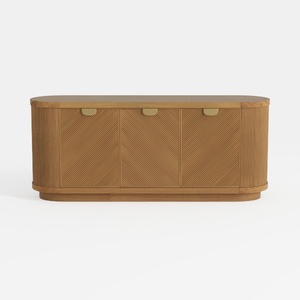
Modern Minimalist Solid Wood Fluted Sideboard with Brass Accents 3D Model

Minimalist Boucle Fabric Tufted Sofa 3D Model
Homestyler is your go-to online home design platform! With its user-friendly design tool and stunning 3D renderings, you can effortlessly visualize your ideas. Explore inspiring design projects and watch DIY video tutorials to create the perfect space—no experience needed!
Desain sekarang Gratis
































