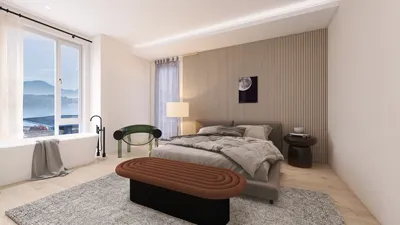


Artificial plants have significantly evolved, and I frequently incorporate them to provide a living room with immediate warmth while minimizing maintenance. The inclusion of greenery resonates with biophilic design principles, which are associated with elevated mood and increased comfort levels. Research from Steelcase indicates that individuals in office environments exposed to natural elements report greater well-being and productivity; similarly, adapting these principles in living spaces can alleviate stress and enhance visual enjoyment. Furthermore, WELL v2 emphasizes the importance of biophilic design and lighting as essential strategies for creating healthier interiors, highlighting the need for balanced lighting and visual ties to nature.
The authenticity of artificial plants plays a critical role. In my designs, I find that lifelike foliage, characterized by realistic veining and matte finishes, performs exceptionally well under typical living room lighting, which often includes a blend of warm ambient light around 2700–3000K. WELL v2 promotes effective glare control and superior lighting quality to foster visual comfort; by matching the finishes of plants to these warmth levels, we can eliminate the unnatural sheen that often betrays an artificial element. For in-depth guidance on biophilic design strategies and promoting occupant well-being, I refer my clients to wellcertified.com.
Selecting the Ideal Artificial Plants for Your Living Room
I focus on scale, texture, and shape. Tall statement plants like faux fiddle leaf figs (ranging from 7 to 9 feet), birds of paradise, or bamboo introduce verticality, visually enhancing rooms with low ceilings by drawing the eye upward. Medium-height plants, such as rubber trees, monsteras, and dracaenas, can effectively anchor corners adjacent to sofas and lounge chairs. For shelves and coffee tables, cascading varieties like pothos or ivy bring movement, while smaller succulents or faux herbs add detail without overwhelming the visual space. Color psychology also plays a part; various shades of green are typically linked to relaxation and balance, while soft neutral planters help to avoid overstimulation and maintain the focus on form. According to Verywell Mind, green hues are frequently associated with calmness and renewal, leading me to prioritize a tonal variety of greens—like sage, olive, and deep forest—over vibrant novelty colors.
Planters, Stands, and Material Choices
The choice of materials affects perceived quality. I enjoy mixing matte ceramics, powder-coated metals, and natural fibers such as jute and sisal to create tactile contrast. A warm gray matte ceramic pot can temper the gloss of synthetic leaves, while textured fiber baskets add softness that balances the rigid lines of media consoles and coffee tables. Sustainability remains vital even for artificial botanicals; selecting recycled polymer foliage, ethically sourced wood stands, and timeless planters can diminish the need for frequent replacements. While arranging your plants, try to adhere to a 60/30/10 ratio: 60% dominant elements (like one tall tree and one substantial medium plant), 30% supporting plants (around two medium or trailing choices), and 10% accents (like small tabletop plants) to establish rhythm and visual hierarchy.
Strategizing Plant Placement and Living Room Layout
Placement of plants should consider traffic patterns, sightlines, and available daylight. Near windows, opt for UV-resistant artificial plants to guard against fading and maintain texture. In dimly lit corners, consider supplementing with a floor lamp that emits a 2700–3000K LED light to retain natural tones on the foliage, avoiding harsh contrasts; the IES advises that balanced ambient lighting helps diminish shadows and reduces visual fatigue. Be mindful not to obstruct pathways; position taller plants alongside furniture or flanking the TV wall to soften technology-heavy focal points. If you're experimenting with arrangements before finalizing, utilizing a room layout tool like Homestyler can help visualize scale and circulation without the hassle of moving cumbersome furniture.
Optimal Lighting Conditions: Color Temperature, Glare, and Highlighting
To ensure that artificial greenery appears authentically natural, I carefully adjust lighting. Warm ambient lighting contributes to a feeling of comfort, while a subtle accent light (ideally with CRI 90+) angled across the leaves generates dimensional shadows reminiscent of daylight. Steer clear of uplighting that creates unflattering glare; instead, opt for side lighting using table lamps or wall washers. The WELL v2 framework highlights glare control and visual comfort; this can be achieved through diffusing shades, dimmable drivers, and layered lighting that mitigates bright spots on shiny faux foliage. For evening settings, gentle luminance ratios are crucial—no single lamp should be excessively brighter than the overall ambient light.
Color Psychology and Cohesive Styling
While green plants provide psychological comfort, the surrounding palette is also essential. In warm-toned environments featuring beige, terracotta, and walnut, I recommend choosing plants with broad matte leaves and warm-toned pots. In cooler, more modern spaces characterized by gray, charcoal, or oak, sleek silhouettes and black or concrete containers reinforce clarity. To balance the precision of faux foliage, softer accents like linen throws and tactile rugs can be beneficial. I often repeat a leaf shape across two or three planters to create a harmonious look, then introduce one trailing plant to break symmetry. Keeping plant accessories minimal helps to maintain uncluttered displays.
Considering Human Factors: Ergonomics, Pathways, and Safety
Artificial plants are particularly advantageous for families and those sensitive to allergens, but ergonomic principles still apply. Ensure bases are stable using weighted inserts, avoid impeding arm reaches around seating, and place taller pieces strategically to prevent accidental bumps when rising. For homes with pets or children, select non-toxic materials and choose rounded edges on planters. In compact living rooms, selecting slender species like bamboo or parlor palms is ideal to maintain comfortable pathways, ideally keeping them around 900-1000mm wide for everyday movement.
Enhancing Acoustic Comfort with Greenery
While genuine plants can subtly diffuse sound, artificial variations contribute visually rather than materially. Nevertheless, the combination of greenery and soft furnishings—heavy draperies, upholstered seating, wool rugs, and acoustic panels—greatly enhances comfort. Position larger plants next to reflective materials (like glass doors or TV units) to scatter high-frequency sounds; complement this with fabric elements for addressing mid- and low-frequency absorption. The goal is to establish a serene sound environment that complements the visual relief provided by plants.
Effortless Maintenance and Longevity
One of the key advantages of artificial plants is their predictability in upkeep. Regularly dust leaves with a microfiber cloth and utilize a soft brush for textured foliage maintenance. Occasionally rotate plants to prevent uneven fading in well-lit areas, and vary arrangements seasonally by changing pots or introducing a new silhouette for added interest. Whenever feasible, choose UV-resistant and flame-retardant products, and store off-season items in breathable covers to avert warping.
Reliable Styling Formulas
- Tall + Medium + Trailing: Position a tall focal plant behind or beside the sofa, a medium plant across the room for equilibrium, and a trailing one on the console or bookshelf.
- Symmetry with Gentle Breaks: Place two similar medium plants flanking a TV unit, augmented with one asymmetrical accent (like a cascading vine) to soften rigidity.
- Textural Variety: Combine a matte planter with a woven basket cover and a ceramic tabletop pot; varying textures will deter a showroom appearance.
- The “Thirds” Rule: Group plants in odd numbers for a more organic rhythm—three plants of varying heights can create effortless elegance.
Budget and Quality Considerations
Invest where it counts: focus on leaf edges, branch articulation, and trunk texture. Silk or high-quality polymer leaves featuring nuanced color gradients tend to look more authentic. If funds are limited, prioritize investing in one standout tall plant and enhance the look with a few smaller, high-quality accents rather than several lower-grade alternatives. Opt for quality planters to enhance even modest foliage—consider simple matte cylinders or footed bowls with clean lines.
Frequently Asked Questions
Q1: Which artificial plants appear most authentic in living rooms?
A: Fiddle leaf figs, birds of paradise, rubber trees, and monsteras with matte leaves and intricate veining can convincingly blend into warm residential lighting.
Q2: What color temperature makes faux greenery look realistic?
A: A warm light range of 2700–3000K is ideal for complementing greenery in living rooms, with a high CRI (90+) ensuring accurate color rendering and gentle shadowing.
Q3: How can I avoid a plastic sheen?
A: Opt for matte or semi-matte foliage, avoid direct harsh lighting, and utilize diffused shades. Side lighting can create dimensional highlights without causing glare.
Q4: How many plants should I use in a medium-sized living room?
A: A balanced mix typically includes one tall statement plant, two medium partners, and one trailing or small accent, tailored to room size and lines of sight.
Q5: Can artificial plants help support well-being, similar to real plants?
A: While they do not purify air, the presence of biophilic elements still promotes perceived comfort. Studies related to workplace environments (such as those by Steelcase) link natural elements to improved well-being, which can translate visually in home settings.
Q6: Where should I situate tall plants?
A: Consider placing them alongside the TV wall, in corners near windows (choosing UV-resistant materials), or next to storage units. Maintain clear pathways of approximately 900–1000mm.
Q7: What planter materials yield the best results?
A: Options like matte ceramic, powder-coated metal, and woven fiber baskets provide tactile contrast and enhance the realism of the foliage.
Q8: What is the best way to care for artificial plants?
A: Regularly dust with a microfiber cloth, spot clean with mild soap when necessary, rotate pieces situated near windows, and store spare items in breathable covers.
Q9: Do artificial plants contribute positively to acoustics?
A: Indirectly. When paired with rugs, draperies, and upholstered furniture, they create a quieter sound environment. Plants placed next to reflective surfaces can help diffuse high-frequency sounds.
Q10: What is the best way to test arrangements before purchasing?
A: Utilize a layout simulation tool like Homestyler to experiment with plant sizes, traffic flow, and lighting positions, refining your placement before committing to heavier planters.




Looking to transform your space? Homestyler is the ultimate online home design platform that empowers you with a user-friendly design tool, stunning 3D renderings, and a wealth of inspiring DIY video tutorials. Unleash your creativity and turn your design dreams into reality!
Дизайн сейчас бесплатно
































