

In designing staircases for micro-apartments, accessory dwelling units (ADUs), and tiny homes, every square inch is crucial. Choosing the right staircase kit can change daily routines from challenging compromises to strategic advantages in small spaces. Besides their aesthetic appeal, these kits provide predictable dimensions, quicker installation processes, and compliant elements that fit snugly into confined areas without creating a sense of congestion.
Optimizing space efficiency yields tangible benefits. According to Steelcase research, even limited footprints can accommodate high-functioning living when pathways are clear and sightlines are open. This highlights how compact stair solutions positively influence the feeling of spaciousness. The WELL v2 standard emphasizes the importance of clear escape routes and safety for occupant well-being, promoting low-risk vertical movement with features like slip-resistant treads, uniform riser heights, and easy-to-grasp handrails that enhance safety and minimize the risk of falls. More details are available at v2.wellcertified.com regarding movement and safety guidelines.
Key Features of an Effective Staircase Kit for Tiny Homes
When dealing with compact spaces, the geometry of stairs and user considerations are essential. I search for kits that have predictable riser heights (typically between 7–8 inches), adequate tread depths (a minimum of 9–10 inches in confined areas), and continuous handrails. Spiral staircase kits optimize floor area, yet open-riser straight stairs often provide increased safety for children and pets. Steel or aluminum stringers offer strength without excessive bulk; meanwhile, wooden treads create a warm appearance while also reducing footfall noise. When layouts become complex, utilizing an interior layout planner can help visualize turning radii and landing clearances—try using a room layout tool for checking widths and maneuverability prior to making a purchase.
Comparison of Stair Types: Spiral, Alternating Tread, and Compact Straight
Spiral stair kits can fit in as little as a 5-foot diameter space, making them ideal for tight corners and mezzanine levels. They are particularly effective when the entrance and exit points are vertically aligned. Alternating tread stairs, reminiscent of ship ladders, reduce the run length by staggering foot placement; however, they necessitate a learned pattern of movement, making them more suitable for agile adults in lofts. Compact straight stair kits utilize winder steps or landings for directional changes; they feel more familiar and are more convenient for transporting items. I weigh various factors—frequency of use, age of users, presence of pets, and storage requirements—before deciding on the best option.
Light, Color, and Perception in Small Home Stairs
Small home staircases benefit significantly from well-planned lighting and color contrasts. My preference leans toward 3000–3500K LED lights that emit warmth without yellowing, ensuring even vertical illumination to prevent harsh shadows on the risers. IES standards on glare control and task lighting underscore the value of diffuse ambient lighting, complemented by LEDs integrated into the handrails to enhance depth perception on shallow treads. Implementing high-contrast color schemes, such as light-colored treads with dark nosings, can significantly improve visibility, reduce missteps, and visually articulate rhythm.
Compliance with Safety Codes Without Overbuilding
Safety guidelines dictate stair dimensions even in compact living spaces. While local codes may differ, I ensure that riser heights are consistent and handrail diameters fall within the grip-friendly range. Open risers are permissible as long as gaps are minimized to prevent catch hazards. If a kit allows for adjustable rises, I ensure settings are locked and verify uniformity across all treads to maintain a smooth gait. For families with children or specific mobility needs, opting for closed risers and non-slip surfaces is generally safer than purely aesthetic options.
Choosing Materials with Acoustics in Mind
Compact homes can amplify sound. Steel stairs may reverberate unless properly detailed; incorporating rubber underlayment and solid wood treads can help dampen impact noise. While laminate treads are resilient, they might produce a hollow sound; choosing engineered wood with dense cores usually results in a more satisfying footfall. I steer clear of overly glossy finishes, which may seem slippery in bright light. In moisture-prone areas, such as near kitchen entries, textured powder coatings or oiled woods provide reliable traction.
Integrating Storage Under Staircases
Utilizing the area beneath stairs for cabinets and drawers can maximize cubic storage without consuming floor space. In small studios, I frequently position a compact straight staircase atop pull-out pantry modules or wardrobes that are 24 inches deep. For spiral stairs, radial shelving can still be placed along the outer curve. It’s essential that cabinets and drawers clear stair nosings; utilizing an interior layout planner with a simulation tool can assist in testing door swing paths and circulation flow.
Understanding Ergonomics and Daily Activities
Human movement tends to favor established patterns—consistent riser heights, predictable handrail locations, and clear visibility on nosings help reduce cognitive strain. For tiny homes equipped with loft sleeping areas, I avoid alternating tread stairs for nighttime navigation; I recommend compact straight or gentler spirals with slip-resistant nosings and low-glare lighting for optimal safety. I place switches at both landings and use motion-sensor lights on the steps to ensure hands-free illumination.
The Realities of Installation
Stair kits can significantly streamline installation time by providing engineered components. Prior to installation, I review the thickness of the subfloor, the direction of joists, and the alignment of the landing. In compact structures, every fastener is critical—this includes embedding lag bolts into framing, ensuring proper blocking beneath, and achieving clean connections for the handrails. It's wise to conduct a dry fit before finalizing; if flooring isn’t leveled, shimming at base plates for spiral stairs and double-checking plumb lines is essential.
Forecasting Trends for Small-Space Stairs (2024–2025)
Compact spiral designs featuring slim balusters and matte finishes are predicted to be popular, alongside hybrid steel stringers paired with oak treads. Tread lighting and tactile nosings are becoming standard, driven by health and safety concerns highlighted in WELL v2. A contrast of blackened steel and warm wood continues to be a timeless choice, while sustainable finishes—such as low-VOC oils and FSC-certified timber—align perfectly with the tiny home philosophy.
Essential Planning Checklist
- Evaluate available footprint against rise: confirm floor-to-floor height and the range supported by the kit.
- Consider user demographics: for families with children, pets, or mobility needs—select closed risers and deeper treads accordingly.
- Plan for optimal lighting: aim for 3000–3500K LEDs offering diffused illumination while avoiding glare.
- Ensure handrail safety: select continuous, easily graspable profiles and consider secondary rails for spiral designs.
- Pre-plan for storage solutions underneath stairs and accommodate door swings.
- Address acoustics: include underlayment and avoid hollow spaces.
- Opt for finishes: prioritize slip-resistant, low-VOC, and tactile nosings for enhanced safety.
- Validate layout: confirm clearances using an interior design visualization tool before making a purchase.
Frequently Asked Questions
Q1: Are spiral staircase kits suitable for daily use in compact homes?
A1: Absolutely! When correctly sized and fitted with continuous handrails and slip-resistant treads, a 5-foot diameter spiral is ideal for tight quarters. It’s crucial to ensure consistent riser heights and sufficient headroom, along with low-glare lighting for night accessibility.
Q2: How can I decide between alternating tread and compact straight staircases?
A2: Alternating tread stairs save space but require practice, making them best for agile adults in lofts. In contrast, compact straight stairs feel more familiar, are more efficient for moving items, and are better suited for homes with children or pets.
Q3: What lighting configuration enhances stair safety without sacrificing space?
A3: Installing 3000–3500K LEDs with diffused ambient lighting minimizes shadows on risers. Handrail-integrated LEDs or tread-edge lighting improve depth perception, thereby reducing missteps, following IES guidelines on glare control.
Q4: Is it feasible to add storage beneath a kit stair while ensuring proper egress?
A4: Definitely! You can design cabinets and door swings to clear stair nosings and landings, ensuring smooth circulation. Testing clearances with an interior layout planner can help avoid pinch points.
Q5: Which materials are best for reducing noise in compact homes?
A5: Timber treads paired with rubber underlayment better absorb sound compared to bare steel. Dense-core engineered wood offers a solid feel; I recommend steering clear of hollow structures that tend to amplify noise.
Q6: How do wellness standards connect to stair kits?
A6: The WELL v2 standard emphasizes the need for safe and accessible movement. Constant riser heights, easily graspable handrails, and slip-resistant surfaces work together to minimize fall risks and support healthy living, especially in homes where stairs see frequent daily use.
Q7: What type of finish provides the best traction in kitchen or entry areas?
A7: Textured powder coatings on metal and oiled or matte-finished wood surfaces ensure dependable grip, particularly under bright task lighting. High-gloss finishes should be avoided as they can appear slick and increase perceived danger.
Q8: How much room is typically required for a spiral staircase?
A8: Most residential spiral designs fit within a 5-foot diameter footprint. It's important to confirm the total floor-to-floor height aligns with the kit’s specifications while ensuring ample headroom at the upper landing to avoid collisions.
Q9: Can staircase kits comply with various local codes?
A9: Yes, kits are designed with standard dimensions, but local regulations may vary. It’s crucial to check the riser height, tread depth, handrail requirements, and guard spacing based on your local building codes prior to installation.
Q10: What’s the best method for visualizing a staircase in a tiny home layout?
A10: Utilizing a layout simulation tool allows you to position the staircase, evaluate turning radii, and confirm landing clearances, which minimizes ordering mistakes and ensures daily use feels ergonomic and functional.

Minimalist Brown Leather L-shaped Sectional Sofa 3D Model
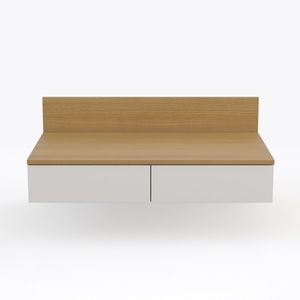
Modway EEI-6312-WHI-NAT Kinetic 49" Wall-Mount Off
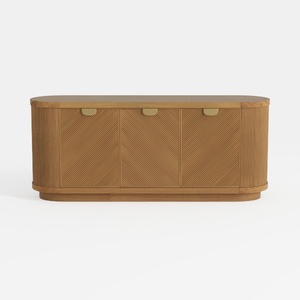
Modern Minimalist Solid Wood Fluted Sideboard with Brass Accents 3D Model
Looking to transform your living space? Discover Homestyler! This user-friendly platform features an intuitive online design tool and stunning 3D renderings. With numerous design projects and helpful DIY video tutorials, you'll effortlessly create the home of your dreams—no expertise needed!
Progetta ora GRATIS
































