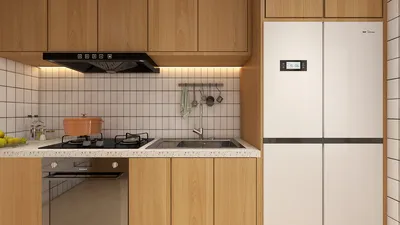


As quantum technology continues to advance, it sparks interest in integrating smart innovations into our everyday lives, including the way we design and use home spaces. Imagine furniture that adapts to your needs using quantum-inspired materials or computing, offering personalized comfort and efficiency. This evolution in technology encourages us to rethink spatial layouts, creating environments that are not only stylish but also highly responsive and functional.
Direct Answer
A fixed TV wall mount ensures the television sits flush against the wall, offering an optimal height for comfortable, eye-level viewing. Tilting mounts introduce minor vertical adjustments to help reduce glare. Full-motion mounts provide extensive flexibility by extending and swiveling, yet they require more wall space and a more robust installation.
Quick Takeaways
Introduction
Deciding among a fixed, tilting, or full-motion TV wall mount may seem straightforward until installation begins. Through over ten years of experience working on residential media walls, many homeowners tend to choose the most adjustable mount, assuming it to be the best option.
In truth, selecting the appropriate mount depends largely on factors like viewing height, room arrangement, and wall composition. From numerous living room projects I've engaged with, a simple fixed mount often delivers the cleanest aesthetic and the most comfortable viewing experience.
When mapping out your room design, visualizing furniture locations and viewing distances is invaluable. Utilizing tools such as Homestyler's room layout planners can simplify positioning televisions and seating arrangements before finalizing the mount choice.
Below, I’ll detail how each mount type functions, where they excel, and common compromises often overlooked in many buying guides.
Overview of the Three Main Types of TV Wall Mounts
Key Insight: The primary distinctions among the three mount types lie in their adjustability, clearance from the wall, and difficulty of installation.
Although most television models can be accommodated by any mount, the user experience varies significantly based on how the screen can be oriented or moved.
Here’s a basic comparison drawn from numerous real-world installations.
Industry data from AV professionals consistently highlight fixed mounts as the most prevalent in residential settings due to their simplicity, lower cost, and greater stability.
How Fixed TV Mounts Work
Key Insight: Fixed mounts offer the most sturdy and visually minimalistic setup when the TV is optimally positioned at eye level.
A fixed TV mount utilizes a straightforward bracket system that keeps the screen flat and secure against the wall with no movement after setup.
Although it might seem restrictive, in expertly designed living rooms this fixed positioning is usually preferred.
Common benefits observed in projects include:
The most frequent mistake is mounting the TV too high and then attempting to compensate by using a tilting bracket.
With proper planning of viewing height, tilt adjustment is unnecessary. When creating media wall designs, I often employ 3D floor plan visualizations to verify ideal sightlines and viewing angles before installation.
Tilting Mounts When Extra Angle Adjustment Matters
Key Insight: Tilting mounts are best suited for TVs positioned above eye level.
These mounts allow the TV to tilt downward approximately 5–15 degrees, addressing vertical viewing discomfort effectively.
Typical situations benefiting from tilting mounts include:
However, they add slight distance from the wall and increase installation complexity.
For TVs mounted at standard sofa eye level (approximately 42–48 inches from the floor), I seldom suggest tilt mounts.
Full Motion Mounts Flexibility vs Stability
Key Insight: Full-motion mounts deliver the highest degree of viewing flexibility, but at the expense of a less streamlined look and reduced structural stability.
These mounts extend outwards and swivel side to side. Some models also support rotation and tilt.
Advantages include:
However, buyers often miss these trade-offs:
In my interior design projects, full-motion mounts are usually installed in multifunctional or secondary spaces rather than main living room walls.
Space Saving Comparison Between Mount Types
Key Insight: Fixed mounts save wall space and contribute to the sleekest media wall layout.
Though the clearance differences may appear minor on paper, visually they significantly impact the room’s appearance.
This is especially crucial for compact apartment living.
I frequently create realistic interior renders with tools like Homestyler to preview how much depth TV mounts add, helping homeowners visualize the actual space usage.
Installation Complexity Comparison
Key Insight: Increased mount adjustability correlates with greater installation complexity and greater wall support needs.
Mounting difficulty varies considerably among types.
Professional installation costs rise noticeably for articulating mounts due to the additional weight and stress they place on wall structures.
According to AV standards, some larger full-motion mounts necessitate dual-stud positioning or reinforced backing for safe installation.
Which Mount Type Is Best for Different Room Layouts
Key Insight: The optimal TV mount selection depends more on seating arrangement than on the TV itself.
Here’s a general approach I use to align mount choice with room conditions.
A prevalent mistake is purchasing a full-motion mount "just in case" and never adjusting the TV afterward, resulting in needless bulk and cost.
Answer Box
For the majority of living rooms, a fixed TV wall mount provides the cleanest look and strongest stability. Tilting mounts are beneficial when mounting higher than eye level, while full-motion mounts suit spaces requiring multiple viewing angles.
Final Summary
FAQ
1. What differentiates TV wall mount types?
Fixed mounts hold the TV flat against the wall, tilting mounts allow vertical angle adjustments, and full-motion mounts extend and swivel to enable flexible viewing positions.
2. Which TV wall mount is ideal for living rooms?
Fixed mounts are usually preferable in living rooms because they maintain screen stability aligned with seating.
3. Is investing in a tilting TV mount worthwhile?
Yes, if the TV is installed above typical eye level, such as above a fireplace or on a tall wall.
4. Are full-motion TV mounts safe to use?
They are, when correctly anchored into wall studs, though they impose more stress on the structure than fixed mounts.
5. Do fixed TV wall mounts conserve space?
Indeed, fixed mounts keep the TV closest to the wall, making them the most space-efficient option.
6. Can full-motion mounts be installed on drywall?
Only when firmly anchored into wall studs or with reinforced backing behind the drywall.
7. Which mount type better reduces screen glare?
Tilting mounts generally offer better glare control by angling the screen away from windows or overhead lighting.
8. Which is best for small rooms?
Fixed mounts are typically recommended for small spaces because they minimize distance from the wall and save room.


Modern White Gold Accent Geometric Sideboard Cabinet 3D Model
danpinera Round Side Table, Metal Legged Accent
Homestyler is an easy-to-use online home design platform offering powerful 3D rendering, a vast collection of interior projects, and helpful DIY video tutorials. It’s perfect for bringing your design ideas to life and exploring creative home decor styles with confidence.
지금 무료로 디자인하세요
































