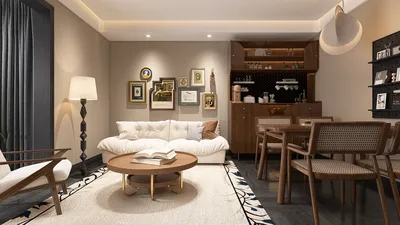


I create dining areas that are both elegant and functional, with the wash basin space serving as the intersection of practicality and aesthetics. Selecting the right tile is essential, as it not only guards against spills and stains but also establishes a visual flow in the room, offering guests a clear indication of cleanliness. In busy households, I’ve observed that this seemingly minor area significantly influences the overall perception of hygiene and the dining experience.
Design choices should be informed by data. Studies show that visible and well-lit sinks encourage more frequent handwashing—this aligns with guidance from WELL v2, which highlights the importance of accessible hygiene stations for occupant health. Glare management around shiny tiles is crucial for comfort: the Illuminating Engineering Society (IES) suggests maintaining balanced vertical light levels to diminish harsh reflections and enhance facial visibility at mirrors near wash basins. Furthermore, research from Steelcase indicates that using easy-to-clean materials lessens cognitive load and boosts satisfaction, a principle that can easily translate to home dining clean-up practices.
The choices of color and atmosphere are vital. Studies in color psychology reveal that shades of blue and green tend to have a calming effect, whereas warm neutrals can enhance a sense of friendliness. When I prepare a compact basin wall, I carefully select hues to ensure they complement table surfaces and evening lighting, opting for satin or honed finishes to minimize glare and make skin tones appear more appealing.
Essential Factors to Consider When Choosing Tile
- Resistance to moisture and stains: Opt for porcelain or glazed ceramic tiles with water absorption rates of 0.5% or lower for areas prone to splashes.
- Ease of cleaning: Subtle textures can conceal minor water stains, but they should not be so rough that dirt gets trapped in their crevices. Stain-resistant grout will keep the area looking fresh between intensive cleaning sessions.
- Glare reduction and lighting: Combine satin or honed finishes with warm-white LEDs at 2700–3000K to accurately render skin tones and reduce glare at mirrors. Ensure even vertical lighting to illuminate the user's face.
- Ergonomics and reach: For a wall-mounted faucet, ensure a backsplash height of 6–8 inches above the spout to avoid splashes; extend tiles to at least 16–18 inches for robust protection if children are present or gatherings are frequent.
- Visual coordination: Match tile colors with dining textiles or chair frames to create continuity without allowing the basin area to become an unintended focal point.
Tile Styles to Enhance Your Dining Wash Basin
1) Satin-Finish Glazed Porcelain
This is my top choice for low maintenance. Satin finishes soften the overhead light and look stunning during evening meals. A stacked-bond layout using 2x8 or 3x12 tiles provides a modern, serene rhythm.
2) Handmade-Style Ceramic
Featuring slight edge variations, these tiles bring an artisanal charm suitable for casual gatherings. Maintain a limited color palette—such as bone, wheat, or soft sage—to reduce visual clutter near the dining table.
3) Large-Format Stone-Effect Porcelain
For an upscale backdrop, consider 24x24 or 24x48 panels that minimize grout lines, enhance hygiene, and make the area feel more spacious. Honed marble-look porcelain offers elegance without the upkeep challenges of actual marble.
4) Glass or Glazed Mosaic Accents
Use these sparingly. A 1x3 or 1x1 mosaic band behind the faucet can enhance the wall's aesthetic like jewelry. Select slip-resistant finishes if the mosaic extends onto a counter splash guard.
5) Porcelain with Cement Patterns
In a neutral dining room, a subtle pattern can serve as a delightful conversation starter. Keep patterns within a limited splash area to prevent clashing with artwork or table settings.
Color Selection and Psychological Impact
- Soft whites and light taupes enhance appetite and social interaction, seamlessly transitioning from daylight to evening lighting.
- A gentle green-gray conveys cleanliness without being overly clinical.
- Dark navy or charcoal frames mirrors effectively, increasing contrast; incorporate brass or matte black fixtures for visual definition.
- Avoid intense reds in the basin area, as they can cast unflattering hues onto skin tones in mirrors and may feel overly stimulating post-meal.
Grout and Finish Details
- Grout color: Coordinate grout with tile for a cohesive, tranquil appearance in formal dining areas; contrasting grout adds energetic flair for casual settings. Always use high-quality, stain-resistant grout to prevent discoloration in splash zones.
- Edge trims: Employ minimal metal finishes in brushed nickel or matte black for clean edges. Bullnose tiles work well for handcrafted ceramics.
- Sealants: For porous tiles (cement, natural stone), using a penetrating sealer is essential—follow manufacturer instructions for reapplication.
Lighting and Tile Finish Pairing Essentials
Lighting plays a crucial role in showcasing tile finishes. For semi-gloss tiles, ensure beam angles are capped to prevent bright spots in mirrors. Use indirect or diffuse light sources at 2700–3000K to create the right dining atmosphere, supported by sufficient vertical illumination to ensure tasks at the wash basin are safe and clear. The principles of glare control and occupant comfort emphasized by WELL v2 are beautifully applicable to small wash basin areas.
Layout Concepts for Various Dining Room Styles
Compact Living Spaces
Install a single slab of large-format tile from the counter to at least 24 inches above the faucet. A slender shelf in the same finish can be added for soap and towels. When planning a tight dining corner, utilizing an interior layout tool can help confirm spatial allowances and splash reach before finalizing your design: try using Homestyler.
Open-Concept Dining Adjacent to Kitchen
Blend materials. If your kitchen features subway tile, alter the scale or orientation at the dining wash basin—consider vertical stacking instead of horizontal—so that both areas relate yet maintain distinct identities.
Formal Dining Space with Butler's Pantry
Opt for honed, stone-look porcelain with thin grout lines, complemented by a slim picture light above the mirror. Keep decor minimal to allow the tile surface to stand out as a design feature.
Family-Friendly Dining Areas
Select mid-tone matte porcelain that conceals fingerprints and smudges. Extend tiles 6–12 inches beyond basin edges to catch splashes made by children.
Sustainable Materials and Maintenance
The durability and low water absorption of porcelain make it an eco-friendly option, particularly when paired with materials that have a long lifespan. Look for tiles with recycled content whenever possible, and ensure low-VOC setting materials are used. For maintenance, a mild pH-neutral cleaner is ideal to keep the glaze intact, avoiding harsh abrasives on satin finishes to maintain their smooth sheen.
Acoustics and the Wash Basin Area
While hard tiles can amplify sound in lively settings, adding a soft runner or upholstered dining chairs can help absorb noise. To achieve additional sound control, consider finishing the ceiling above the wash basin in a matte paint and adding a small framed fabric panel on the opposite side to dampen noise.
Trusted Installation Techniques
- Pre-lay critical lines to ensure grout joints align perfectly with faucet centerlines and the edges of the mirror.
- Position electrical outlets 4–6 inches horizontally from the faucet center to minimize clutter and the risk of splashes.
- If the countertop is in stone or quartz, extend the same material 3–4 inches up as a sub-splash before interlaying the tile—this creates a clean line and makes caulk maintenance simpler.
- Use silicone at the counter-tile joint and a flexible grout joint at perimeter edges to prevent cracking over time.
Smart Budget Strategies
- Tile solely the primary splash area behind the faucet and apply a wipeable matte paint on the surrounding wall for a contrasting effect.
- Select a standard 3x12 ceramic field tile and enhance it with a vertical layout along with tight 1/16-inch grout joints.
- Invest in high-performance grout and sealers; they significantly enhance durability and cleanliness over time.
Reliable References
- The guidance from WELL v2 emphasizes hygiene access and glare management for occupant comfort: visit wellcertified.com for adaptable frameworks for residential contexts.
- IES recommendations on vertical illumination improve mirror clarity and occupant comfort: check ies.org/standards for foundational lighting principles.
Frequently Asked Questions
Q1: What tile finish is ideal behind a dining wash basin?
A1: Satin or honed finishes provide an ideal balance—easy to clean, less glare than glossy options, and they photograph attractively under warm evening lighting.
Q2: How high should I install tile behind the basin?
A2: Aim for a minimum of 16–18 inches above the faucet for adequate splash protection. In family environments or high-usage situations, consider extending to the bottom of the mirror or to 24 inches for extra reassurance.
Q3: Is actual marble suitable for this area?
A3: It’s stunning, but demanding in maintenance. If you desire the aesthetic without concerns about etching or staining, opt for marble-look porcelain with a honed finish.
Q4: Which colors create an inviting atmosphere in dining settings?
A4: Warm whites, taupes, and soft greens evoke a fresh and friendly feeling. Deep navy or charcoal adds sophistication when balanced with warm metallic accents.
Q5: What type of grout should I choose?
A5: A high-performance, stain-resistant grout (often containing polymer additives) keeps joints looking clean. Choose a grout color that matches the tile for a seamless look or contrasts for visual interest.
Q6: How can I avoid glare at the mirror with glossy tiles?
A6: Opt for satin tiles, use dimmable warm-white lighting at 2700–3000K, and manage beam angles to limit bright reflections—adhering to IES glare control principles.
Q7: Is it possible to mix tiles from the kitchen with those in the dining basin?
A7: Certainly. Maintain a consistent color scheme but adjust the scale or orientation (e.g., vertical stacks versus horizontal running patterns) to subtly differentiate the areas.
Q8: What’s a straightforward method for planning clearances in a compact dining corner?
A8: Utilize digital layout tools to affirm faucet reach, mirror height, and traffic patterns with an interior layout planner like Homestyler to prevent crowded conditions near the table.
Q9: Are mosaics practical for use around a basin?
A9: Mosaics can work well as accent bands; select glazed or matte glass options with sealed grout lines, avoiding heavy textures that can trap soap residues.
Q10: How can I reduce noise in an area where tile amplifies sound?
A10: Introduce soft materials nearby—upholstered seating, curtains, or rugs—and choose light fixtures with diffusers to decrease noise and brightness.
Q11: What maintenance routine do you recommend?
A11: Clean daily with a damp microfiber cloth, apply a pH-neutral cleaner weekly, reseal porous materials according to the schedule, and refresh silicone at the counter-tile seam as necessary.
Q12: Any budget-friendly tips that still produce a high-end appearance?
A12: Using standard 3x12 ceramic tiles in a vertical layout with tight joints, complemented by matched grout and a slim metal trim, can give a polished, upscale finish without needing to splurge on premium tiles.
Homestyler is your go-to online home design platform, perfect for anyone looking to create stunning interiors. With its user-friendly design tool, impressive 3D rendering, and a wealth of DIY video tutorials, you can effortlessly transform your space and unleash your creativity!
Design Now for FREE
































