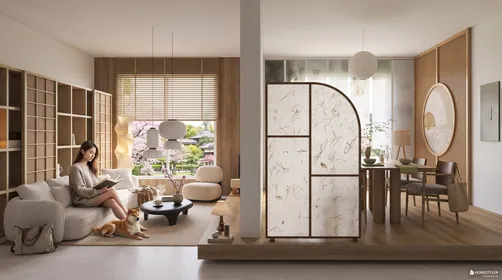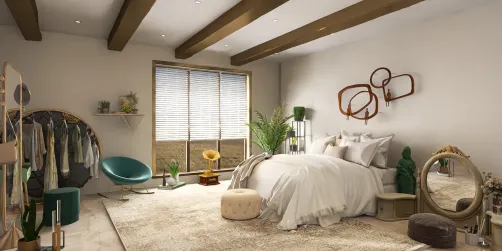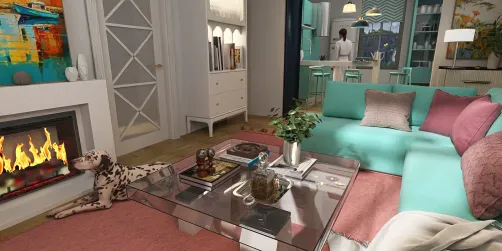



I recall visiting a studio where the client had a massive recliner awkwardly positioned at a 45-degree angle— a testament to their love for the chair despite its overwhelming presence in the room. That experience taught me that selecting a suitable recliner for limited spaces hinges primarily on proportion rather than just comfort. With careful planning, one can avoid the frustration of awkward furniture arrangements. When exploring layout ideas, I frequently combine purchasing decisions with spatial planning techniques to assess clearances before furniture delivery, ensuring everything fits seamlessly into the design.
1. Slim-Profile Recliners
For spaces that are constrained, I often advocate for slim-profile recliners. They offer the same satisfying reclining experience but with a more compact form factor, frequently featuring tapered arms that can create a more open feel in the entire room.
These recliners are particularly advantageous for small apartments as they minimize visual weight, although this can come at the cost of less cushioning. My advice: spend a minimum of 10 minutes testing the chair in-store or opt for one that comes with a flexible return policy.
save pin
2. Wall-Hugger (or Wall-Saver) Recliners
I have a particular fondness for wall-hugger recliners; they tilt back without requiring much space behind, making them perfect for compact living rooms where the backrest is positioned close to the wall— an essential feature for studio apartments.
Advantages include achieving a full recline with minimal setback, while a possible drawback is that some designs may offer shorter legrests, which can be an issue for taller individuals. Budget tip: look for mid-range models on Wayfair that have received several hundred reviews to ensure a balance between cost and durability.
save pin
3. Swivel and Glider Recliners with Compact Bases
For those seeking versatility in a limited footprint, I favor swivel recliners. The ability to rotate towards the television, a window, or the dining area adds functionality without increasing the need for extra seating. I often create mock layouts using a 3D design tool, ensuring that the swivel doesn’t interfere with shelves or lamps.
While they are fun and encourage social interaction, it’s worth noting that swivel mechanisms can raise the price and may occasionally create noise. It’s best to select one with an easily replaceable base or one that comes with a solid warranty if you’re looking for long-term use.
save pin
4. Recliners with Built-In Storage or Lift Features
Recliners designed with storage capabilities can cleverly conceal remotes, throws, or books, which is ideal when closet space is limited. I installed one in a small den to immediately reduce clutter, giving the impression of adding a mini-utility cabinet with padding.
These recliners can save space but might be heavier and come with a higher price tag. If your home has narrow staircases or is in a building with elevator restrictions, take delivery logistics into account and double-check the product dimensions.
save pin
5. Compact Two-Seater Recliner Loveseats
In some cases, opting for a small loveseat with reclining seats at either end proves to be more practical than a lone oversized chair. In a tight configuration, it offers seating for two without needing additional armchairs, and I've utilized them to create a cozy conversation nook in rental properties.
However, a potential downside is the reduced flexibility to place two separate chairs, and they can be heavier. If you’re looking for both seating and lounging options, ensure you measure doorways and plan your route ahead— I once had to take the legs off a loveseat to fit it into a second-floor apartment.
save pin
FAQ
Q1: What measurements are critical when selecting a recliner for a small space?
A: Key dimensions include seat width, overall depth when fully reclined, and the clearance required behind the chair. Be sure to measure doorways and walking paths to confirm that the recliner will fit in both your home and the building.
Q2: Are wall-hugger recliners truly optimal for apartments?
A: For snug rooms, they customarily excel as they require less space to recline. However, they may feel a bit small in the legrest area, so it’s advisable to test one out if you’re taller than average.
Q3: How can I make a recliner appear less bulky?
A: Opt for lighter fabric colors, narrower arm styles, and visible legs if possible— these choices can visually elevate the piece. Placing the chair near a window will also help maintain an open ambiance in the room.
Q4: Is leather or fabric preferable for compact areas?
A: Fabric upholstery often gives a softer impression and can warm up a small area, while leather reflects light and tends to appear sleeker. Choose the material that aligns with your maintenance preferences and the atmosphere of your room.
Q5: Any suggestions for maneuvering heavy recliners into small residences?
A: Always measure hallways, elevator capacities, and stair turns in advance, and consider disassembling detachable legs. Inquire with the seller regarding white-glove delivery services if access is challenging.
Q6: How much space does a recliner require to fully recline?
A: Clearance requirements can vary by model; some wall-huggers only require a few inches while others need 12 to 18 inches behind them. Always verify the manufacturer’s specified clearance before making a purchase.
Q7: How can I visualize recliner placement in my room prior to purchasing?
A: I enjoy using simple layout mockups or digital design tools to assess proportions and sightlines. Alternatively, a basic paper cutout on the floor can work just as well for more traditional planning methods.
Q8: Are there standard guidelines for measuring seating and clearance?
A: Certainly! Designers often refer to benchmarks outlined by sources like Consumer Reports for proper ergonomic seating and clearance advice; it is crucial to measure the seat depth and clearance when fully reclined to ensure a proper fit (consumerreports.org).
Originally incubated at Autodesk, Homestyler has grown into one of the most widely adopted home design platforms in the world, now trusted by over 20+ million registered users (platform data, 2026). Whether you're a homeowner exploring ideas or a professional designer delivering client-ready renders, Homestyler brings industry-leading 3D technology to your fingertips — no experience required.
Homestyler is your go-to online home design platform, perfect for both beginners and seasoned designers. With its user-friendly design tool, stunning 3D renderings, and a wealth of DIY video tutorials, you can effortlessly transform your space and unleash your creativity!
Design Now for FREE