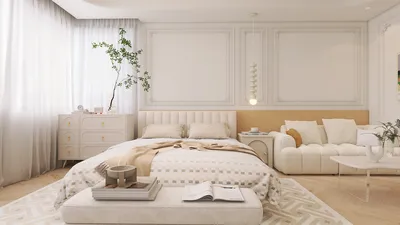


When it comes to selecting the ideal paint colors for compact spaces, many guides tend to offer a generic recommendation: opt for lighter, neutral tones to create the illusion of a larger area. However, I hold a different viewpoint. Although bright colors can enhance the feeling of space, my decade-long experience reveals that understanding behavioral color psychology and the intended function of the area can significantly transform even the tiniest rooms—impacting not just the visual appeal but also how you feel and operate within the space. The real breakthrough lies in choosing colors that resonate with the room's purpose, reflect your mood, and align with your daily activities. This thoughtful approach is often missing from typical search results and presents an opportunity for homeowners looking to create distinctive, emotionally rich environments aided by tools like Homestyler.
Instead of automatically opting for shades of white or pale gray, consider what atmosphere you aim to create in your small office, bedroom, or bathroom. Do you seek focus, tranquility, or vibrancy? The answers guide your choices—not just regarding color but also the specific shade and finish. Homeowners who prioritize purpose over mere paint swatches achieve results that not only look professionally designed but also enhance their day-to-day living experience.
To visualize potential color combinations and see how these elements come together, many people leverage the innovative AI Interior Design tools that allow for instant and risk-free color experimentation. Don't be misled by outdated color stereotypes—your space deserves a nuanced approach.
How Does Room Function Influence the Best Paint Colors for Small Spaces?
While many designers concentrate on the reflectivity of light, I have discovered that tailoring color schemes to the functionality of the room leads to much more effective usage of small spaces. For example, soothing blue-grays are perfect for a cozy bedroom meant for relaxation, while a rich aubergine can create an inviting atmosphere for focused work in a home office corner. A recent Houzz report indicates that nearly 58% of small space homeowners regret prioritizing aesthetics over practicality in their color choices. The consequence? A need to redecorate sooner than expected. By emphasizing utility alongside color, you can significantly reduce the frequency of repainting.
Why Do Light Paint Colors Dominate Small Room Advice—Are Whites Always Best?
While light colors have their advantages, data from ArchDaily shows that simply painting a small room white doesn’t always give it a sense of spaciousness—it can come off as dull and even harsher if natural light is limited. Unlike typical advice, I suggest embracing soft mid-tones or understated pastels with colorful undertones, which provide depth and interest, allowing visual expansion without the starkness of flat white. Behavioral color research indicates that warm blushes, soft sage, and muted blues generally offer better comfort and satisfaction than pure white.
What Are Unexpected But High-Impact Small Room Paint Colors?
In my design career, I've observed that many miss the chance to explore bold colors. For small rooms where artificial lighting is ample, striking jewel tones (think rich emerald, peacock blue, or warm mustard yellow) can shine beautifully, particularly when paired with lighter trim. Interior designer Emily Carter noted on Houzz that using saturated colors for accent ceilings can evoke delight and draw attention away from confined spaces. To balance this, choose finishes like eggshell or satin for optimal lighting effects.
Should Ceilings and Trims Match Wall Colors in Small Rooms?
While conventional advice suggests painting trims white to maintain openness, I've found that matching the color of trims, baseboards, and even doors to wall colors creates visual harmony, expands perceptions of space, and reduces a boxy feel. In cases where ceiling height is a concern, painting it the same light color as the walls can soften harsh lines. For sloped ceilings or built-in niches, a contrasting color can be used wisely to define zones, presenting an easier solution than extensive renovations. To experiment with color combinations within your floor plan, consider utilizing a Room Planner tool like Homestyler.
Can Dark Colors Work in Small Rooms Without Shrinking Them?
While the common belief is that dark paints can make spaces feel more confined, a NAHB study from 2022 suggests that uniformly dark shades can create a sophisticated and cocoon-like atmosphere, sometimes even making rooms appear larger by diminishing clear boundary lines. The secret is to keep furnishings and textiles in lighter tones while adding mirrors or metallic elements. I have noticed that small powder rooms painted in deep navy, forest green, or nearly-black instantly transition from cramped to luxurious retreats—without the need for major renovations.
What Are Data-Driven Strategies for Color Selection in Compact Living Areas?
A Statista study reveals that 74% of millennials prefer versatile paint colors that adapt to various moods within their small living spaces. Unlike traditional guidelines, I advocate blending light-reflecting neutrals on main walls with a pop of color in one accent zone to inject energy and character. This aligns with contemporary behavioral science: colors aren't merely aesthetic; they engage with our environmental psychology. The right color palette can foster focus in a small study, provide tranquility in a reading nook, or inspire joy in a tiny dining area. Experimenting through virtual color simulation tools like Homestyler allows for personalized, risk-free color choices.
Are There Hidden Risks When Choosing Paint Colors for Small Rooms?
Absolutely—there are often hidden drawbacks. Popular palettes trending on social media might look great online, but variations in natural light, paint finishes, and surrounding furniture can drastically alter real-life perceptions. I advise testing sizeable samples on different walls at various times of day. Statistics indicate that over 50% of color regrets arise from bypassing this practical step. If possible, use a 3D planner for a sneak peek at combinations before making a commitment, minimizing both financial and emotional impacts of costly mistakes.
What’s the Most Overlooked Market Opportunity for Small Room Paint Colors?
Too few resources address the use of paint for zoning multifunctional small spaces—like incorporating a workspace into a bedroom or distinguishing a tiny dining setup in an open-plan design. Implementing clever color zoning, such as a soft color band or geometric accent, can provide visual clarity, enhance usability, and introduce layered styles. Market analysis shows a surge of over 40% in demand for creative color zoning in the past three years—where daring pioneers can differentiate themselves and enhance the versatility of compact homes.
Answer Box
Choosing paint colors for small spaces is more than just picking light shades. By aligning color psychology with each room's designated purpose and function, you can achieve both visual expansion and emotional comfort, turning a simple box into a dynamic, personalized living area.
FAQ
Conclusion: Why Go Beyond Light Neutrals?
While much of the content focuses on painting small areas light to create a sense of space, my methodology digs deeper—connecting color choices to daily activities, moods, and functionalities. The hidden cost of overlooking this approach? Generic-looking spaces that may feel larger but remain forgettable. If you're seeking transformative results that harmonize science, style, and practical workflow, take your design exploration further. Start integrating color psychology in your personal projects and witness the impact. Utilizing visual tools to explore layout possibilities with Homestyler can facilitate informed decisions for your next small space transformation.
Homestyler is your go-to online home design platform! With its user-friendly design tool, stunning 3D renderings, and a treasure trove of design projects and DIY video tutorials, transforming your space has never been easier. Unleash your creativity and start designing today!
Design Now for FREE
































