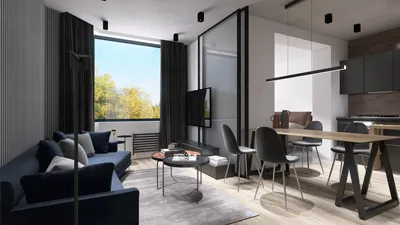


During one of my visits to a client's compact apartment, I arrived equipped with three different paint brushes. To my surprise, I was asked, quite seriously, if I had brought a toothbrush for the corners — I hadn't thought of that, but it was a memorable moment. This little panic made me realize that using the right brush can not only save time but also ensure a sharp finish, transforming a mundane task into a feeling of accomplishment. To provide real-life context to my clients, I frequently direct them to an online gallery where they can view actual project examples and see various finishes — a valuable resource in understanding design impact.
1. The Versatile Choice: 2.5"–3" Synthetic Blend Brush
My go-to brush for most wall paints is a 2.5"–3" nylon/poly blend. It carries enough paint, applies it smoothly, and is compatible with latex. Its key benefits include easy maneuverability and effectiveness in both cutting in and filling small spaces, along with effortless cleanup. The downside is that it's heavier than smaller brushes and isn't the best choice for achieving ultra-smooth gloss finishes.
save pin
2. Angled Sash Brush for Precise Edging
When it comes to edges and trim, I rely on a 2" angled sash brush. The slanted bristles allow for an easy, sharp line next to ceilings and windows. While it offers precision, using it requires a bit of practice — rushing may lead to noticeable ridges; therefore, patience is key for achieving the best results.
save pin
3. Understanding Natural and Synthetic Brushes: The Right Paint for the Right Brush
For latex paints, synthetic is the way to go, while oil or enamel pairs better with natural-hair or high-quality blends. I discovered this the hard way when a cheap natural brush left streaks with latex paint. Switching to a nylon blend made a significant difference. If you're interested in visualizing how different brushes affect texture, I recommend exploring an interactive 3D case study on finishes in various environments — it’s a great tool for insights.
save pin
4. Specialty Brushes for Detailed Work
Having a 1" angled brush and a 1.5" sash brush handy is essential for tackling tight spaces, radiators, and detailed patchwork. While they may lack glamour, these brushes are invaluable when rollers just won't fit. However, it's important to note that they prioritize finesse over speed, suited more for intricate jobs rather than covering large areas.
save pin
5. Affordable Options and Maintenance Tips
If you're working within a budget, choose a mid-range synthetic brush and maintain it well: rinse until the water runs clear, remove excess paint, reshape the bristles, and hang to dry properly. I've successfully revived many inexpensive brushes through careful cleaning. For a preview of how a wall will appear in different lighting scenarios, I often utilize photo-realistic renders — they can really set expectations before a commitment.
save pin
Quick Purchasing Guide
Choose your brush size based on the area to be painted: 2.5"–3" for general walls, 2" for cutting in, and 1" for detailing. Use synthetic brushes for water-based paints and natural ones for oils. Investing slightly more in the ferrule and handle will enhance your brushing experience and extend their lifespan.
save pin
Frequently Asked Questions
1. What is the optimal paint brush for wall applications?
I suggest a 2.5"–3" synthetic (nylon/poly) blend for most wall projects with latex paint, as it offers a great balance between coverage and control. For cutting in, incorporating a 2" angled sash brush is advisable.
2. How can I clean paint brushes after wall painting?
For latex paint, rinse under warm water, use your fingers to work out the paint, and then utilize a brush comb or an old fork to eliminate any remaining paint. Reshape the bristles and hang them to dry to maintain their integrity.
3. Do natural bristle brushes perform better?
Natural bristles excel with oil-based paints and varnishes due to their ability to hold more liquid, resulting in a smoother finish. However, they tend to perform poorly with water-based paints as the bristles can swell and split.
4. Is it acceptable to use the same brush for primer and topcoat?
While it's permissible, I wouldn't recommend it. Primer tends to be gritty and can wear down bristles more quickly; using a dedicated brush for finish coats helps maintain a smoother application for topcoats.
5. How often should I replace my paint brush?
If bristles become splayed, lose their shape, or the ferrule becomes loose, it’s time for a replacement. A well-maintained brush, however, can last for several seasons, and regular cleaning significantly extends its lifespan.
6. What brush design is ideal for corners?
Angled sash brushes and smaller 1" brushes are perfect for corners and tight spaces, offering control while creating sharp edges without needing tape.
7. Are there any credible sources for brush selection guidance?
Yes, paint manufacturers provide specific recommendations; for instance, Sherwin-Williams has detailed guidelines on brush types suitable for various paints (Source: Sherwin-Williams, https://www.sherwin-williams.com).
8. Should I invest in the most expensive brush available?
Not at all times. Mid-to-high range brushes often strike a balance between quality and cost. It’s wise to spend more on frequently used brushes (like your primary wall brush) while opting for less expensive small specialty brushes that you may rarely use.
save pin
Homestyler is your go-to online home design platform! With its user-friendly design tool, stunning 3D renderings, and an array of inspiring design projects, you can easily create your dream space. Plus, the helpful DIY video tutorials make it simple to learn and innovate. Start designing today!
지금 무료로 디자인하세요
































