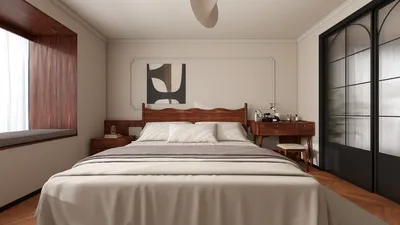


In my experience, I once matched a client’s request for a soft gray only to end up with an unexpected eggplant undertone — it was an emotional moment for us all. After a decade spent addressing such lighting mishaps and learning the importance of accurate swatches, I now advise clients to visualize their space under various lighting conditions before they decide to buy paint in bulk. Transforming small spaces requires innovative approaches, and selecting the right light gray paint for your living room marks the beginning of excellent design.
1. Warm greige for a cozy atmosphere
When creating a snug and welcoming environment, I recommend warm greige, which combines gray with delightful beige undertones. This shade works wonderfully with warm woods and brass finishes, in addition to being a practical choice for concealing dust better than stark white paints.
Pros: extremely adaptable and accommodating. Cons: it might appear slightly dull in north-facing rooms, so testing various light conditions and wall sections is crucial.
save pin
2. Cool blue-gray for a bright, contemporary living space
For well-lit areas, a cool blue-gray delivers a fresh and modern vibe. It maintains a light color scheme without the clinical impression that often comes with white, and complements chrome or glass features beautifully.
Advantages: visually enlarges the space. Disadvantages: it may feel cold in dim settings, so balancing it with warm textiles or area rugs is recommended.
save pin
3. Classic soft gray with high LRV to enhance small areas
Whenever my clients express that their living room feels constricted, a soft gray with a high Light Reflectance Value (LRV) is my preferred solution. Such shades reflect light effectively, creating an illusion of higher ceilings. I often encourage clients to visualize paint options using layout mockups in designs like Homestyler to ensure compatibility with their furniture.
Advantage: enhances the perception of space and airiness. Challenge: higher LRV paints may reveal imperfections in the walls, thus preparation is key.
save pin
4. Greys with warm undertones for harmonious material blends
When incorporating various elements like stone, wood, and metal, select a gray that reflects the dominant material’s undertone. This approach fosters unity without becoming overly predictable. I have utilized this strategy in numerous small condo renovations, always achieving a cohesive look.
Excellent for creating harmony, but can be complex if your home features conflicting color tones — bringing along multiple swatches for evaluation at dusk is advisable.
save pin
5. Utilizing contrast: pairing light gray with deep charcoal accents
A reliable tactic is applying a neutral light gray on larger areas while using charcoal for trims or a statement wall. This design choice appears polished while minimizing risk; it allows for seasonal changes in accent colors without requiring complete repainting. I frequently recommend this strategy to clients who appreciate variety.
Strength: adaptable and fashionable. Weakness: needs proper balance to prevent the charcoal from overshadowing smaller spaces; applying samples on three walls initially and living with them for a few days can help confirm your choices, and don’t underestimate the impact of smaller details like cushions and art as you apply these small-space strategies.
save pin
FAQ
Q1: What is the top light gray paint for a living room?
A: The ideal option varies based on light and furnishings — warm greige fits snug rooms, while cool blue-gray suits bright, modern settings. Always test larger swatches across different surfaces.
Q2: How do I identify undertones in gray paints?
A: Compare swatches against white trims and with your flooring; warm undertones will appear beige or yellowish, whereas cool undertones will seem blue or green. It’s best to observe them at different times of day before making a final choice.
Q3: Which LRV should I select to create the illusion of a larger living room?
A: Look for a higher LRV (above 50) to maximize light reflection and enhance the open feel; however, be mindful that it may highlight any wall textures more prominently.
Q4: Will light gray render my room too cold?
A: It might, particularly cool grays in softly-lit environments. To maintain warmth, incorporate wooden elements, area rugs, and layered lighting that contribute to an inviting atmosphere.
Q5: Which paint finish is best suited for living rooms?
A: Eggshell or satin finishes strike a good balance between washability and subtle sheen. High-gloss finishes should be reserved for smaller areas unless you’re targeting a modern, reflective effect across large wall sections.
Q6: What is the best way to test paint prior to purchase?
A: Apply 12x12" samples on various walls and examine them at different times of day. For comparing tones, utilizing tools like Sherwin-Williams’ color guides and LRV charts can be invaluable (visit their color resources at sherwin-williams.com).
Q7: Are there particular brands of light gray paints you recommend?
A: Brands such as Benjamin Moore and Sherwin-Williams offer trustworthy gray lines and consistent pigment quality; it’s wise to obtain sample pots rather than depending solely on store chips.
Q8: Can furnishings affect how a light gray appears?
A: Without a doubt — the interplay of textiles, artwork, and flooring can shift the perceived undertones. That’s the reason I suggest living with large paint samples for a week before making a decision.
save pin
Transform your home design dreams into reality with Homestyler! This user-friendly platform offers a powerful online design tool, stunning 3D renderings, a plethora of inspiring design projects, and helpful DIY video tutorials. Create your perfect space effortlessly, whether you’re a novice or a pro!
Progetta ora GRATIS
































