

Quick Overview
- Polyurethane stands out as one of the most resilient finishes, providing superior protection against moisture and scratches.
- While oil finishes generally require reapplication every six months to a year, polyurethane can endure for several years with the right care.
- Water-based finishes are ideal for kitchen tables as they dry swiftly and are less toxic when compared to oil-based alternatives.
When selecting the perfect finish for your kitchen table, it’s essential to weigh various factors, including durability, aesthetics, and maintenance ease. A well-applied finish can significantly enhance your kitchen's appearance while resisting daily wear and tear from family meals and gatherings.
Consider these popular finishes:
1. Polyurethane Finish
Polyurethane is a synthetic coating that delivers a robust, protective layer over wooden surfaces. Its water-resistant property makes it a perfect choice for kitchen tables that frequently encounter spills. Available in both oil-based and water-based varieties, polyurethane provides a spectrum of sheen options from matte to high gloss.
2. Oil Finish
Oil finishes, like tung oil or linseed oil, deeply infiltrate the wood, enhancing its inherent beauty. Though they necessitate more frequent applications compared to some other finishes, these options lend a warm, organic appearance that many homeowners appreciate.
3. Varnish
Varnish is another reliable finish, offering superior protection against scratches and heat. It forms a hard, shiny layer that is resistant to staining, although it might discolor over time due to sunlight exposure.
4. Shellac
Shellac is a natural finish derived from insect secretions, providing a stunning, glossy appearance. However, it is not as durable as polyurethane or varnish, making it most suitable for decorative items that experience minimal use.
5. Water-Based Finishes
These eco-friendly finishes dry quickly and are perfect for home projects. They deliver a clear, non-yellowing finish that preserves the wood's natural look while providing decent defense from wear.
6. Stain and Finish Combo
Using a combined stain and polyurethane finish can streamline the process. This method allows for coloring the wood while simultaneously shielding it, making it an efficient choice for achieving a specific aesthetic.
Care Suggestions
No matter which finish you opt for, proper maintenance of your kitchen table is vital to enhance its longevity. Regularly clean it with a soft cloth and mild soap, steer clear of harsh chemicals, and reapply the finish as needed to keep your kitchen table looking stunning for many years.
Final Thoughts
Ultimately, the choice of finish for your kitchen table should align with your lifestyle and design preferences. Reflect on how often the table is used, the types of activities it will endure, and the look you wish to achieve. With the appropriate finish, you can transform your kitchen into a visually appealing space that withstands daily use.
FAQs
Q: What is the most durable finish for a kitchen table? A: Polyurethane is recognized as one of the most durable finishes, providing outstanding protection against moisture and scratches.
Q: How frequently should I reapply the finish on my kitchen table? A: This depends on the type of finish applied; typically, oil finishes might need reapplication every six months to a year, while polyurethane can last several years with proper care.
Q: Is it advisable to use a water-based finish on my kitchen table? A: Absolutely, water-based finishes are an excellent choice as they dry quickly and are less toxic when compared to oil-based finishes, allowing for a healthier home environment.
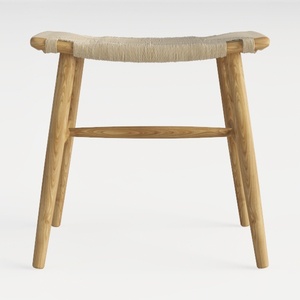
Maven Lane 31" Sophia Backless Bar Stool

Modern Minimalist Fabric Upholstered Round Ottoman Metal Legs 3D Model

Modern Minimalist Oak Top Black Metal X Base Dining Table 3D Model
Discover the ease of home design with Homestyler! This robust online platform features an intuitive design tool, stunning 3D renderings, a diverse array of design projects, and helpful DIY video tutorials. Perfect for anyone looking to transform their space, no experience necessary!
Design Now for FREE
































