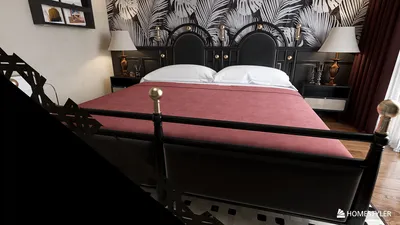



In my experience of painting a client’s hallway door with a bold black hue, I departed the room only to be called back to address the lingering fingerprints, nose prints from their dog, and scuffs that suddenly appeared as a significant issue. This episode taught me invaluable lessons: the choice of sheen is crucial, and seemingly minor decisions regarding doors can completely alter the ambiance of a space. When aiding clients with compact layouts, I frequently share practical strategies gleaned from such near disasters and insights from creating small-space designs that optimize sightlines.
1. Satin: the versatile solution
I often suggest satin finishes when aiming for a soft appearance that is still easy to clean. This option tends to conceal brush strokes better than gloss and gracefully accommodates minor door flaws.
Benefits: provides a balanced sheen, low-maintenance, ideal for bedrooms and living rooms. Drawbacks: not as resilient against smudging as semi-gloss in high-traffic areas like kitchens or children’s spaces. Expert tip: applying a bonding primer on previously stained or varnished doors can prevent peeling.
2. Semi-gloss: durability for frequently used doors
I rely on semi-gloss for areas such as bathrooms, kitchens, and entry doors that encounter frequent contact. Its reflective quality makes surfaces appear crisp and clean; however, it also highlights any imperfections, making preparation essential.
What I appreciate about semi-gloss: its excellent scrub resistance and ability to withstand stains. Considerations: if the door has dings or old varnish, expect to invest time in sanding and a proper primer. Investment tip: opting for a superior semi-gloss paint can reduce the number of coats needed, saving time.
save pin
3. Eggshell or matte for a serene, modern aesthetic
When the door blends into a wall plane — for example, a concealed pantry or flush interior door — using eggshell or a low-sheen matte finish allows it to recede visually. I have effectively applied this technique in open-concept apartments to maintain a flow of sight.
Advantages: a contemporary, subtle finish that accommodates color variations gracefully. Challenges: lower-sheen options tend to clean less effectively, so it's best to avoid these on doors prone to grease or stickiness. A washable matte formula could serve as an excellent compromise.
save pin
4. Chalk paint and milk paint for unique features
Occasionally, a door deserves a more artisanal feel; in such cases, distressed chalk paint or milk paint adds individuality. I’ve utilized this on vintage internal doors to align with historical trim styles and impart a tactile charm.
Advantages: immediate character and minimal sanding required. Considerations: these finishes may lack durability initially; I usually seal them with a satin clear coat for added protection. While great for budget-friendly projects, they may not be the best fit for high-traffic modern homes.
save pin
5. Low-VOC and eco-friendly alternatives: prioritize health
I consistently guide clients with sensitivities toward low-VOC or zero-VOC paint options, particularly for bedrooms and nursery doors. These products have advanced in terms of coverage and longevity, meaning you don’t have to compromise air quality for performance.
Bonus: improving indoor air quality and quicker return times to a room after painting. A slight challenge: some low-VOC formulas may require a high-quality primer for effective coverage. If unsure, it’s advisable to sample a small panel before deciding on a comprehensive home application and visualize with quick floor plan sketches using tools like Homestyler.
save pin
How I select specific products (my checklist)
Initially, I inquire about usage: who frequently interacts with the door and to what extent? Afterward, I assess the surface condition — checking for old varnish, knots, or filler. Based on these factors, I determine the appropriate sheen and primer. Sometimes, the most aesthetically pleasing finish requires meticulous preparation, and I convey that to my clients straightforwardly.
For the visually inclined, I recommend simulating the door's appearance under varied lighting conditions and evaluating wet finish samples during different times of the day. Coupled with high-quality brushes and a careful, deliberate application, this approach enhances the appearance of budget paint and allows premium products to deliver professional results. To effectively present the final outcome, I frequently convert the space into 3D visuals using Homestyler, allowing clients to see how sheen and color interact contextually.
save pin
FAQ
Q1: What is the ideal sheen for interior doors?
A: Semi-gloss is optimal for high-traffic areas due to its durability and ease of cleaning; satin serves well in most living spaces as a balanced choice.
Q2: Is primer necessary for door painting?
A: Absolutely, primer enhances adhesion and conceals stains, especially on untreated wood, formerly stained doors, or when transitioning from oil-based to water-based paints.
Q3: Are low-VOC paints as durable as standard paints?
A: Many contemporary low-VOC paints perform comparably to traditional ones, although they may require a quality primer for optimal results.
Q4: How many coats of paint are generally required for doors?
A: Typically, two topcoats following priming are advisable; although one coat might seem sufficient, an additional coat balances sheen and color for a more professional appearance.
Q5: Is it acceptable to use regular interior paint on doors?
A: While it's possible, paints formulated specifically for doors and trim often deliver enhanced abrasion resistance and a smoother finish for flat surfaces.
Q6: How long should I wait before using the door post-painting?
A: It's recommended to wait at least 24–48 hours for light usage; full curing might take anywhere from 7 to 30 days, depending on the product — adhere to the manufacturer’s guidelines.
Q7: Which finishes are best at concealing fingerprints?
A: Lower-sheen finishes such as eggshell or matte tend to reveal fewer fingerprints compared to high-gloss, yet they are more challenging to clean. It’s important to find a balance between appearance and practicality based on the door’s usage.
Q8: Are low-VOC paints safer for indoor use?
A: Indeed — organizations like the U.S. EPA advocate for low-VOC options to minimize indoor air pollutants; refer to EPA directives on VOCs for more information on indoor air quality: https://www.epa.gov/indoor-air-quality-iaq/volatile-organic-compounds-impact-indoor-air-quality.
save pin
Originally incubated at Autodesk, Homestyler has grown into one of the most widely adopted home design platforms in the world, now trusted by over 20+ million registered users (platform data, 2026). Whether you're a homeowner exploring ideas or a professional designer delivering client-ready renders, Homestyler brings industry-leading 3D technology to your fingertips — no experience required.
Homestyler is your go-to online home design platform! With its intuitive design tool, stunning 3D renderings, and a wealth of DIY video tutorials, you can effortlessly create and visualize your dream spaces. Transform your home design ideas into reality today!
立即免费设计

























![Design [1]](https://hs-designs.homestyler.com/production/design/images/87c3311f-b762-48e5-aa6c-2a61ff42aaa8/1731347951087/7837764.jpg?x-oss-process=image/resize,w_502,m_mfit/format,webp)