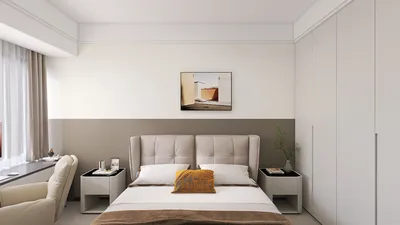


Selecting curtains for a child’s room requires a thoughtful integration of safety, light management, sound absorption, and imaginative design. It's crucial to choose materials and fixtures that can withstand the rigors of daily use while effectively softening sound and controlling daylight to create an ideal environment for both resting and studying. Research highlights that our design decisions significantly influence children’s wellness: the WELL v2 Light framework suggests managing glare and offering adjustable lighting options to enhance comfort and support their natural biological rhythms. Aligning window treatments to follow a blackout-to-sheer strategy can efficiently cater to day and night cycles, an approach that is equally applicable to study areas in kids’ rooms, much like the insights derived from Steelcase’s research on workspace lighting and focus.
Color and illumination are intrinsically linked. According to Verywell Mind’s guidelines on color psychology, hues like blues and greens are connected to tranquility and concentration, whereas vibrant yellows can invigorate and uplift—ideal for play zones. I aim to juxtapose energizing colors in accents with more subdued shades for larger surfaces, and I match color schemes with the fabric transparency: lightweight sheers for daytime leisure, mid-weight dim-outs for reading, and blackout options for nap times. The WELL v2 is particularly vocal about glare control, advocating for double-layer treatments (sheer plus blackout) in rooms facing the harsh afternoon sun, especially in places like India.
Key Considerations for Curtains in Kids’ Rooms
1) Prioritize safety: choose cordless or wand-operated systems and ensure all fittings are securely fastened. In shared spaces, minimize pull mechanisms to keep them out of reach. 2) Flexible light control: pair a washable sheer for daytime privacy with a separate thick layer for naptime and early bed hours. 3) Look for durable fabrics that are easy to maintain: cotton blends, polyester microfibers, or performance linens with machine-wash recommendations are excellent choices. 4) Ensure acoustic comfort: opt for thicker weaves and layered fabrics that absorb sound in hard-floored environments. 5) Consider color psychology: employ cooler mid-saturated tones for serenity, and introduce brighter accents in areas designated for play, keeping the sleep area tranquil. 6) Sustainability matters: whenever possible, select OEKO-TEX certified materials and UV-stable dyes to ensure longevity under bright sunlight.
Suitable Fabric Types for India’s Climate
- Cotton and cotton-linen blends: These fabrics are breathable and familiar; choose pre-shrunk and colorfast varieties. Heavier weaves offer better light filtering and sound dampening.
- Polyester fabrics: Known for their durability and resistance to fading, polyester blends can mimic the look of natural fibers and require less maintenance, which is advantageous for frequent laundering.
- Blackout linings: Utilizing a separate lining or opting for triple-weave blackout fabrics can effectively block 90-100% of light, essential during summer mornings and intense monsoon storms. Lining is preferable to burdensome outer fabrics, making drapes lighter and easier for children to manage.
- Sheer options: Voiles or textured organza lend an airy feel while allowing visibility into the room. If the window faces strong sunlight, consider adding a UV-protective layer.
Balancing Color & Patterns: Calm vs. Energetic
For preschool-age children, I establish a calm color base for the main curtains (like dusty blue or soft lavender) and enhance it with lively tiebacks or patterned valances that can easily be updated as tastes evolve. For older children, opting for bold geometric patterns or graphic stripes lends a more mature look. It's important to keep high-contrast patterns away from the sleep area if a child is sensitive to over-stimulation, reserving them for study or play corners instead. In small rooms, employing vertical stripes or a soft ombré can create an illusion of taller ceilings, while lighter colors can visually expand confined spaces.
Light Management by Orientation & Use
- East-facing windows: Mornings can be bright; therefore, double-layer treatments are advisable: use sheer during the day, dim-out for schooling or reading, and blackout for peaceful naps.
- West-facing windows: Adding thermal or blackout linings is beneficial to combat afternoon heat and glare; heavy drapery also helps protect colors from fading.
- North-facing windows: The light is usually soft here, so a dim-out layer might be adequate. Focus on insulation and sound dampening, especially in rooms adjacent to busy streets.
- In shared bedrooms, create zones using different fabrics: use calmer colors and thicker linings on the sleeping side, while lighter textures can be placed in the play area.
Curtain Hardware & Child-Friendly Features
- Tracks versus rods: Ceiling-mounted tracks offer smoother operation for children while concealing hardware, while rods with clip rings make it easy to swap fabrics for washing.
- Cordless systems: Opt for wand-pull or simply draw curtains by hand. If cords are necessary, utilize breakaway connectors and mount them out of reach.
- Tiebacks: Fabric loops with Velcro or magnetic closure provide safe alternatives to dangling cords. Make sure decorative tassels are out of reach for children.
- Finishes matter: Choose powder-coated or stainless steel hardware that withstands corrosion, especially in coastal and humid regions; rounded finials help minimize impact hazards in smaller spaces.
Measurements, Curtain Fullness, and Proportions
- Length: For younger children, I typically recommend that curtains hang 1-2 cm above the ground to avoid tripping hazards; for teens, a slight break can add elegance without creating puddles.
- Width and fullness: I aim for 2.0-2.5x fullness for standard drapes and up to 2.7x for sheer fabrics to maintain graceful folds and enhance sound absorption.
- Mounting height: Installing the curtain rod 10-15 cm above the window frame can visually elongate ceilings; if opting for floor-to-ceiling drapes, ensure anchors are secured in solid materials. In India’s typical 8.5-10 feet ceilings, ceiling-mounted tracks create a feeling of spaciousness.
Planning Window and Furniture Layout
When a bed or desk is positioned near a window, pay close attention to the curtain stack-back space; design with adequate stacking so that light is not obstructed when opened: allow 20-30 cm on each side for heavier fabrics and 12-20 cm for sheer options. For bunk beds, ensure that the movement of the curtains does not interfere with ladders or safety rails. If considering a new furniture layout, using a room layout tool can be incredibly helpful to evaluate stack allowances, desk glare angles, and movement pathways.
Acoustics and Noise Control
Children's rooms can get noisy, and the hard surfaces of most apartments amplify sound. Layering curtains, along with soft rugs and upholstered furniture, can significantly reduce echo. I prefer a three-layer window treatment approach for high-echo areas: sheer + decorative fabric + blackout lining. The air gap created by multiple layers works as a basic acoustic barrier, particularly in rooms facing busy streets.
Maintenance & Care Tips
- Washability: Opt for machine-washable fabrics at 30-40°C; pre-wash before hemming to prevent shrinkage. Clearly label panels by window for easy re-hanging.
- Stain resistance: While performance finishes can assist with cleaning, I steer clear of rigid coatings in children’s bedrooms. Spot clean gently with mild detergents and always patch test on a hidden area first.
- UV protection: Using UV interliners can extend the life of curtains and minimize fading in bright, sun-washed rooms.
Budget Strategies: Where to Invest and Where to Save
- Invest in: High-quality blackout linings, sturdy tracks or rods, and custom lengths that fit properly without excessive pooling, as these elements have a significant daily impact on utility.
- Save on: Trend-driven designs for valances or tiebacks that can be easily changed as preferences evolve.
- Phased upgrades: Consider starting with neutral base curtains complemented by quality linings, and later add a patterned topper or playful tiebacks.
Top Picks Based on Needs
- Ideal for naps or early sunlight: Triple-weave blackout curtains or lined cotton-blend options.
- Great for compact spaces: Light-coloured dim-out curtains with vertical textures; a ceiling-mounted track can create a sense of height.
- Best for areas exposed to high heat: Blackout curtains with thermal linings, complemented by UV-protection sheers.
- Perfect for focused study: Mid-tone, low-gloss fabrics that eliminate high-contrast patterns behind computer screens to decrease visual distraction.
Shopping Checklist (Focused on India)
- Fabrics: Prioritize breathable cotton or poly-cotton blends; confirm colorfastness and shrinkage details with the retailer.
- Linings: Choose true blackout options for east and west-facing windows; opt for dim-out materials in north-facing rooms.
- Safety: Always go for cordless or wand-operated mechanisms, securely mounted wall plugs for masonry, and rounded finials.
- Measurements: Ensure accurate sill height, skirting depth, and any air conditioning draft paths, ensuring curtains don’t impede airflow.
- Maintenance: Look for fabric labels indicating machine-washability, keep extra hooks/rings nearby, and ensure track height is user-friendly for easy removal.
References and Inspirations
In pursuing optimal light quality and comfort, I align my curtain strategies with the WELL v2 Light principles on glare management and circadian harmony, incorporating insights from Steelcase’s research on light and attention, making adjustments as needed for children's study areas. Regarding color schemes, I reference Verywell Mind’s practical summaries on color psychology, striving to strike a balance between tranquility and playfulness.
Frequently Asked Questions
Select breathable cotton or poly-cotton blends with a soft touch, complemented by blackout or dim-out linings. Avoid beaded chains, long cords, and heavy embellishments. Opt for wand-draw or hand-draw mechanisms, ensuring that brackets are securely fixed.
Implement a double-layer system: a UV-filtering sheer for daytime and a genuine blackout-lined drape for nighttime. Ensure side hems are tight against the wall, and consider a ceiling-mounted track for a tighter seal against light.
Not strictly necessary, but reserve bold contrasts and high saturation for play areas. Maintain a serene atmosphere in the sleeping zone with mid-tones and gentle colors to minimize stimulation at bedtime.
Aim for 2.0–2.5x fullness in standard drapes and up to 2.7x in sheer options to enhance acoustic absorption and produce fluid drapes.
Absolutely. Blackout or thermal linings can effectively reduce heat gain and protect main fabrics from fading. In rooms facing west, layering a UV sheer with a lined curtain helps minimize glare and heat.
Position desks perpendicular to windows to minimize direct glare, utilize a dim-out layer during bright hours, and ensure enough stack-back space so the open curtain doesn't obstruct lateral light.
Hang curtains 1-2 cm above the floor to prevent tripping and accumulation of dust. Avoid excessive pooling and use of long tiebacks.
Clean sheers every 2-4 months during dusty seasons and lined curtains every 4-6 months, or as required after spills. Pre-wash fabrics before hemming to keep them at the desired length.
For children who are sensitive sleepers or those with east/west exposures, blackout is definitely beneficial. In north-facing rooms or for older children with stable sleep habits, a dim-out might suffice.
Use rods with clip rings or a quality ceiling-mounted track with detachable carriers. Clearly label panels for each window and keep spare hooks handy for quick re-hanging.
Yes, layering helps to diminish echo in the room. Combine thicker drapes with a sheer layer while adding rugs or upholstered panels to create a more pronounced acoustic effect.
Choose a timeless primary fabric in a soothing color and allow for updates through interchangeable trims, ties, or patterned valances as tastes evolve.
Homestyler is your go-to online design platform for transforming your home. It features an easy-to-use design tool, stunning 3D renderings, diverse design projects, and helpful DIY video tutorials. Unleash your creativity and visualize your dream space effortlessly!
تصميم الآن مجانا
































