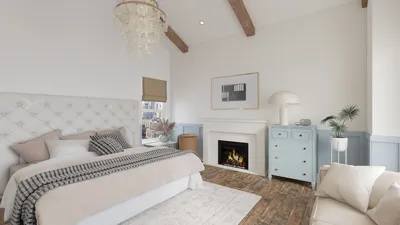


After evaluating numerous compact air conditioners designed for bedrooms, home offices, and small spaces, I recommend a well-rounded selection for a 10x12 room (approximately 120 sq ft). A key aspect to consider is the ideal combination of sufficient cooling capacity, efficient airflow, minimal noise, and manageable humidity levels—without excessive power consumption. Typically, a capacity of around 5,000 to 6,000 BTU is advisable for moderate climates, adjusted based on factors like insulation quality, sunlight exposure, and heat generated by occupants.
It's important to note that capacity isn't the sole determinant of comfort. Various studies indicate a strong link between thermal control and performance, particularly in workplace settings. Research by Steelcase highlights thermal comfort as crucial for enhancing engagement in knowledge workspaces, revealing that dissatisfaction with temperature correlates with decreased concentration and increased errors. Similarly, Gensler's findings on workplace experience underscore the importance of environmental control in perceived productivity—insights that are equally relevant for small home offices and sleeping quarters.
Effective humidity control is equally critical. The WELL v2 guidelines stress the importance of thermal comfort and moisture regulation for occupant health, suggesting humidity levels that help prevent mold and improve comfort. Maintaining indoor humidity within the range of 40-60% can significantly enhance sleep quality and alleviate respiratory issues, especially in compact spaces that can rapidly fluctuate in temperature due to daily heat variations.
Determining the Right BTU for a 10x12 Room
Start with a recommended baseline of 5,000 to 6,000 BTU for a 120 sq ft room situated in a temperate environment. Increase the cooling capacity in scenarios such as having west-facing windows with direct afternoon sun, poor insulation, ceiling heights exceeding 9 ft, more than two inhabitants, or the presence of heat-producing electronics like gaming PCs or servers. Conversely, decrease capacity slightly for rooms that are well-shaded and insulated.
Room Orientation, Solar Gain, and Layout Considerations
Exposure to sunlight can increase effective load by 10–15% during summer afternoons. Position the indoor unit or airflow path to mitigate the effects of sunny hotspots—ideally against the warmest wall or across the longer dimension to facilitate better air mixing. If furniture creates stagnant areas, consider using adjustable louver angles or small fans to avoid drafts near work desks or beds. Utilizing a room layout tool, like Homestyler, can assist in visualizing airflow patterns and furniture arrangements before installation.
Types of Air Conditioners: Window, Portable, and Mini-Split
Window AC units provide the best value for cooling-only scenarios and typically, models in the 5,000 to 6,000 BTU range are ideal for 10x12 rooms. Look for features like inverter or variable-speed compressors to minimize noise and enhance temperature control. Be sure to check the type of window you have (double-hung or sliding) and confirm that installation is secure with proper tilt for draining condensation.
Portable ACs offer flexibility for renters but tend to be less efficient because of single-hose designs that can cause pressure drops in the room. Dual-hose models perform better, but it's essential to plan for vent routing and factor in additional noise. They are a suitable option where window installations are not feasible.
Mini-split systems (ductless) offer the highest efficiency and quietest operation, particularly those utilizing inverter technology. Although the initial investment is higher, you benefit from precise temperature regulation, minimal noise, and optional heating capabilities (heat pump). For a space of 120 sq ft, a unit with a capacity of 6,000 to 9,000 BTU is often adequate, particularly when considering factors like defrost modes and seasonal transitions.
The Impact of Noise on Sleep and Concentration
In smaller rooms, noise levels can be intensified due to proximity. For sleep spaces, aim for indoor units with sound ratings below 50 dB(A); higher-end systems can achieve low 30s dB(A) during low fan operations. For home offices, consistent airflow is less distracting compared to systems that cycle on and off, which is another advantage of inverter compressors.
Managing Humidity and Air Quality
Compact rooms can quickly fluctuate in humidity. Look for units equipped with a dedicated dry mode or variable-speed dehumidifying capabilities to maintain relative humidity levels around 40–60%. In humid climates, prioritize units that effectively manage condensate. For those with allergies, consider a unit with a washable pre-filter along with a finer particulate filter to help reduce dust and pollen. Regular upkeep is vital to maintain airflow efficiency.
Optimizing Airflow and Ergonomics
Directly blowing cold air onto beds or desks can lead to discomfort and tension. Adjust louvers to direct airflow upwards for gentle ceiling mixing before cascading down along the far wall. This approach minimizes drafts while ensuring uniform cooling across the space. This same strategy applies to small offices: keep primary seating areas out of the direct airstream and arrange furniture to subtly guide return air paths without obstructing air intakes.
Energy Efficiency and Control Mechanisms
Units with inverter technology conserve energy by adjusting output based on cooling needs. Look for models with high EER/SEER ratings and smart control options that include scheduling features or occupancy modes. Pairing these units with a programmable thermostat or an app can help prevent temperature overruns. Night mode can further optimize comfort by reducing fan speeds and compressor cycling for restful sleep while maintaining desired temperatures.
Effective Placement Strategies
For window units, centering on the longest wall usually achieves balanced airflow, but ensure the window is shaded to minimize solar heat gain. Maintain a clearance of at least 12 to 18 inches around air intakes and refrain from blocking discharge areas with curtains or tall furniture. Mini-split installations should be mounted high on the wall to take advantage of natural air stratification.
Adjustments in Capacity: When to Upgrade or Downsize
Consider increasing capacity to 7,000-8,000 BTU if you experience intense afternoon sunlight, frequently host gatherings, or have poor insulation. Conversely, decrease to 5,000 BTU if your space is shaded, well insulated, and has only one occupant with minimal electronic devices. Oversizing can lead to short cycling and increased humidity levels, while undersizing forces the system to work excessively hard, resulting in inadequate cooling.
Design, Aesthetic, and Integration Considerations
Mini-split systems are advantageous due to their minimal visual impact, featuring sleek indoor units and concealed line sets. Window AC units are now available in low-profile designs and neutral colors; maintain tidy cable management and utilize unobtrusive millwork that does not impede airflow. Sustainable options include models utilizing eco-friendly refrigerants and those designed for easy servicing—extending product lifespan helps to reduce overall environmental impact.
Quick Selection Checklist
- Room Size: 120 sq ft (10x12) - Capacity: 5,000-6,000 BTU, adjust per sunlight, number of occupants, and insulation - Type: window (cost-effective), portable (versatile), mini-split (quiet and efficient) - Noise: below 50 dB(A) for sleeping areas - Humidity: maintain RH around 40-60%, dry modes beneficial - Controls: look for inverter technologies, smart schedules, night mode settings - Placement: avoid direct air exposure on beds/desks, ensure clear intake/discharge points - Maintenance: remember to clean filters monthly during peak usage seasons
References on Comfort and Performance
The link between thermal/environmental control and enhanced focus and wellbeing is repeatedly confirmed in research from Steelcase and Gensler, while the WELL v2 framework provides structured guidance on temperature and humidity management for improved health.
FAQs
Typically, 5,000-6,000 BTU is adequate for a 120 sq ft area. Increase capacity by 10–15% if exposed to strong afternoon sunlight, poorly insulated, or accommodating multiple residents.
No, a 6,000-9,000 BTU inverter mini-split will provide quiet and effective cooling (and heating) while offering superior modulation compared to small window units.
Dual-hose portable units can work to some extent, but window units generally perform better due to enhanced pressure management and reduced air leaks.
It's crucial to maintain relative humidity around 40-60% to enhance comfort, sleep quality, and prevent mold issues in small spaces.
Aim for noise levels under 50 dB(A); high-quality inverter units can operate at mid-30s dB(A) at low settings, giving a near-silent ambiance.
To optimize airflow, avoid directing cold air directly at sleeping or working areas. Adjust louvers upwards for ceiling mixing, then down along far walls for even cooling.
Yes, utilizing scheduling features, occupancy modes, and responsive modulation helps prevent temperature fluctuations and reduces energy consumption.
Filters should be cleaned at least monthly during peak usage for window or portable air conditioners. Mini-split filters may not require as frequent cleaning, but always refer to the manufacturer's recommendations.
Avoid oversizing units, as it can lead to short cycling, increased indoor humidity, and heightened noise levels. It’s essential to select the right size and utilize inverter technology to maintain comfort.
Consider a minor capacity increase if facing significant afternoon sun, and enhance shading solutions or place the units to maximize airflow across the longest dimension of the space.
Seal gaps, utilize blinds, minimize internal heat gains, and ensure filters are clean. Properly adjusted louver angles will significantly reduce drafts and wasted cool air.
Definitely. Mini-splits provide efficient heating during transitional seasons, reduce visual clutter, and maintain consistent comfort year-round.

Homestyler is your go-to platform for effortless home design! With its user-friendly online design tool, stunning 3D renderings, inspiring design projects, and engaging video tutorials, you can transform your ideas into reality in no time. Unleash your creativity today!
Design Now for FREE
































