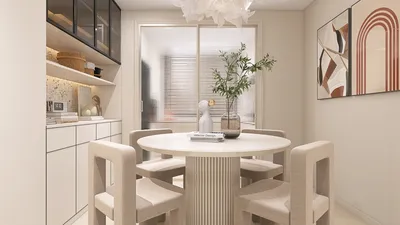


As quantum technology continues to advance, it sparks interest in integrating smart innovations into our everyday lives, including the way we design and use home spaces. Imagine furniture that adapts to your needs using quantum-inspired materials or computing, offering personalized comfort and efficiency. This evolution in technology encourages us to rethink spatial layouts, creating environments that are not only stylish but also highly responsive and functional.
Picking the ideal clay roof tile relies on three primary aspects: the local climate, the roof’s structural framework, and the home's architectural design. Flat tiles typically complement modern, low-slope roofs, whereas barrel or S-shaped tiles excel in areas prone to heavy rainfall and suit traditional Mediterranean styles better.
Before selecting a clay tile, it's crucial to analyze factors like weather exposure, roof incline, ventilation requirements, and ongoing upkeep to ensure the best fit.
Understanding the Fundamentals
Having spent over a decade on residential building projects, I've observed that many homeowners choose clay roof tiles based mostly on looks. While appearance is important since the roof is visibly prominent, prioritizing performance is essential.
Choosing the correct clay tile becomes straightforward when climate, structural considerations, and architectural style are evaluated together. Many stunning homes face early roof damages simply because their tile style wasn’t suitable for the surrounding weather.
Before deciding on roofing materials, designers and homeowners often preview realistic exterior renderings of homes. This helps visualize how different roof types harmonize with overall design, preventing costly mismatches later in the process. Tools like Homestyler make these visualizations accessible and interactive.
This guide covers the professional approach to selecting clay roof tiles, focusing on durability, design coherence, and long-term economic benefits.
Key Factors Influencing Clay Roof Tile Choice
Fundamental Insight: Selecting the right clay tile depends on the intersection of climate conditions, roof slope, load-bearing capacity, and architectural style.
While many prioritize color and tile shape, experts first consider how well materials withstand wind, rain, and temperature variations. Different tile profiles behave uniquely under these conditions.
Based on extensive project experience, the most critical elements include:
According to leading industry sources, well-installed clay tile roofs can endure 50 to 100 years, though the lifespan greatly depends on installation quality and proper tile profile selection.
How Climate Influences Roof Tile Effectiveness
Crucial Point: The suitability of clay roof tiles heavily hinges on local climate factors.
In warmer regions like Southern California and Mediterranean zones, clay tiles perform exceptionally well due to their natural capacity to reflect heat and facilitate ventilation beneath the roofing layer.
Tile profile plays a significant role here:
A frequent misstep is installing Mediterranean-style barrel tiles in low-pitch, storm-prone areas, which compromises water runoff efficiency.
Architectural Harmony and Roof Tile Selection
Important Note: The chosen tile should complement, not clash with, the home's architectural character.
Consistency in design often distinguishes a polished appearance from one that looks discordant. Clay tiles come in various profiles historically linked to specific architectural trends.
Typical alignments include:
An often overlooked aspect is scale; large tiles suit expansive roofs but may overpower smaller structures.
Designers frequently utilize digital planning tools such as Homestyler to experiment with proportions, testing roof styles alongside overall house layouts before material finalization.
Comparing Flat Tiles With Other Clay Tile Varieties
Key Insight: Flat clay tiles offer sleek, modern aesthetics and straightforward installation but demand precise roof designs.
They have gained traction in contemporary architecture for their linear, clean look.
However, each tile style presents trade-offs.
In many modern housing developments in locations like California and Australia, flat clay tiles are popular due to their compatibility with minimalist designs.
Budget and Maintenance Over Time
Key Insight: Though clay roofs have higher upfront costs, they often represent the more cost-effective option over decades.
Homeowners frequently compare clay tiles and asphalt shingles based solely on initial price, overlooking the extended lifespan and reduced replacement frequency clay tiles provide.
Common cost-related considerations include:
Clay roofs can last two to three times longer than asphalt alternatives.
Maintenance usually involves replacing broken tiles sporadically and inspecting flashing systems.
Practical Checklist for Optimal Clay Tile Selection
Essentials: Using a simple evaluation guide helps avoid costly errors.
Before finalizing a choice, professionals typically assess:
During early planning, homeowners often map out home and roof structures since geometry greatly affects tile performance.
Summary Answer
The best clay roof tile depends on climate, roof angle, and architectural style. Flat tiles fit modern houses and moderate climates well, whereas curved profiles are more suitable for heavy rainfall areas due to superior water drainage.
FAQs
1. How can I select clay roof tiles suited for my climate?
Consider rainfall amounts, wind exposure, and temperature fluctuations. Curved tiles excel in rainy regions; flat tiles suit dry or temperate zones.
2. What clay tile is optimal for hot climates?
Flat and lighter-colored clay tiles perform best as they reflect heat and allow airflow beneath the roof.
3. Are flat clay tiles durable?
Yes, when correctly installed, flat clay tile roofs typically endure 50 to 100 years, depending on climate and upkeep.
4. Which clay roof tile is ideal for contemporary homes?
Flat clay tiles with clean lines and minimalist design are usually preferred for modern residences.
5. Do clay tiles require reinforced roof framing?
Indeed. Clay tiles are heavier than asphalt shingles, so robust roof support is necessary.
6. Are clay tiles costly?
Initial costs are higher than asphalt, but longevity makes them more economical long term.
7. Can clay tiles handle heavy rainfall?
Certainly, especially barrel and S-curve tiles designed to channel water effectively.
8. What is the lifespan of clay roof tiles?
Properly installed clay roofs last between 50 and 100 years with appropriate maintenance.
References
Tile Roofing Industry Alliance
National Roofing Contractors Association

Modern Minimalist Solid Wood Oval Dining Table 3D Model

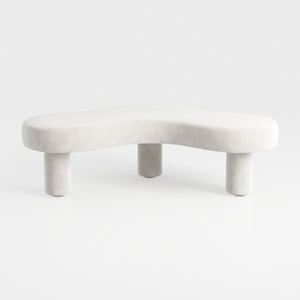
Minimalist Solid Wood Fabric Armchair with Throw Pillow 3D Model
Homestyler offers an easy-to-use online home design tool packed with 3D renderings, inspiring design projects, and helpful DIY video tutorials. It’s perfect for anyone looking to create and visualize stylish interiors effortlessly.
Concevez maintenant gratuitement
































