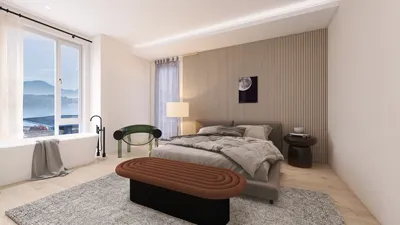


When it comes to crafting a child’s room, the foundational elements are key. The floor endures playtime, spills, and artistic activities, necessitating a design that is safe, resilient, and easy to clean while maintaining a vibrant atmosphere. In my projects, I focus on selecting flooring that provides a balance of grip, softness, and durability, with the added bonus of color and texture to inspire a sense of calm and creativity in children. Using tools like Homestyler can further enhance this process, allowing for visualization and better planning.
Safety is not left to chance. The WELL Building Standard (WELL v2) emphasizes the importance of minimizing VOC emissions, linking low-emission materials to improved indoor air quality — essential for children who spend ample time on the floor. Additionally, glare and visual comfort are addressed in IES recommendations; semi-gloss finishes can create excessive glare, so I prefer matte or satin sheens to mitigate eye strain and reflective issues. For further insights into human-centric design tailored for family spaces, explore the features of WELL v2 concerning materials and comfort.
Core Criteria: Evaluating Child-Friendly Flooring
When assessing flooring for children's rooms, I consider seven key factors: impact cushioning, slip resistance, sound absorption, VOC emissions, ease of cleaning, stain resistance, and overall visual warmth. Rubber and cork generally perform well across these criteria; luxury vinyl tile (LVT) stands out for its cleanability and resistance to stains; while engineered wood adds warmth but benefits from rugs to enhance softness and sound dampening. According to WELL v2 guidelines, it is important to focus on low-VOC finishes to support respiratory health, and a slip-resistance target of at least a wet dynamic coefficient of friction (DCOF) of ≥0.42 is recommended to minimize fall hazards.
Ideal Materials for Safe and Easy-to-Clean Children’s Spaces
For high-activity areas, my choice is robust materials. Top layers of flooring should resist stains from markers, food, and craft activities. Opt for phthalate-free, FloorScore or GREENGUARD Gold-certified options to ensure low VOC emissions. In multifunctional rooms, a 20-mil wear layer is advisable—it can withstand the daily rigors of toys, chairs, and cleaning. A matte finish also helps to diminish glare and enhance color fidelity.
Rubber flooring provides excellent grip and shock absorption, effectively reducing slips and dampening the noise of dropped toys. It is particularly favored in sensory rooms due to its softness and acoustic properties. Seamless, vulcanized rubber tiles help eliminate grout lines where dirt can accumulate, and many products come with antimicrobial features. Sticking to mid-tone colors is wise; darker shades may show dust more easily, while very light colors can highlight scuffs.
Cork flooring offers warmth and comfort underfoot, coupled with natural sound absorption. It's a renewable choice that is great for playful areas, but it must be well-sealed. I recommend waterborne polyurethane finishes (which are low in VOCs) and the addition of washable rugs in areas where crafts occur. Although cork is resilient, it can compress under heavy furniture, so felt pads are a must.
For families desiring the aesthetic of hardwood without the maintenance issues, engineered wood planks with aluminum-oxide finishes provide superior scratch resistance compared to traditional wood floors. Pairing these with area rugs and play mats softens any falls and reduces noise levels. High gloss finishes should generally be avoided; instead, satin or matte options are preferable to minimize glare and hide fingerprints.
Laminate flooring has become increasingly budget-friendly in recent years and can offer substantial improvements. Contemporary laminates resist warping from minor spills, although they are not as effective in severe water incidents. Aim for AC4 or AC5 abrasion ratings to ensure durability. The underlayment is also essential; high-quality foam or cork underlays absorb sound effectively and add a level of comfort.
Safety and Health Considerations: Addressing VOCs, Slips, and Allergens
Given that children spend significant time on the floor, ensuring high air quality and surface hygiene is crucial. WELL v2 promotes the use of low-emission materials to limit exposure to formaldehyde and VOCs; seek out independent certifications such as GREENGUARD Gold. For slip resistance, look for surfaces that meet or exceed a wet DCOF of 0.42 and strike a balance between traction and cleanability—overly textured surfaces might trap crumbs. If allergies are a concern for family members, consider minimizing carpet use or opting for solution-dyed nylon with low pile and tight tufting, complemented by HEPA-filter vacuuming.
Using Color Psychology in Design
Color has a profound impact on behavior. Research highlighted by Verywell Mind suggests that soft blues and greens can diminish stress and enhance concentration, while warm neutrals foster comfort without causing overstimulation. In children’s spaces, I reserve vibrant colors for movable items such as rugs and cushions, allowing the flooring to set a tranquil foundation. Light timber tones create an open feel in small rooms, while deeper walnut shades convey maturity, which can be great for older kids but may require increased daylight to prevent a feeling of enclosure.
Enhancing Acoustic Comfort and Ergonomics
Rooms with hard, echo-prone surfaces can amplify the sounds of toys and footsteps, raising alertness and diminishing prolonged play. Rubber, cork, coupled with quality underlayment beneath LVT or laminate, can substantially reduce impact noise. From an ergonomic standpoint, softer floorings alleviate stress on the knees and wrists during playtime activities. In nurseries, I combine a cushioned floor surface with a high-density play mat to shield crawling joints and forearms.
Layout and Zoning: Using Floors to Influence Behavior
I find it effective to utilize varying flooring materials to create distinct zones: a cork area for reading, rubber tiles for energetic play, and hardwood or LVT for study spaces. Subtle variations in patterns—like herringbone near a desk or broader plank designs in play areas—can subtly signal different activities without erecting physical barriers. To effectively plan transitions and flow before installation, using a room layout tool like Homestyler can assist in simulating clear paths, rug placements, and safety features around furniture.
Cleaning Routine for Busy Parents
The ideal flooring is one that does not complicate maintenance during hectic weeknights. For LVT, a damp microfiber mop paired with a pH-neutral cleaner will handle most messes. Rubber flooring can be cleaned with a mild detergent, but petroleum-based cleaners should be avoided. Cork requires gentle cleaning solutions and may need to be resealed periodically based on its traffic usage. Engineered wood should be vacuumed with soft bristles, and water use should be minimal. Protecting furniture with felt pads, trimming pet nails, and rotating area rugs will help distribute wear.
Strategizing Area Rugs
Area rugs serve as a flexible aesthetic layer. Solution-dyed materials are resistant to stains, and indoor-outdoor rugs work wonderfully under craft tables. It's essential to use rug pads compatible with the underlying floor—natural rubber for hard flooring and felt blends for added comfort. In rooms for toddlers, it's advisable to avoid fringes and high piles, as loops can easily catch on wheels or tiny fingers.
Sustainable Choices
For environmentally-conscious families, cork and certain rubber products made from recycled materials present low-impact options. Many lines of LVT are now made with recycled cores and provide third-party environmental product declarations. Always opt for waterborne finishes and adhesives with proven low emissions. Moreover, selecting durable flooring that can withstand the various stages of childhood can help avoid early replacements, embodying sustainability.
Selecting Lighting, Glare, and Finishes
As daylight moves throughout the day, it will change the appearance of the flooring. Matte or low-sheen finishes effectively decrease distracting highlights that may hinder homework focus or overstimulate young children. Under warm-white LED lights (2700–3000K), wood tones appear cozy; cooler shadows (3500–4000K) neutralize bright shades and make art projects more prominent. Ensure that the light color temperature aligns with your desired palette for your children’s space—consistency enhances the perception of cleanliness and comfort.
Budgeting and Phasing Projects
When finances are tight, I suggest breaking down the project into phases: starting with durable LVT for the main area, a cork inset for reading, and a washable rug for craft activities. Over time, as the children grow, update the rug. Focus on the wear layer and low-VOC certification first; while design trends may evolve, health-oriented specifications remain timeless.
Installation and Transition Details
Spaces designed for children require seamless transitions. Flush reducers at doorways and soft, rounded edges will help reduce the risk of stubbing toes. In multi-material areas, maintain transitions below door lines or use a low-profile clean metal T-molding. It's crucial to seal perimeters to prevent spills from migrating under floating floors.
FAQ Section
Q1: What is the safest flooring option for toddlers learning to walk?
A1: Rubber provides superior traction and cushioning, minimizing slip risks and softening falls. Cork is a close contender for softness but does not manage spills and heavy play as effectively.
Q2: How can I minimize VOCs in a child’s room?
A2: Select low-emission materials certified by GREENGUARD Gold or FloorScore and pair them with water-based finishes. The WELL v2 standard champion low-VOC products to foster healthier indoor air.
Q3: Is LVT too hard for children who play on the floor?
A3: Not if it is used together with a quality underlayment and a dense play mat. This combination strikes a balance between cleanability and comfort while sustaining frequent cleaning.
Q4: What slip resistance should I look for in hard flooring?
A4: A wet DCOF of ≥0.42 is widely considered the standard target for slip resistance. Be sure to consult the manufacturer’s datasheet for verified information.
Q5: Are engineered wood floors suitable for use with crafts involving markers and paint?
A5: Absolutely, if you define a crafting area with a washable rug and enforce a rapid cleanup routine. The aluminum-oxide finishes are resistant to scratching, but stains require prompt attention.
Q6: How can flooring help minimize noise in shared apartments?
A6: Opting for rubber or cork flooring, or adding acoustic underlayment beneath LVT or laminate, can effectively dampen noise. Softer surfaces help absorb impact sounds and reduce complaints from neighbors.
Q7: Which colors promote focus in children without overstimulation?
A7: Softer blues and greens are generally calming, while warm neutrals foster comfort. Applying vivid colors as accents rather than across the floor can help avoid visual exhaustion.
Q8: How often should cork flooring be resealed?
A8: In areas with high activity from kids, expect resealing every 2 to 4 years, depending on usage and cleaner type. Watch for indications like dulling or water spots to gauge timing.
Q9: Are laminates a solid option for a limited budget?
A9: Yes, select AC4/AC5 ratings along with a quality underlayment. While they are easy to clean, they are not ideal for handling large amounts of water, so discipline regarding spills is essential.
Q10: What is the best type of finish for reducing glare?
A10: Matte or satin sheens effectively minimize glare and prevent visual hotspots, ensuring comfort under both natural and artificial lighting.
Q11: How do I create distinct zones in a compact kids' room?
A11: Utilize flooring designs and rugs to delineate different areas—such as study, play, and reading zones. A room design visualization tool like Homestyler can facilitate layout testing, circulation paths, and transitions prior to purchasing.
Q12: What is the fastest daily cleaning routine?
A12: A quick routine includes microfiber dusting and spot mopping with a neutral cleaner. Save the deeper cleaning for weekly routines, and safeguard high-traffic regions with washable rugs.

Modern Minimalist Fabric Upholstered Queen Bed 3D Model
Minimalist Solid Oak Wood Platform Bed with Headboard 3D Model

Minimalist Solid Oak Wood Platform Bed With Bedding 3D Model
Discover your creativity with Homestyler, an exceptional online home design platform. Its user-friendly design tool, impressive 3D renderings, and extensive DIY video tutorials make it easy to transform your ideas into reality. Start designing your dream space today!
Design Now for FREE
































