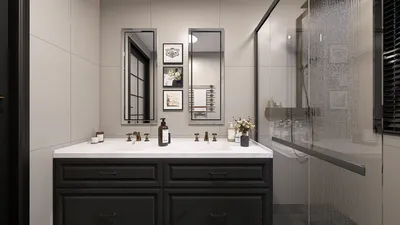


For many years, I have chosen anti-skid tiles for living spaces, particularly in homes where children, pets, or multigenerational families reside. The objective is straightforward: provide a flooring solution that looks sophisticated while subtly enhancing safety and comfort in daily life. When implemented effectively, slip-resistant surfaces blend seamlessly into the overall design—ensuring no compromise on aesthetic appeal, while significantly reducing the likelihood of accidents.
Integrating Safety into Daily Living: An Evidence-Based Approach
Slip resistance is essential not only in commercial areas but also in residential settings. WELL v2 identifies falls as a significant safety issue in homes, and research in ergonomics consistently connects floor friction and lighting to a decrease in accidents. Data derived from workplace studies applied to residential contexts by Herman Miller indicates that having stable flooring and adequate lighting is vital in preventing micro-slips and reducing fatigue over time. Further insights from Steelcase on human factors reinforce the importance of consistent surface friction, providing predictable movement patterns and alleviating cognitive strain during transitions between different areas.
Standards organizations measure grip: the lighting sector (IES) underscores how luminance and glare impact the perception of traction, while construction professionals generally refer to benchmarks concerning the dynamic coefficient of friction in both wet and dry settings. A carefully considered combination of tile finish, lighting conditions, and traffic flow conducts measurable enhancements in everyday safety and comfort.
For efficient room layout prototyping—defining clear walking paths, arranging rugs and furniture, and managing transitions between surfaces—a room design tool can help visualize circulation patterns and evaluate how tile orientation interacts with seating areas and thresholds.
Achieving Grip with Style: How Anti-Skid Tiles Work
Manufacturers create slip-resistant surfaces by employing micro-textures, matte finishes, and structured designs. In living areas, I favor lightly textured porcelain or ceramic tiles with a subtle satin sheen—these provide adequate grip for socks and pet paws while remaining visually appealing under natural light. Finishes with evenly distributed micro-ridges tend to be easier to clean than overly rugged outdoor varieties. It is advisable to maintain narrow grout lines that match the tile color, minimizing visual clutter and dust collection.
Illumination, Glare, and the Perception of Traction
Lighting significantly influences how a floor is perceived in terms of safety and slip resistance, regardless of its inherent friction. High-gloss tiles can enhance specular highlights, making them seem slippery under intense overhead lighting. According to IES recommendations, a balance of vertical and horizontal illumination lessens sharp contrasts and improves depth perception—key factors affecting our movement confidence on floors. Instead of intense spotlighting on tiled pathways, I advocate the use of layered ambient lighting (2700–3000K for living areas), warm accent lights, and low-glare task lamps in reading corners.
The Psychological Impact of Color and Material Choices
The choice of color greatly influences behavior. Neutral tones like warm greige, oat, and soft taupe evoke calmness and stability, while mid-tone shades are more forgiving in hiding dust and pet hair compared to stark white or overly dark floors. Insights from Verywell Mind on color psychology often reflect my observations: warm colors promote comfort and connection, whereas cooler, desaturated tones create a sense of space and composure. If your living area serves as a social gathering spot, opt for warm neutrals with minimal patterns, adding texture through rugs and upholstery to maintain a visually tranquil and confident floor.
Comfort Underfoot and Ergonomic Transitions
The combination of slip resistance and comfort is crucial. Tiles tend to transmit impact more than wood or resilient materials; to address this, consider a layered strategy: include a high-quality underlayment to absorb sound and micro-vibrations, place area rugs in seating areas, and ensure smooth transitions to different flooring materials. Strive for minimal height differences of 3–5 mm when possible and utilize flush trims—our feet naturally expect level changes, so fewer surprises lead to a better experience. The ergonomic studies from Steelcase and Herman Miller frequently emphasize predictable movement pathways and reduced thresholds as factors enhancing everyday convenience.
Creating Acoustic Calm in Hard-Floor Living Rooms
Hard flooring materials can amplify sound. To maintain a peaceful acoustic environment, combine anti-skid tiles with softer elements: upholstered sofas, heavy curtains, acoustic panels disguised as artwork, and thick rugs. This blend effectively absorbs mid and high-frequency sounds while retaining the practicality of tiled surfaces. You'll enjoy less echo and a more intimate atmosphere for conversation—particularly valuable in open-plan layouts.
Choosing the Right Anti-Skid Tile
Seek out lightly textured porcelain tiles with rectified edges to ensure tighter grout lines. Opt for finishes that are rated for residential spaces (commonly categorized by comparable slip resistance metrics). You may want to test grip by using a wet hand and socks—though this method is practical, it’s not scientifically rigorous; it's also advisable to ask manufacturers for data on dynamic friction in both dry and slightly damp conditions. Select colors that harmonize with your upholstery and wall tones; matte or soft-satin glazes typically perform well under varying natural and warm evening light conditions.
Visual Design: Patterns, Scale, and Rhythm
Maintain subtle patterns in living rooms. Large-format tiles (24×24 or 24×48 inches) reduce grout lines and foster a feeling of spaciousness. Herringbone or stacked patterns can introduce dynamism but avoid high-contrast joints if you prefer a more subdued backdrop. It's important to maintain a consistent joint width (2–3 mm) and align tile arrangements with major furniture layouts—sofas, media walls, and focal artwork—allowing the floor to reinforce the room's visual narrative.
Strategizing Layout: Defining Zones, Pathways, and Anchors
Prioritize circulation in your planning. Clearly mark a route from the entryway to seating and transitions leading to balconies or yards, then position anchor pieces (like sofas, consoles, and media units) to ensure walking lines do not navigate around tight corners. Ensure furniture clearances of 750–900 mm wherever possible. If adjustments are necessary, employing an interior layout planner can help simulate seating arrangements, rug sizes, and tile orientations, ultimately minimizing trip hazards at the edges and thresholds.
Maintenance: Preserving Grip and Aesthetic Appeal
Slip resistance may diminish due to residue build-up. Steer clear of waxes and polishes that may fill micro-textures. Instead, utilize pH-neutral cleaning solutions and rinse thoroughly to avoid a film. Regularly scrub grout lines with a soft brush to maintain even friction levels. Installing doormats at entrances can help capture grit, which might otherwise erode texture over time.
Sustainable Choices and Health Considerations
Porcelain tiles are enduring and typically low in volatile organic compounds (VOCs); combine them with low-VOC adhesives and grout. When radiant heating is utilized, tiles excel in heat transfer and overall longevity. Whenever possible, select materials with transparent environmental and health certifications; durability itself is a key aspect of sustainability—fewer replacements mean less waste.
Harmonizing Design: Rugs, Sofas, and Finishes
In high-traffic areas, layer a robust, anti-slip underlay beneath area rugs. Choose fabrics with various textures—such as bouclé, linen blends, or wool—to offset the coolness of the tiles. Brass or black metal accents complement warm neutrals; if a cooler palette is desired, chrome and light ash woods can maintain a crisp look. Ensure at least 200–300 mm of visible tile surrounds rugs for proportionate balance.
Frequently Asked Questions
While not mandatory, anti-skid tiles significantly enhance safety in homes with children, pets, elderly individuals, or frequent spills. Consistent traction reduces minor slips, especially near entries and balcony doors.
Inquire about manufacturer specifications regarding dynamic friction for both dry and damp conditions. For living areas, lightly textured, matte, or satin finishes usually provide adequate grip without abrasive sensations.
Matte finishes can conceal fine dust more effectively than high-gloss surfaces, but residues may still collect within textures. Routine pH-neutral cleaning and thorough rinsing keep them visually appealing and textured for grip.
No, you can select refined, micro-textured porcelain in soft neutrals and large formats. Minimizing grout contrast and using subtle patterns create a premium, calm environment.
Glare can create a misleading sensation of slickness. Employ layered, low-glare lighting combined with evenly distributed ambient illumination. IES recommendations support the use of diffuse ambient light paired with focused accents to mitigate harsh reflections.
Indeed—pair rugs with anti-slip underlays and clearly defined edges. Rugs contribute warmth and sound absorption, while the base tiles provide reliable traction.
Tiles feel firm and cool underfoot. Mitigation strategies include using area rugs, cushioned seating, quality underlayment, or radiant floor heating where practical.
Utilize doormats to capture debris, avoid waxes or polishes, and clean using pH-neutral solutions. Regular grout upkeep ensures consistent traction throughout the floor.
Absolutely. The micro-texture is designed to aid paws in gripping, minimizing skids during swift movements. Select finishes that are gentle enough to avoid snagging claws.
Ensure clear walking paths, allocate 750–900 mm for clearances, and avoid tight corners near seating. A room layout visualization tool can effectively assess furniture arrangements prior to installation.
Porcelain tiles possess remarkable durability and a low potential for VOCs. Seek out products with environmental disclosures and combine with low-VOC adhesives and grout.
Lightly textured tiles are manageable for indoor environments. Refrain from choosing hefty outdoor-style treads; opt instead for micro-textures with fine grout joints, which facilitate easier upkeep.
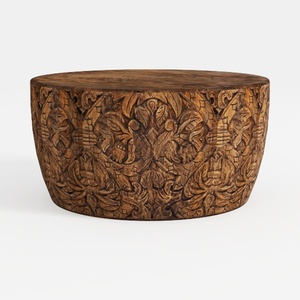

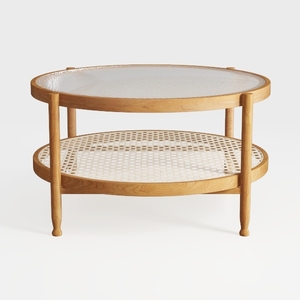
Best Choice Products 2-Tier 35.5in Round Industrial Coffee Table
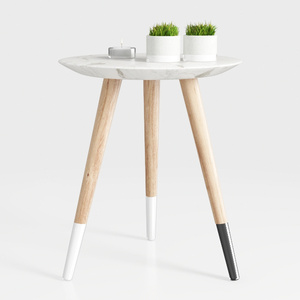
Round End Table - 2-Tone Mid-Century Modern Home
Homestyler is your go-to online home design platform! With its user-friendly design tool, stunning 3D renderings, and a treasure trove of design projects and video tutorials, it's the perfect resource to transform your creative ideas into reality effortlessly. Discover your home’s potential today!
تصميم الآن مجانا
































