


Direct Response
For commercial spaces around 500 sq ft, air conditioning typically demands between 12,000 and 18,000 BTUs. This varies based on factors such as occupancy levels, heat from equipment, ceiling height, and operational hours. While a 12,000 BTU mini split is usually sufficient for offices and boutiques, spaces like clinics or equipment rooms often require more robust or specialized cooling setups.
The primary distinction across industries lies not in the square footage but in heat generation, ventilation needs, and tolerance for noise.
Key Insights
Overview
Having managed numerous small commercial interior projects, it's evident that selecting air conditioning for a 500 sq ft area isn't as straightforward as picking a BTU value from a chart. Identical floor areas may behave quite differently based on the type of business.
For instance, boutiques with glass storefronts tend to heat up rapidly during afternoons. Small offices are often filled with computers running all day, whereas clinics have more stringent comfort and noise standards. Server rooms, on the other hand, operate more like ovens than regular offices.
When assisting business owners in space planning and cooling assessments, I often start by evaluating the interaction between occupants and equipment. Utilizing design platforms such as Homestyler for small commercial layouts helps anticipate air circulation, workstation density, and heat distribution before HVAC installation.
This guide unpacks how air conditioning needs fluctuate across industries in approximately 500 sq ft spaces, highlighting common pitfalls where businesses either overspend or undersize their cooling units.
Cooling Needs for Small Offices (~500 Sq Ft)
Insight: Most small office environments about 500 sq ft perform optimally with 12,000 BTU mini split units due to moderate yet steady internal heat generation.
Offices generate continuous heat from computers, monitors, printers, and personnel. Although BTU charts may suggest 10,000–12,000 BTUs, actual conditions frequently push this demand slightly upward.
Typical sources of office heat include:
My personal experience designing startup offices in Los Angeles indicates spaces equipped with multiple screens and devices benefit more from 12,000 to 15,000 BTUs rather than minimum recommendations.
According to the U.S. Department of Energy, internal heat gains can considerably elevate cooling requirements in compact commercial settings.
Air Conditioning for Retail Stores and Boutiques
Insight: These retail environments depend more on effective airflow management than merely increasing BTU capacity.
500 sq ft retail shops face challenges like frequent door openings, which introduce warm outdoor air and demand quick recovery by the AC system.
Common boutique cooling issues include:
Effective solutions for boutiques often involve:
Cooling Solutions for Server or Equipment Rooms
Insight: Server or equipment rooms around 500 sq ft typically require dedicated cooling systems rather than standard comfort AC units.
A frequent error is installing conventional comfort air conditioners in equipment-heavy rooms.
Continuous heat from servers, routers, and electrical devices exceeds typical occupancy heat assumptions.
Primary heat contributors include:
ASHRAE guidelines recommend maintaining strict temperature controls and uninterrupted cooling in server environments.
Superior approaches might include:
Considerations for Clinics and Small Studios
Insight: For clinics and studios, both noise level and air distribution are equally crucial as cooling capacity.
Facilities such as healthcare clinics, therapy offices, photo studios, and recording rooms emphasize comfort and acoustic management.
Key factors involve:
In various wellness studio undertakings, ceiling cassette AC systems were favored over wall mounts due to their ability to provide even airflow without drafts.
Noise and Comfort in Professional Settings
Insight: AC noise can significantly affect customer experience in client-centered businesses.
Tolerance to noise varies extensively depending on industry.
Typical acceptable sound levels are:
Modern inverter mini split systems usually operate between 19 and 35 decibels, considerably quieter than portable units.
Summary
The optimal air conditioning for a 500 sq ft commercial area hinges more on heat generation and usage patterns than total floor size. Offices and boutiques generally require 12,000 to 18,000 BTU systems, while equipment-intensive rooms need specialized solutions designed for constant cooling.
Choosing Between Commercial and Residential-Grade Systems
Insight: Light commercial spaces often gain advantages by using residential-grade mini splits with enhanced durability instead of full commercial HVAC units.
Many small businesses mistakenly assume large commercial units are necessary, which can inflate installation expenses unnecessarily.
Comparison notes:
Early planning of airflow and layout can aid in accurately sizing systems. Design tools like Homestyler enable visualization of furniture placement and air circulation to prevent oversized installations.
Maintenance Expectations in Commercial Settings
Insight: Air conditioning in business environments experiences higher operational demands, necessitating more frequent maintenance.
Typical maintenance intervals for small commercial AC units are:
Businesses using AC units 10 to 12 hours daily face faster wear compared to residential scenarios.
Leveraging AI-powered interior design platforms for compact commercial spaces can help detect airflow problems prior to installation.
Concluding Summary
Frequently Asked Questions
What size AC suits a 500 sq ft office best?
The majority of offices benefit from a 12,000 BTU mini split, though those with higher equipment loads might require up to 15,000 BTUs.
Are mini splits effective for 500 sq ft retail spaces?
Absolutely. Mini splits provide robust airflow and efficient cooling, making them ideal for retail shops around 500 sq ft.
Can portable AC units effectively cool 500 sq ft commercial rooms?
Portable units often struggle to provide consistent cooling in commercial spaces, especially with frequent door traffic.
Are special AC systems needed for server rooms?
Yes. Dedicated cooling designed for continuous heat loads is essential for server rooms.
What is the best AC type for 500 sq ft office spaces?
Mini split systems are generally the most efficient and quiet choice for such office sizes.
How loud are mini split air conditioner units?
Most contemporary mini splits operate at noise levels between 19 and 35 decibels, quieter than many portable AC models.
How often should commercial AC units receive servicing?
Small commercial systems should undergo professional maintenance at least annually.
Does equipment influence AC load requirements?
Definitely. Electronic devices and lighting can greatly increase cooling needs in compact commercial sites.
References

Minimalist Solid Wood Dual Computer Desk With Storage Drawers 3D Model
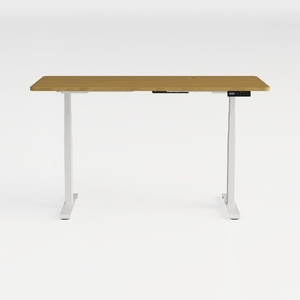
Modern Minimalist Solid Wood Adjustable Standing Desk 3D Model
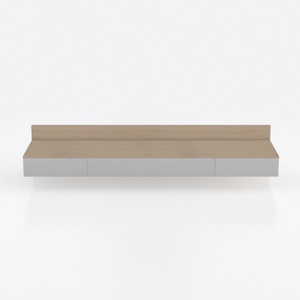
Minimalist Solid Wood and White Wall Mounted Console Cabinet 3D Model
Homestyler offers an easy-to-use online design tool combined with stunning 3D renderings, a vast collection of interior projects, and helpful DIY video tutorials. It’s perfect for anyone looking to creatively plan and visualize their home design ideas effortlessly.
Progetta ora GRATIS
































