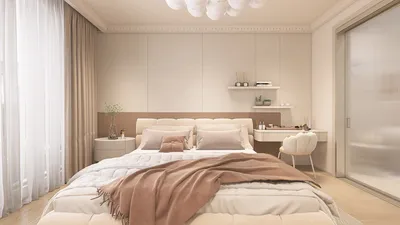


HSR Layout seamlessly combines the vibrant energy of technology with the tranquility of residential life, positioning it as one of Bengaluru’s prime spots for brief stays and business ventures. When I assist clients or visiting teams in selecting accommodations in this area, I prioritize factors such as comfort, spatial configurations, and the convenience of nearby thoroughfares like 27th Main, 24th Main, and the Outer Ring Road. In densely populated urban settings, the quality of sleep can significantly impact overall experiences; research from Steelcase indicates a correlation between improved environmental factors and enhanced performance. Moreover, the WELL Building Standard v2 emphasizes the importance of sleep-supportive lighting as a crucial health aspect.
Analyzing reliable data is crucial when evaluating hotel rooms, moving beyond merely polished photographs. WELL v2 offers guidelines on circadian lighting optimization and mitigating glare to foster restfulness, while IES lighting standards recommend specific illuminance levels—typically between 100–300 lux for ambient settings and around 300–500 lux for task lighting—to prevent eye discomfort without excessive brightness. Further studies from Steelcase link sound reduction and ergonomic furniture choices with increased satisfaction and productivity for business travelers. I rely on these metrics to assess accommodations within the boutique and commercial hotels scattered across HSR Layout, particularly near Sectors 2 to 7.
Location and Connectivity
In HSR Layout, opting for places near 27th Main Road will provide swift access to start-up hubs, charming cafés, and transport links, while 24th Main welcomes you to quieter residential areas that are within easy reach of Agara Lake and Koramangala. For those with early morning flights, being close to the Outer Ring Road can significantly reduce travel time to the airport. I often recommend selecting rooms that are just one or two lanes off the main road—offering a short five-minute stroll to dining options while minimizing exposure to traffic noise. Those who enjoy morning jogs will benefit from hotels located within a 10 to 15-minute distance from the trails surrounding Agara Lake.
Room Layout and Spatial Quality
Quality guest rooms in HSR Layout exhibit a balance between compact designs and effective circulation. Ideally, the bed should be positioned away from the door to provide psychological comfort while ensuring unobstructed pathways of 750–900 mm around furniture pieces, thereby separating the workspace from the sleeping area. If you're exploring options for team accommodations or assessing suite designs, utilizing a room layout tool can greatly assist in visualizing furniture arrangements and traffic flow prior to making a reservation. I prefer rooms that exhibit well-defined zones—entryway, work area, lounge space, and sleep area—to maintain order and prevent clutter from encroaching into the sleeping zone.
Lighting: Ambient, Task, and Circadian Support
The most inviting rooms provide layered lighting setups: warm ambient lighting around 2700–3000K to facilitate evening relaxation, neutral task lighting hovering around 3500–4000K near the desk, and dimmable options to gradually reduce brightness after sunset. It's best to steer clear of glare-inducing fixtures positioned at eye level; instead, indirect cove lighting or shaded lamps can offer a more comfortable experience. The WELL v2 guidelines advocate for a circadian lighting strategy that emphasizes exposure to brighter light earlier in the day and gentler lighting at night; a practical application in hotel rooms includes a bright desk lamp with cutoff optics, as well as blackout curtains to hinder unwanted early morning light.
Acoustics and Noise Control
Noise from traffic and café conversations inevitably spills over along HSR Layout's main roads. I focus on reserving rooms equipped with double-glazed windows, solid core doors, and fabrics that minimize sound (like carpets, curtains, and plush headboards). A simple tip: if you can hear elevator dings down the hall, I would recommend a room further down the hallway or situated at the end of the corridor. Rooms that face internal courtyards generally enjoy a quieter ambiance than those facing the street, particularly on lower floors.
Ergonomics: Work-Friendly Rooms
For business travelers, having an ergonomic task chair and a desk height ranging from 720 to 750 mm is crucial for comfort during extended periods of laptop use. Research conducted by Steelcase and Herman Miller underscores the necessity of adjustable seating options, lumbar support, and armrests to alleviate discomfort in the long term. I make it a point to seek out chairs that offer adjustable back tension and breathable materials, along with positioning desk lamps opposite the dominant hand to avoid casting shadows.
Material Selection and Cleanability
In bustling districts, hotel rooms thrive on selections of materials that maintain their appearance under various lighting conditions and are easy to clean: look for stain-resistant upholstery, low-VOC paints, and non-slip bathroom tiles with a matte finish that minimizes glare. It's wise to avoid high-gloss flooring that showcases scuffs and amplifies reflections; a textured surface not only boosts safety but also provides warmth to the overall décor.
Color Psychology and Mood
Restful color schemes favor soft blues, gentle greens, and warm neutral tones—hues scientifically linked to a decrease in heart rate and a sense of calm. According to insights from Verywell Mind, blues and greens foster tranquility, while vibrant reds can stimulate—ideal for public spaces, but less so in sleeping areas. For smaller rooms, maintaining moderate contrast is advisable to minimize visual noise.
Thermal Comfort and Air Quality
The climate in HSR Layout fluctuates from warm afternoons to cooler nights. When selecting rooms, look for those with individually controlled AC, operable windows (if possible), and effective air filtration systems. If windows can be opened, opting for higher floors can help reduce exposure to street dust. Additionally, blackout curtains not only block intrusive light but also assist in minimizing heat buildup during peak sun hours.
Bathroom Design and Water Pressure
Compact bathrooms thrive with features like pocket doors, wall-mounted vanities, and walk-in showers equipped with linear drains. Non-slip flooring combined with proper task lighting around 300–500 lux near mirrors will prevent glare and support grooming accuracy. Consistent water pressure, adequate exhaust systems, and reach-height shelving contribute to user-friendly experiences.
Amenities and Technology
In today's accommodations, reliable Wi-Fi, easily accessible outlets beside the bed, and universal power sockets take precedence over extensive lists of amenities. Smart TVs with casting capabilities, bedside dimmer switches, and a nightlight mode enhance comfort. For those sensitive to noise, it’s worthwhile to inquire about white-noise features or consider bringing a portable sound machine; many rooms are equipped with ceiling fans to provide both ambient sound and ventilation.
Safety and Accessibility
When evaluating safety, ensure that pathways are clear, rugs are stable, and grab bars are present in showers when necessary. Accessibility features like lever handles, wider door frames, and roll-in showers can significantly enhance user experience. Additional security measures such as peepholes, secondary deadbolts, and well-lit hallways contribute to peace of mind.
Sample Room Selection Strategy
While booking accommodations in HSR Layout, I typically curate a shortlist of three properties: one positioned near 27th Main for business meetings, another close to Agara Lake for morning exercise, and one nestled in a quieter residential area for restful nights. I compare online room images and layouts, double-checking details regarding lighting configurations, window placements, and soundproofing elements (like double glazing and carpeted hallways). If the hotel provides visual aids for room layouts, utilizing an interior layout planner can help me visualize furniture flow and anticipate possible circulation issues before confirming reservations.
For further exploration on workplace-grade comfort that translates effectively to hotel environments, I recommend reviewing the Steelcase research on environmental comfort along with the WELL v2 guidelines focusing on lighting and acoustic considerations. These frameworks ensure that decisions regarding comfort remain firmly grounded in evidence, even within the compact urban guestroom landscape.
Tips 1: Quiet Room Hacks
Opt for mid-floor accommodations looking into internal courtyards, steer clear of rooms adjacent to elevators and service exits, and request units situated at the end of the corridor. Use soft items like extra towels at the base of doors to seal gaps that allow sound to escape.
Tips 2: Better Sleep Setup
Adjust ambient lighting to warm settings, operate the AC gently to maintain a stable temperature, and ensure device screens are dimmed. Fully utilize blackout curtains and minimize the presence of distracting LED indicators with small stickers.
Tips 3: Workstation Comfort
Position your screen at eye level, ensure your wrists stay neutral by using a folded towel as a makeshift pad, and place task lighting opposite your dominant hand to eliminate shadows. Make sure to utilize lumbar support when sitting for longer durations.
FAQ
Q1: What lighting levels should I look for in a hotel room to reduce eye strain?
A: Aim for ambient lighting around 100–300 lux and task lighting near 300–500 lux, in line with general IES recommendations for low-glare comfort. Utilizing dimmable fixtures can assist in tailoring brightness to your preferences.
Q2: How can I minimize street noise in HSR Layout?
A: Choose rooms positioned one or two lanes away from primary roads, ask for double-glazed windows, and prefer carpeted hallways and end-of-corridor rooms. Accommodations with interior courtyard views are generally quieter.
Q3: Are warm light temperatures better for sleep?
A: Definitely. Warm lighting set around 2700–3000K promotes relaxation in the evening, while cooler, brighter task lighting during the day enhances concentration. The WELL v2 guidelines highlight circadian-supportive lighting patterns.
Q4: What ergonomic features are essential for business travelers?
A: Adjustable seating with lumbar support, desks at a height of 720–750 mm, and controllable task lighting are crucial for comfort. Research by Steelcase and Herman Miller correlates ergonomic conditions with heightened comfort and productivity.
Q5: How do colors affect rest in compact rooms?
A: Softer hues like blues, greens, and warm neutral shades promote calmness. High-intensity reds and stark contrasts can be overstimulating; color psychology insights from Verywell Mind indicate cooler tones are more soothing.
Q6: What features should I check in bathrooms?
A: Look for non-slip matte tiles, adequate lighting for mirrors, consistent water pressure, and thoughtful storage solutions. Walk-in showers equipped with linear drains minimize tripping hazards and splashing risks.
Q7: Is air quality a concern near busy roads?
A: Yes, it can be. Higher floors with well-sealed windows, efficient air filtration, and operable windows (when weather permits) are ideal. Blackout curtains also help mitigate thermal gain and light intrusion.
Q8: Which floor is best for quiet?
A: Stays on middle to upper floors generally experience less street noise and lobby-related disturbances. Avoid accommodations directly opposite elevators, service areas, or event venues.
Q9: How can I evaluate a room before booking?
A: Scrutinize photos for lighting configurations, window types, and material choices. Inquire with the hotel about glazing and corridor finishes. Utilize layout simulation tools to visualize potential furniture and circulation conflicts.
Q10: Are suite layouts worth the premium in HSR Layout?
A: If you anticipate working long hours in-room or traveling with companions, suites featuring distinct areas for work, lounging, and sleeping can alleviate clutter and foster better acoustics and privacy, thus justifying the additional cost.

Minimalist Solid Wood Nightstand with Two Drawers 3D Model


Minimalist Black Solid Wood Stacked Nightstand 3D Model

Modern Leather Metal Base Nightstand 3D Model
Homestyler is your go-to online home design platform! With its powerful design tool, stunning 3D renderings, and a wealth of inspiring design projects and DIY video tutorials, you can effortlessly create and visualize your dream spaces. Transform your home design ideas into reality today!
今すぐ无料でデザイン
































