

Direct Answer
For dining rooms with low ceilings, flush mount or semi-flush mount lighting options are typically more effective as they help maintain headroom and open sightlines. Pendant lights can be suitable as well, but only if the ceiling height is approximately 8.5 feet or taller and the light fixture is appropriately sized and hung high enough above the dining surface.
The ideal lighting choice hinges on factors such as ceiling height, the dimensions of the dining table, and the desired focal emphasis above the dining zone.
Quick Takeaways
Introduction
Many homeowners ask whether pendant lighting versus flush mount lighting makes a notable difference in dining rooms with low ceilings. Based on extensive experience renovating older homes with 8-foot ceilings, I can confirm that it does matter—although often not in the conventional manner expected.
A frequent error is considering lighting solely as a decorative element. In a dining room with limited ceiling height, the fixture significantly alters the spatial perception. Hanging a pendant too low can make the area feel constricted, whereas installing a flat flush mount without regard to scale might cause the dining table to lose its central visual role.
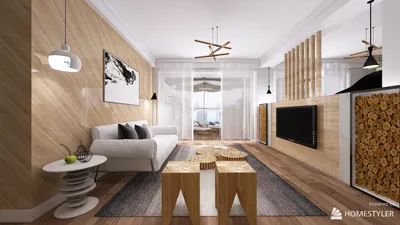
In several recent renovations, we resolved these challenges by digitally simulating layouts and sightlines before finalizing fixture selection. Utilizing tools like Homestyler allows visualization of how various lighting heights and positions can influence the room’s ambiance, enabling designers to preview proportions realistically.
This article explains under which circumstances pendant lighting suits low dining rooms, when flush or semi-flush mounts become the superior option, and highlights subtle design considerations often overlooked in typical guides.
Why Low Ceilings Alter Lighting Decisions
Key Insight: In dining areas constrained by low ceilings, lighting exerts a stronger impact on spatial perception than nearly any other design factor.
Tall ceilings allow lighting to serve mainly decorative purposes, but in lower ceilings, lighting takes on an architectural role.
The primary challenge is vertical clearance. A fixture suspended even a foot too low can interfere with eye level across the room, provoking a sense of crowding or compression—which many describe as the space "closing in."
Typical residential ceiling height standards mean:
At an 8-foot (96-inch) ceiling, clearances become very restrictive rather quickly.
This explains why flush mount fixtures are so prevalent in older houses—they eliminate clearance issues altogether.
Another often neglected aspect is room proportions. When planning layouts or evaluating lighting options, using software like Homestyler to create digital floor plans helps determine whether hanging fixtures could obstruct natural pathways and sightlines.
What Is a Pendant Light?
Key Insight: Pendant lamps create a compelling visual anchor over the dining table but demand adequate ceiling height to prevent a cluttered appearance.
A pendant light refers to any fixture suspended from the ceiling by a rod, chain, or cable. Designers favor pendants because they visually link the ceiling with the dining surface, enhancing spatial cohesion.
In open floor plans, this connection subtly delineates the dining area without using walls.
Common attributes of pendant lighting include:
However, pendants bear two hidden drawbacks in low ceiling environments:
From my experience, pendants function best when:
Heavy drum-shaped pendants often cause problems in rooms with low ceilings due to their bulkiness.
Understanding Flush Mount and Semi-Flush Mount Lights
Key Insight: Flush mount lighting maintains ceiling height while providing uniform illumination throughout the dining zone.
Flush mount fixtures attach directly to the ceiling with minimal depth. Semi-flush mounts extend downward slightly, generally ranging from 4 to 12 inches.
Design distinctions include:
Advantages in rooms with low ceiling heights are:
The primary trade-off is aesthetic appeal. Flush mounts don't inherently draw attention to the dining table the way pendant lights do.
Modern interiors often address this by opting for wider fixtures or artistic semi-flush mounts with sculptural designs.
Headroom and Clearance Considerations
Key Insight: The critical difference between pendant and flush mount lighting in low ceilings lies in how much vertical space each fixture consumes.
A practical comparison I present to clients is as follows.
Clearance considerations include:
A frequently missed cost is that pendants often require electrical repositioning to center above the table perfectly, while flush mounts are more adaptable to existing wiring.
Visual Style and Emphasis on the Dining Table
Key Insight: Pendant lights tend to highlight the dining table specifically, whereas flush mounts enhance the overall room ambiance.
This difference influences the feel and function of the dining space.
Pendant lighting approach:
Flush mount lighting approach:
One strategy many designers apply is layered lighting instead of relying solely on a single fixture. Incorporating wall sconces, recessed lights, and sideboard lamps can add depth while preserving open ceiling sightlines.
Answer Box
For most 8-foot ceiling dining rooms, semi-flush or flush mount lighting options strike the best balance between comfort and spatial openness. Pendant lights are more suitable when ceiling heights exceed roughly 8.5 feet or when fixtures are proportionately small and carefully positioned.
Which Fixture Is Optimal at Varying Ceiling Heights?
Key Insight: Ceiling height is a more decisive factor than lighting style when choosing the right fixture.
My usual design guideline recommends:
If uncertain about how these fixtures will integrate within your room's dimensions, experimenting with digital layout tools like Homestyler's detailed floor plan visualization can reveal potential spacing conflicts prior to installation.
Final Summary
FAQ
Can pendant lights be used in rooms with low ceilings?
Pendant lights are effective if the ceiling height is at least 8.5 feet and the fixture is compact. Sufficient clearance above the dining table is crucial.
What is the most suitable lighting fixture for a low dining room ceiling?
Flush mount or semi-flush mount fixtures are generally the best choice for low dining room ceilings since they maximize headroom and keep the room feeling spacious.
At what height should a pendant light be hung over a dining table?
Designers typically suspend pendants around 30 to 36 inches above the dining table to ensure comfortable sightlines and well-balanced illumination.
Are flush mount fixtures outdated?
Not at all. Contemporary flush mount lights now feature sculptural forms, diffused glass elements, and architectural styles suitable for modern interiors.
Is a semi-flush mount better than a flush mount?
Semi-flush mounts often provide greater decorative impact while still preserving ample headroom in low ceiling rooms.
How wide should a dining room light fixture be?
A useful guideline is selecting a fixture that spans roughly half to two-thirds the width of your dining table.
Do pendant lights make ceilings appear shorter?
Yes, large pendants can visually lower ceiling height, especially in small dining rooms with limited vertical space.
What lighting solution works best for an 8-foot dining room ceiling?
Flush mount or compact semi-flush fixtures usually deliver optimal results for dining rooms with 8-foot ceilings.
References

Adult Siesta Rocking Chair, Folding Zero Gravity R

Bestar Pur Queen Murphy Bed and 2 Shelving Units

PU Leather Armchairs, Retro Leisure Accent Chair w
Homestyler offers an easy-to-use online design tool with stunning 3D renderings, inspiring interior projects, and helpful DIY video tutorials—making it simple and fun to create your perfect home design.
지금 무료로 디자인하세요
































