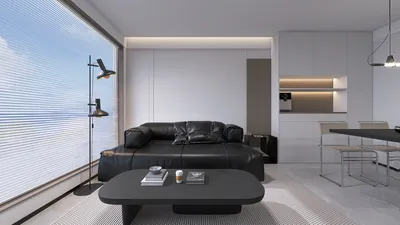


Direct Answer
The design of Chinese living rooms has become a significant force in contemporary interior styling by combining cultural symbolism, architectural harmony, and minimalist spatial design. Modern designers are reimagining traditional Chinese aspects—such as symmetry, organic materials, and calligraphic influences—within sophisticated layouts found in upscale residences, hotels, and international housing projects, often utilizing tools like Homestyler to perfect these concepts.
Quick Takeaways
Introduction
Previously regarded as a niche aesthetic outside Asia, Chinese living room design has gained substantial global traction over the past ten years. Many clients in the residential projects I've contributed to now prefer interiors that feel culturally resonant and purposeful rather than exclusively Western modern.
This is where Chinese living room design truly excels. It integrates spatial tranquility, meaningful symbolic elements, and solid architectural frameworks, resulting in rooms that feel harmonious rather than overly adorned.
Today’s designers often commence their processes by modeling layout plans and spatial dynamics using software that supports swift experimentation with cultural motifs and furniture positioning. Tools such as Homestyler facilitate interactive exploration of Chinese-inspired living room arrangements, enabling evaluation of symmetry, furniture proportions, and decorative balance prior to building.
This article explores how Chinese design philosophies are influencing modern interior design—from luxurious domiciles to worldwide hospitality venues—and examines why this style is progressively embraced by designers globally.
save pin
The Global Rise of Chinese Inspired Interior Design
Key Insight: Chinese design is expanding its global footprint because it infuses cultural richness into spaces that often lack spatial harmony in contemporary interiors.
International architectural firms and interior design studios have increasingly integrated Chinese spatial concepts over the last decade. Unlike fleeting design trends, Chinese interiors highlight equilibrium, use of negative or empty space, and authenticity in material choices.
Designers frequently adopt several distinct principles:
Leading luxury hotel chains and upscale residential developers in locations like Singapore, Vancouver, and Dubai have embraced these ideas. Events such as the World Architecture Festival and various international design fairs confirm that East Asian, particularly Chinese, design influences rank among the fastest rising trends in premium residential architecture.
How Interior Designers Incorporate Chinese Cultural Elements
Key Insight: The most effective Chinese-inspired interiors depend on nuanced integration rather than outright ornamental replication.
A common pitfall is the excessive application of traditional symbols—like red lacquer furnishings, ornate carvings, or conspicuous decorative screens throughout the space. Genuine Chinese living room aesthetics favor restraint and thoughtful detail.
Professional designers typically introduce cultural elements through layered subtlety:
In these projects, digital visualization tools such as Homestyler are often used to map traffic flow and symmetrical seating arrangements before finalizing furniture selections. Photorealistic renderings are employed to help clients grasp how understated materials and lighting affect the ambiance.
save pin
Luxury Homes and Chinese Living Room Aesthetics
Key Insight: Luxury homes utilize Chinese living room styles to craft spaces that evoke serenity, prestige, and strong architectural grounding.
In high-end residences, living rooms often serve ceremonial or focal functions rather than mere seating areas, reflecting traditional Chinese spatial priorities.
Common features in Chinese-inspired luxury living rooms include:
One notable design challenge is scale. Traditional Chinese furniture is typically lower profile and visually lighter compared to Western sofas. Without proper room scaling, spaces may appear sparse. Seasoned designers address this by accentuating vertical elements such as decorative screens or pendant lamps.
save pin
Hospitality and Commercial Spaces Using Chinese Design
Key Insight: Hotels and commercial environments employ Chinese aesthetics to express cultural sophistication and luxury brand identity.
Remarkable examples of Chinese-inspired interiors can be found in upscale hotels, which seamlessly incorporate these principles in lounges, lobbies, and executive suites.
Typical uses include:
International hospitality groups are progressively partnering with Asian design studios to ensure authenticity, reflecting the rising prominence of Chinese cultural aesthetics in global luxury travel and branding.
Answer Box
Chinese living room design impacts modern interiors by combining symmetry, cultural meaning, and restrained material choices. Designers worldwide are adopting these concepts to create tranquil, balanced spaces that translate well into both luxury residences and commercial settings, often supported by visualization platforms like Homestyler.
Modern Interpretations by Contemporary Designers
Key Insight: Contemporary designers reinterpret Chinese design through minimalism rather than strict historical duplication.
Rather than directly copying historic interiors, modern Chinese-inspired living rooms reinterpret traditional concepts within present-day frameworks.
Reimagined elements include:
This approach enables Chinese principles to harmonize with modern architecture, making the style accessible for global homeowners seeking cultural infusion without thematic overwhelm.
save pin
Future Trends in Chinese Inspired Interiors
Key Insight: The future of Chinese interior design relies heavily on technology-assisted visualization paired with culturally grounded design philosophies.
Emerging trends shaping these interiors include:
Designers increasingly experiment with layout structure and symmetry through digital planning tools like Homestyler, which allow testing of contemporary interpretations while maintaining the spatial logic central to Chinese interiors.
Final Summary
FAQ
1. What defines Chinese living room design?
Chinese living room design is characterized by symmetry, natural materials, cultural symbols, and well-balanced spatial organization.
2. Is Chinese interior design popular globally?
Yes, numerous international architects and designers incorporate Chinese-inspired interiors in luxury residences and hospitality venues worldwide.
3. What materials are common in Chinese living rooms?
Common materials include dark wood, natural stone, linen textiles, lacquer accents, and intricately carved wood panels.
4. Can Chinese living room design work in modern homes?
Absolutely. Many contemporary interiors apply Chinese design through minimalist furnishings and neutral color schemes.
5. What colors are typical in Chinese interiors?
Traditional palettes favor reds, golds, and dark wood shades, while modern adaptations often lean towards neutrals and earth tones.
6. Why do luxury homes use Chinese design?
Chinese living room design creates tranquil, balanced environments that feel elegant and culturally rooted.
7. Are Chinese living rooms usually symmetrical?
Yes, symmetry is a fundamental principle derived from Chinese architectural and spatial traditions.
8. How do designers plan Chinese living room layouts?
Designers typically begin with axial layouts, balanced seating configurations, and focal walls that anchor the space.


Modern Velvet Fabric Extra Large Sofa 3D Model
OKD TV Stand for 75+ Inch TV, Mid Century Modern

Modern Minimalist Fabric L Shaped Sectional Sofa with Accent Side Tables 3D Model
Homestyler offers an easy-to-use online design tool with stunning 3D rendering, a vast collection of interior decoration projects, and helpful DIY video tutorials. It’s perfect for bringing your home design ideas to life effortlessly and creatively.
تصميم الآن مجانا
































