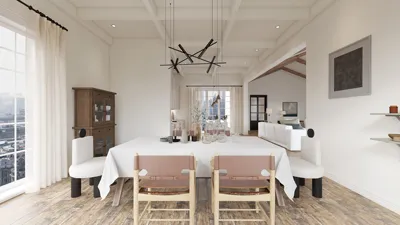


Quick Insights on Chinese Design Trends
The Future of Chinese Design: Going Beyond Traditional Elements
Chinese interior design has always sparked interest with its unique blend of elegance, tranquility, and significant symbolism. What distinguishes my viewpoint from generic articles is the emphasis on often-neglected regional styles, such as the understated hues of Anhui's Huizhou architecture or the simplistic designs inspired by Jiangnan's waterways. Instead of relying solely on dragons and jade aesthetics, I propose utilizing local heritage, allowing rooms to narrate personal experiences rather than falling into clichéd blends of East and West. For instance, with advanced design tools like Homestyler, you can incorporate authentic local textures into your spaces, enhancing the overall narrative.
What are the fundamental principles of Chinese decor?
At the heart of Chinese aesthetics lies the concept of balance: featuring symmetry, natural materials like bamboo, and significant symbolic motifs. Unlike typical Western guidelines, I encourage homeowners to delve into the historical significance of furniture shapes and fabrics, as each element can represent ideas such as prosperity, longevity, or unity. This thoughtful approach makes your space not only aesthetically pleasing but also deeply personal.
How can contemporary homes incorporate Chinese influences?
Many articles recommend mere replication of traditional designs, but the true art lies in intentional fusion. Consider utilizing sleek lacquered dividers to separate airy spaces. Opt for silk upholstery with subtle patterns rather than overwhelming prints. Experiment with layering understated wood grains and stone textures through tools like interactive 3D mapping, which allows you to tailor every detail according to your preferences using platforms such as Homestyler.
What potential costs and challenges should be addressed?
One of the most significant hidden expenses in Chinese decor is the acquisition of authentic materials; import costs and the need for validating genuine antiques can accrue quickly. Additionally, blending tradition with modern comfort poses challenges: while ornate wooden furniture may offer visual appeal, it often requires upkeep and might not suit the confines of smaller apartments.
Which regional styles provide unique insights?
From the iconic blue-and-white porcelain designs prevalent in Jingdezhen to the rustic stone flooring typical of Hunan's rural homes, these regional variations present exciting alternatives. Instead of defaulting to mainstream styles, I suggest sampling textiles or wall motifs from specific regions, creating a decor that is truly custom-made. Visualizing this unique blend can be easily achieved with a virtual design planner like Homestyler.
What common mistakes do homeowners make?
Frequent missteps include overwhelming spaces with intricate patterns, neglecting appropriate lighting, or opting for low-quality imitations. The most effective designs embrace restraint—soft lantern lighting, thoughtfully positioned art, and open floor plans that encourage positive energy flow.
How can harmony be established in compact areas?
Focus on functional decor elements such as folding screens, floating shelves, and concealed storage solutions. Select adaptable color palettes like moss green or soft gold. Implement symmetry in furniture arrangement to create an illusion of spaciousness, a technique well-established in both historical and modern Chinese interior design.
What trends are currently shaping the market?
Recent market analysis (Statista, 2024) indicates a 19% surge in popularity for sustainable, regionally inspired interiors over the past two years. Designers are increasingly utilizing modular room systems interwoven with traditional motifs, a trend particularly favored by younger professionals who value authenticity over mass-market offerings.
Key Takeaway
Authentic Chinese interior decor transcends stereotypes—drawing from regional sources, emphasizing quality materials, and creating balanced layouts are essential for transforming any space into a harmonious haven that reflects personal narratives and cultural richness.
Frequently Asked Questions
How can I start my journey into Chinese interior design?
Begin by selecting which design element—be it furniture, motif, or color—best embodies your personal story or favorite regional influences.
Is Chinese decor appropriate for small living spaces?
Definitely; elements such as folding screens, lightweight woods, and simple textiles can enhance limited spaces beautifully.
What color palettes are trending in Chinese design?
Timeless reds and golds remain popular, yet earthy jade greens, delicate porcelain blues, and natural tones are rising in preference.
Which materials signify authenticity in Chinese furniture?
Rosewood and elm are the go-to materials, favored for their durability and traditional significance.
How can I avoid replicas of Chinese decor?
Always verify sources, pursue pieces from local artisans, and ensure to check for provenance or expert endorsements.
Why is symmetry key in Chinese aesthetics?
It embodies harmony and balance, principles central to traditional beliefs such as feng shui.
Are there modern takes on Chinese design?
Indeed, many designers are now harmonizing minimalist designs with subtle symbolic references instead of direct reproductions.
What challenges do homeowners face when sourcing decor?
Verifying authenticity and managing high shipping costs are the primary hurdles for many.
References
Discover the ease of home design with Homestyler! This exceptional online platform offers a user-friendly design tool, stunning 3D renderings, and a wealth of design projects and video tutorials. Whether you're a novice or a seasoned designer, Homestyler inspires creativity and helps bring your vision to life effortlessly!
今すぐ无料でデザイン
































