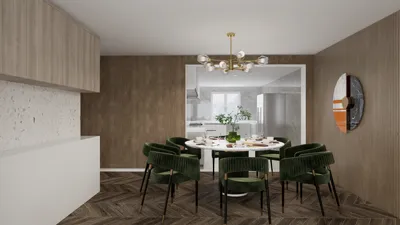


Over a decade of home designing has revealed a remarkable resurgence of farmhouse style, particularly in living rooms. The enduring allure of wooden textures, cozy fabrics, and vintage elements has an undeniable charm. In fact, smaller spaces can really showcase this style's creativity since every design choice matters. Today, I'm excited to share 10 farmhouse décor ideas for living rooms that I’ve utilized in various projects, along with insights from industry experts. Plus, I’ll highlight how tools like Homestyler can elevate your design experience.
1. Rustic Wood Features
My Insight: In one of my client’s homes, we swapped out contemporary shelves for reclaimed wood beams. It transformed the atmosphere into a warm and authentic space. Even in a compact living room, one accent wood wall can define the room's ambiance.
Advantages: Natural wood adds warmth and texture, linking beautifully to the quintessential farmhouse feel. Architectural Digest notes that reclaimed wood brings sustainable charm to any interior.
Drawbacks: High-quality reclaimed wood can be pricey and needs proper sealing to prevent splinters. In humid areas, there's a risk of warping over time.
2. Casual Comfort with Slipcovered Sofas
My Insight: A white cotton slipcover feels like the quintessential little black dress in farmhouse styling. It’s machine washable, making it easy to maintain, even in homes with pets and kids.
Advantages: They’re easy to clean, can be updated seasonally with new covers, and provide a laid-back look that perfectly embodies the farmhouse style.
Drawbacks: White slipcovers require regular washing and may appear untidy if the sofa isn’t well-structured.
For a winter update, I created a rustic retreat by pairing a slipcovered sofa with wooden coffee tables and vintage lamps.
3. Shiplap Accents
My Insight: In my first farmhouse project, a full shiplap wall painted in light grey provided the living room with an Instagram-worthy backdrop immediately.
Advantages: Shiplap introduces texture and architectural intrigue without overwhelming the decor. It complements both neutral and vibrant accent colors effectively.
Drawbacks: Technical flaws during installation can result in gaps or warping. Low-quality faux shiplap may not offer the desired aesthetic.
4. Vintage Rugs Brimming with Character
My Insight: I always emphasize that a well-chosen rug can define an entire room. In a snug farmhouse living area, a muted-toned vintage Persian rug adds instant depth and personality.
Advantages: They infuse warmth, pattern, and history into your space. Great deals can be found at estate sales or through online marketplaces.
Drawbacks: Authentic vintage rugs need careful cleaning; some may require repairs for frayed edges.
5. Open Shelving for Displaying Collectibles
My Insight: Farmhouse style shines brightest when the opportunity arises to showcase cherished ceramics, plants, and baskets. Floating shelves over a media console can combine utility and beauty effortlessly.
Advantages: Provides easy access to your belongings, allows for seasonal display changes, and gives a more open feel compared to closed cabinetry.
Drawbacks: Overcrowding shelves can lead to a cluttered appearance, and they may require more frequent dusting. Moderation is key.
6. Neutral Color Schemes with Soft Contrasts
My Insight: Consider hues like cream, beige, and warm grey as the foundation of farmhouse living rooms. Layering a soft oatmeal sofa with charcoal pillows strikes a balance between coziness and elegance.
Advantages: This creates a coherent and calming atmosphere; these tones pair well with textures like linen, jute, and wool.
Drawbacks: An excess of beige can become mundane—introduce some contrast with accents like dark frames or greenery.
I applied this concept by blending neutrals with industrial lighting in a recent project, achieving a modern farmhouse look.
7. Incorporating Wrought Iron and Metal Elements
My Insight: Metal introduces a subtle strength in farmhouse spaces. Elements like wrought iron curtain rods or chandeliers can visually anchor a room.
Advantages: Metal is durable, timeless, and beautifully contrasts with wood textures.
Drawbacks: Large metal pieces may dominate smaller spaces if not sized appropriately.
8. Cozy Layering with Textiles
My Insight: A good throw blanket is crucial for farmhouse style. Mix layers of wool, cotton, and linen to add warmth and dimension.
Advantages: It enhances comfort and invites relaxation while being easy to refresh each season without significant changes.
Drawbacks: Excessive layering might appear cluttered, and certain wool blends can cause irritation for sensitive skin.
9. Eye-Catching Farmhouse Lighting
My Insight: In my living room, a large barn-style pendant has become a focal point for conversation during gatherings.
Advantages: Lighting significantly influences mood and style; oversized pieces can serve as striking design elements.
Drawbacks: Installing heavy fixtures may necessitate extra reinforcement, increasing installation costs.
I once complemented a barn pendant with weathered wood side tables to create a harmonious space effortlessly.
10. Embracing Greenery and Natural Elements
My Insight: Adding fresh eucalyptus or potted herbs livens up the area. High-quality faux plants can also enhance the farmhouse feel.
Advantages: Biophilic design positively influences mood and improves indoor air quality, according to research from NASA.
Drawbacks: Live plants need care while faux plants can accumulate dust rapidly.
Final Thoughts:
Small farmhouse living rooms are not constraints—they are a canvas for creativity and thoughtful design. From rustic wooden accents to masterfully layered textiles, the right touches can transform any living room into a welcoming, timeless retreat. Which of these ideas would you implement in your space? Also, don’t forget to explore design tools like Homestyler to visualize your concepts better.
Frequently Asked Questions
1. What is the essence of farmhouse living room décor?
It revolves around the combination of natural textures, soft tones, and vintage-inspired elements to evoke warmth and personality.
2. Is it possible to achieve farmhouse style in small living rooms?
Definitely. Smaller spaces allow farmhouse elements to be more pronounced and impactful.
3. What are some affordable farmhouse décor alternatives?
Thrift shop treasures, DIY wooden shelves, and slipcovers can imbue your space with farmhouse charm without overspending.
4. How can I maintain a modern vibe in a farmhouse living room?
Blend rustic features with clean lines and minimal organization for a fresh interpretation of the traditional farmhouse style.
5. Are shiplap walls still considered trendy?
Yes—when executed properly, shiplap continues to be a sought-after feature in farmhouse aesthetics.
6. Is real wood furniture essential for achieving farmhouse style?
While authentic wood offers true charm, high-grade composites can effectively replicate the look at a lower cost.
7. What types of lighting suit farmhouse living rooms best?
Barn-style pendants, wrought iron chandeliers, and vintage sconces are all excellent choices.
8. How crucial is greenery in farmhouse décor?
Absolutely, both live and realistic faux plants are vital for adding life and texture to the room.
Homestyler is your go-to online platform for home design! With its user-friendly design tool, stunning 3D renderings, and a wealth of DIY video tutorials, you can effortlessly create and visualize your dream spaces. Transform your home design ideas into reality with ease!
تصميم الآن مجانا
































