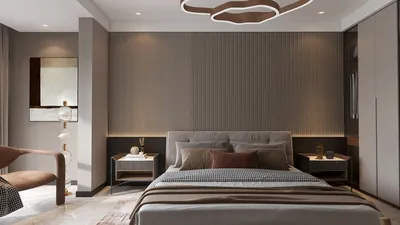


When considering ceiling design, I view it as a powerful visual and behavioral element. An effectively designed drop or recessed ceiling can alter spatial perception, obscure infrastructure, and fine-tune both lighting and acoustics, all without compromising usable floor space. In smaller residences and compact apartments, judicious ceiling adjustments can lead to significant enhancements in perceived roominess, making tools like Homestyler invaluable for visualizing these modifications.
Factors such as ceiling height, illumination levels, and color significantly influence comfort and productivity. Research from Steelcase indicates that improved lighting quality correlates with enhanced performance and well-being; optimal vertical lighting and glare management are critical for accurate task performance and positive mood. The WELL v2 standards (Lighting L01–L04) advocate for layered lighting strategies, including adjustable brightness and circadian-friendly spectrums to promote alertness during daylight and facilitate relaxation in the evening. Implementing these recommendations through ceiling design is the most straightforward approach to achieving both comfort and consistency.
Understanding color psychology is also essential for creating a perception of spaciousness. Verywell Mind highlights that light, cool tones foster a sense of openness, while darker, warm shades contribute to a cozy atmosphere. For ceilings, a soft off-white or pale gray effectively distributes light and creates an illusion of height, while darker coves can introduce drama and depth without making the space feel cramped—all of which can be easily modeled with a platform like Homestyler.
Assessing Room Characteristics: Height, Proportions, and Sightlines
Before starting any design, it’s crucial to measure the existing ceiling height, window head heights, and door frames to ensure clean sightlines. In spaces with ceiling heights below 8' to 8'6", it is advisable to keep any drop ceilings minimal—typically between 2" to 4"—and focus on perimeter coves instead of complete drops. The layout of beams, columns, and partitions should determine how to zone the ceiling: position soffits over pathways for circulation and concentrate services over less-active regions (like entries and storage) to maintain an open volume for living areas.
Perimeter Cove Lighting: Creating an Illusion of Space
Perimeter cove lighting illuminates walls indirectly, effectively extending the perceived boundaries of the room. A slight 3" to 6" drop can accommodate LED strips, wiring, and shallow ductwork while keeping the main ceiling height intact. For living areas, a color temperature of 2700K to 3000K enhances warmth, while 3500K to 4000K is better suited for kitchens and multi-use spaces requiring clarity. It is essential to adhere to the IES recommended illuminance targets for various tasks: approximately 300 to 500 lux for reading or food preparation, and 150 to 300 lux for general ambient lighting. Continuous lens designs minimize scalloping effects, and incorporating dimmable features allows for a seamless transition of lighting from day to night.
Central Tray Ceilings: Achieving Balance and Emphasis
A straightforward tray design featuring a raised center and lowered perimeter effectively creates a focal point without adding unwanted bulk. Proportion is crucial: achieving a reduction of about 10% to 20% around the edges feels intentional. In dining areas, aligning the tray with the table’s footprint enhances aesthetics; likewise, in bedrooms, centering the tray over the bed provides visual symmetry. This method streamlines lighting arrangements, with pendants or chandeliers positioned within the tray and downlights providing ambient wash along the edges, while also allowing for acoustic treatments in the lowered sections.
Service Bands: Conceal, Preserve and Optimize
During renovations, it’s advantageous to shift duct runs and cable trays to a single side of the room, incorporating them within a linear drop ceiling. This approach retains an unobstructed ceiling height while maintaining a clean look. For furniture planning around these bands, utilizing an interior layout planner can help simulate configurations before any physical modifications. Leveraging a layout simulation tool like Homestyler can confirm clearances and sightlines related to the new soffit before construction begins.
Acoustic Comfort: Creating Tranquil and Spacious Environments
Excess noise can heighten cognitive strain and contribute to a chaotic atmosphere. Steelcase's research underscores that acoustic comfort is pivotal for perceived quality in both work and living spaces. Implementing microperforated gypsum, acoustic plaster, or mineral fiber tiles within the zones of drop ceilings above seating and work areas can mitigate reverberation and enhance comfort. Employ resilient hangers to isolate mechanical vibrations and ensure perimeter gaps are sealed to prevent sound transmission. A serene sound environment fundamentally enhances feelings of visual and psychological roominess.
Layered Lighting: Integrating Task, Ambient, and Accent Illumination
I design ceilings to incorporate three types of lighting: ambient (indirect coves or widespread downlights), task (focused beams at angles of 30° to 45° to minimize glare), and accent (narrow beams for highlighting decor). Maintaining UGR-friendly optics and avoiding positions directly above reflective surfaces is essential. The WELL v2 standards advocate for glare control and personalized lighting management; using dimmers or preset scenes can create a dynamic atmosphere in compact rooms that feel adaptable rather than static.
Color and Texture: Enhance Reflectance and Visual Appeal
Opting for high light reflectance value (LRV 70-85) paints keeps ceilings bright while avoiding the starkness of pure white. Matte or eggshell finishes help eliminate harsh reflections. Introducing texture should be done sparingly; fine linear grooves or shallow battens can help create a sense of direction and spaciousness. Utilizing low-VOC paints and FSC-certified timber elements allows designers to meet sustainability initiatives while preserving aesthetic integrity.
Ribs, Coffers, and Beams: Modern Interpretations
Contemporary coffers should ideally be designed with shallow relief of about 1" to 2" and integrated LED edges for added effect. Using a consistent light tone throughout enhances rhythm without imposing visual weight. When considering exposed or faux beams, they should be narrow and aligned with the room's longest dimension to elongate the overall space. Instead of stark contrasts overhead, subtle shadow plays should be employed to create interest without clutter.
Compact Spaces: Strategic Use of Drop Ceilings
In small studios and bedrooms, it’s wise to keep the footprint of drop ceilings to functional areas such as entryways, wardrobe walls, or kitchen lines. A 4" to 6" soffit over storage can neatly conceal ductwork and wiring while keeping adjacent living areas open and lofty. If a ceiling fan is needed, plan for a shallow centralized tray to accommodate clearance for mounting while maintaining proportion consistency.
Smart Features: Integrating Technology Effectively
Incorporating occupancy sensors and tunable-white lighting into the drop ceiling design supports everyday routines. According to WELL v2 circadian principles, cooler spectrums are preferred in the morning, transitioning to warmer hues by night. Creating preset scenes for different activities—such as focusing, dining, or unwinding—can help keep user controls seamless. Well-integrated technology should blend into the architecture, with ceilings serving as ideal platforms for implementation.
Fire Safety, Access, and Maintenance Considerations
Proactively plan access points for valve access and junction boxes. Ensure compliance with sprinkler head clearance and smoke detector spacing, while also keeping luminaire drivers accessible for maintenance. In moisture-prone areas, select resilient materials like moisture-resistant gypsum and corrosion-proof fittings. Design elements such as shadow gaps can enhance the floating appearance while also allowing for thermal expansion and easy repaints.
Design Principles and Aesthetic Harmony
Aim for a two-thirds to one-third ratio for ceiling planes: maintain about two-thirds of the ceiling height while articulating one-third for interest. Keep drops minimal, lines uninterrupted, and avoid overly intricate geometries in smaller spaces. Consistent margins produce visual tranquility, and asymmetry can be used to accent a feature wall or window bay as needed in the overall design plan.
Project Highlights from Real-Life Applications
In a recent renovation of a 9' living room, we implemented a 5" perimeter cove with 3000K indirect lighting, rerouted ducts into a 10" service band along the entry wall, and utilized acoustic plaster above the seating area. The result was an enhanced perception of height, reduced glare, and a more settled sound environment, contributing to a feeling of spaciousness without modifying the physical walls.
Further Reading and Authoritative Resources
For insights on lighting objectives and glare control methods, referring to standards by the Illuminating Engineering Society is highly worthwhile. For comprehensive guidance regarding environmental comfort and light health, the WELL v2 framework provides structured criteria encompassing both lighting and user comfort.
Frequently Asked Questions
Allow a minimum of 2" to 4" for cable management and LED coves; 6" to 12" is advised if ducts or sprinklers are considered. In rooms with ceilings under 8'6", concentrate drops near edges or service bands to preserve the central height.
Not if the design incorporates perimeter-based configurations paired with indirect illumination. Wall washing combined with high-reflective finishes elevates the perceived ceiling height and visually pushes walls outward.
For relaxation, opt for color temperatures of 2700K to 3000K, while for task-driven areas like kitchens or home offices, 3500K to 4000K is more appropriate. Utilizing dimming and presets allows for fluid transitions throughout the day.
Select fixtures with low UGR optics, ensuring beam angles fall between 30° to 45° relative to tasks, and avoid positioning fixtures directly over shiny surfaces. Indirect cove lighting efficiently diffuses ambient light without introducing glare.
Yes—incorporating microperforated gypsum, acoustic plaster, or mineral fiber panels within the drop ceilings above seating or work areas enhances acoustic comfort by reducing sound reverberation.
Materials like moisture-resistant gypsum, aluminum trims, and sealed LED fixtures are sound choices for high-moisture environments. Ensure proper ventilation and vapor barriers are in place around service penetrations.
Aim for approximately 150 to 300 lux for ambient lighting, while targeting 300 to 500 lux for specific tasks, refining the setup with dimmable options. Following IES guidance will help in perfecting layout and beam selection.
Position access panels close to shut-off valves, junction boxes, and drivers, ideally situated along service bands or closets to keep them discreetly out of sight.
Indeed—keeping the tray design shallow and centered above the bed, combined with soft indirect lighting and maintaining simple, unobtrusive margins, avoids overhead clutter.
Utilizing an interior layout planner can aid in visualizing soffit placements, lighting designs, and furniture clearances. A room design visualization tool, such as Homestyler, can assist in evaluating sightlines and proportions before implementation.
These features offer adaptability, supporting invigorating cooler light in the morning while transitioning to warmer tones at night, in line with WELL v2’s circadian guidance.
Ensure compliance with manufacturer’s clearances, avoiding obstructions within spray patterns, while adhering to local codes regarding detector spacing. Early coordination with MEP engineers is recommended.

Minimalist Walnut Fabric Loveseat Sofa 3D Model


Circe Taupe Textured Velvet Sofa

Modern Pink Velvet Curved 3 Seater Sofa with Decorative Throw Pillows 3D Model
Homestyler is an outstanding online home design platform that transforms your ideas into reality. With its user-friendly design tool, stunning 3D renderings, a wealth of design projects, and engaging video tutorials, you'll find everything you need to design your dream space effortlessly.
立即免费设计
































