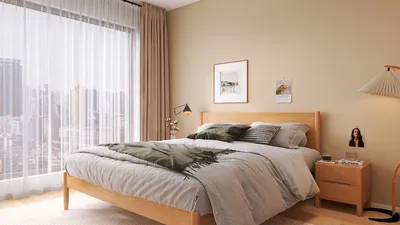


I’ve created living spaces of various sizes and interiors, with the false ceiling often determining whether a room feels spacious, serene, or visually oppressive. The color plays a significant role in this perception. When the ceiling hue aligns with lighting, materials, and spatial flow, the room achieves clarity and a sense of comfort, making tools like Homestyler invaluable for visualizing these effects.
Two key insights inform my methodology. Firstly, research from Gensler shows that the quality of lighting stands out as one of the primary elements affecting user satisfaction and productivity, which directly influences how ceiling colors should be chosen to manage reflectance and glare in living areas. Secondly, WELL v2 emphasizes the need for balanced lighting levels and glare reduction, which indirectly recommends lighter, matte ceiling finishes for even light distribution and circadian comfort. These insights guide me toward selecting high Light Reflectance Value (LRV) palettes for ceilings, reducing contrast and enhancing perceived room height. Additionally, Verywell Mind indicates that gentle blues and greens evoke tranquility and renewal—ideal for living spaces where relaxation is essential.
Impact of Ceiling Color on Perception
Ceilings occupy a crucial space in our peripheral view. High-LRV colors (soft whites, warm ivories, light greys) elevate the plane and create a sense of spaciousness. Mid-LRV shades (dusty sage, powder blue, taupe) add richness without reducing the overall height of the room. Dark colors (charcoal, navy, deep purple) can offer a dramatic touch in rooms with tall ceilings but may appear compressing in lower areas unless complemented by abundant layered lighting. When designing soffits, coves, or tiered patterns, utilize a room layout tool like Homestyler to visualize how color accents alter the rhythm and harmony of the space.
Top False Ceiling Colors by Mood and Function
Ideal for compact spaces or low ceilings, a warm white (slightly creamy) works well with 2700–3000K lighting typically found in living areas, minimizing strong contrasts. Opt for a matte or ultra-matte finish to mitigate glare and align with the WELL v2 recommendations on glare control.
This color complements medium-toned wood floors and natural fabrics beautifully, serving as my go-to choice for clients who desire an open, airy aesthetic without the starkness of pure white. It harmonizes with dim-to-warm lighting fixtures and maintains soft shadows around coves and recessed areas.
An excellent choice for modern designs with natural stone or concrete finishes, greige facilitates a seamless transition between wall and ceiling colors, promoting a serene flow that photographs well under both natural daylight and warm LED lighting. Its subtle contrast also mitigates glare in open-plan spaces.
Neutral blue ceilings can softly cool warm climates while imparting a touch of coastal or Scandinavian style. According to Verywell Mind’s color psychology analysis, blue is associated with calmness and dependability, reflecting how clients typically perceive these spaces—as peaceful yet inviting. To avoid a sterile atmosphere, maintain a warm lighting scheme (2700–3000K).
This color embodies biophilia without overwhelming the senses. It pairs elegantly with oak, linen, and matte brass accents, creating a serene anchor that works beautifully in conjunction with indirect cove lighting. Ensure walls are two or three shades lighter for optimal lift.
For living rooms inspired by hospitality design, champagne ceilings warm skin tones and pair well with bronze or smoked glass fixtures. They create an extraordinary effect when used in layered soffits—especially when cove lighting features low-glare linear LEDs.
In rooms with tall ceilings (10 ft / 3 m or higher), this color choice fosters intimacy in seating areas. It requires careful lighting strategies: wall washing, adjustable coves, and low-glare downlights, as per IES recommendations, help to minimize hotspot halos created by darker matte finishes.
Lighting, Color Temperature, and Glare Management
The relationship between ceiling color and lighting is critical. Pair warm whites and ivories with 2700–3000K lighting; greige and sage work well at 3000–3500K; and cool blues are best viewed at 3000K with warm accents. According to WELL v2, prioritizing glare reduction and visual comfort translates into using matte ceiling paints (3–10 GU at 60°), opting for shielding angles on downlights, and creating layered lighting (ambient, accent, and decorative). Ensure the ceiling enjoys even illumination to avoid splotches that can make mid-LRV colors appear uneven.
Materials and Finishes that Enhance Color
For gypsum board ceilings, high-quality matte paints with excellent opacity are essential to avoid revealing joints. If using acoustic tiles, choose micro-perforated types with paintable surfaces; opting for a soft warm white enhances reflectance and overall brightness. Light oak or ash wood slat ceilings can be color-matched with a pale greige border to maintain a bright ceiling area while softening visual edges, improving acoustic comfort without sacrificing lightness.
False Ceiling Profiles: A Color Approach
- Cove ceilings: Keep the primary surface lighter than the vertical cove edge to create a gentle radiance. A champagne or ivory edge with a warm white surface amplifies the ambient light.
- Stepped ceilings: Implement a gradient effect—lightest at the highest point, gradually deeper on the lower levels—to guide the eye upward. Test variations using an interior layout planner like Homestyler before finalizing color divisions.
- Coffered ceilings: Paint coffers a notch darker than the beams for depth without creating heaviness. In smaller spaces, reverse this by using lighter coffers and slightly darker beams to maintain the illusion of height.
Interaction Between Color and Furniture
Large, dark sofas or media walls can anchor a room’s visual focus downwards. Balance this with a lighter ceiling and mid-LRV walls, or introduce vertical lighting (such as wall grazers or tall lamps) to elongate the room visually. Employ patterned rugs with low contrast to prevent the ceiling from feeling disconnected; overly contrasting floors may compete with soft ceiling hues.
Considerations of Regional Daylight and Orientation
Rooms facing north often appear cooler; counter this with warm whites or champagne ceilings. South-facing rooms benefit from greige, sage, or powder blue tones without appearing drab. In bright, high-glare areas, steer clear of glossy ceilings—guidelines from IES and WELL v2 emphasize matte finishes to minimize glare and reflections on screens and artwork.
My Preferred Color Schemes (Ceiling-Centric)
- Warm White Field + Ivory Coves: Inviting and comfortable, perfect for gatherings.
- Pale Greige Field + Light Oak Slats: A modern and tranquil choice that conceals minor flaws, ideal with 3000–3500K lighting.
- Powder Blue Field + White Beams: Light and breezy, especially effective with sheer draperies.
- Dusty Sage Field + Brass Accents: Biophilic and balanced; dimmable warmth strips in cove lighting render evening illumination buttery.
- Ink Blue Field (Tall Rooms) + Wall Washers: Cinematic and intimate; ensure high CRI lighting enriches the color palette.
Paint Sheen, Maintenance, and Durability
Always opt for matte or flat finishes for false ceilings to ensure visual comfort. When maintainability is essential, select modern washable matte products over eggshell finishes—eggshell can unknowingly produce glare streaks on ceilings. In kitchens or areas with candles, warm whites may develop a slight amber tone over time; plan to recoat every 5–7 years. For darker ceilings, prepare touch-up materials since scuffs can become visible under grazing light.
Acoustics in Color Choice
If acoustic tiles or clouds are being installed, they should match closely with the primary ceiling color to maintain a unified appearance. Differing colors in ceiling elements can appear spotty and diminish perceived height; instead, diversify color through subtle value changes and focus on texture for visual interest.
Sustainability Considerations
Utilizing low-VOC, GREENGUARD Gold certified paints supports wellness initiatives while keeping odors minimized. When incorporating wooden elements such as slats or baffles, prefer FSC-certified materials with lighter finishes that reflect more light, reducing dependency on high-output lighting.
Testing Colors Prior to Application
I recommend placing 24 x 24 in (60 x 60 cm) sample boards directly onto the ceiling rather than just the walls and observing how they react throughout a full cycle of day and night. Dimming lights to 20–30% in the evening helps reveal any blotchiness in mid-LRV hues. Any shade that appears muted at low levels typically requires adjustment to a lighter tone.
Frequently Asked Questions
Q1: What ceiling color creates a perception of spaciousness in a small living room?
A1: Soft, high-LRV matte tones like warm white or ivory. These colors maximize the reflection of ambient light, making the space feel more expansive, in line with WELL v2’s focus on glare reduction and visual comfort.
Q2: Is it possible to have a dark ceiling in an 8–9 ft (2.4–2.7 m) room?
A2: Yes, but limit it to a single seating area and incorporate layered lighting—like wall washing and adjustable coves—to prevent a compressed feeling. A rich matte finish can help avoid hotspot effects.
Q3: What color temperature pairs best with blue or sage ceilings?
A3: 3000K serves as a reliable median. This temperature helps keep blues and greens tranquil without veering into gray territory, while also maintaining warmth for evening use.
Q4: How does the orientation of a room influence ceiling color choices?
A4: North-facing rooms tend to appear cooler; opt for warm whites or champagne. South-facing spaces can effectively use greige, sage, and powder blue, remaining vibrant due to adequate natural light.
Q5: What sheen is recommended for false ceilings?
A5: A matte or ultra-matte finish is advisable. It reduces glare and masks imperfections in line with the comfort guidelines upheld by WELL v2 and common principles from IES regarding glare.
Q6: Are patterned ceilings advisable?
A6: Subtle patterns can work well in taller rooms with effective lighting control. In standard-height ceilings, limit patterns and instead use a slightly darker perimeter or beam details to create depth.
Q7: How can ceiling colors be coordinated with wooden floors?
A7: For darker floors, opt for warm white or pale greige on the ceiling to strike a balance. In cases where light oak flooring is present, a dusty sage or powder blue ceiling introduces gentle contrast without heaviness.
Q8: What is the best approach for coffered ceilings?
A8: Paint the coffers a half-step darker than the beams to create depth. In smaller rooms, reverse this—lighter coffers and slightly darker beams—to maximize vertical perception.
Q9: Does a glossy ceiling enhance brightness?
A9: While it may reflect light, it also introduces glare and visual disturbances. A high-quality matte finish combined with appropriate lighting distribution offers a more comfortable solution.
Q10: What is the best way to test colors effectively?
A10: Place sizable samples directly onto the ceiling and monitor their behavior throughout both daylight and evening lighting. Dim to 20–30% to assess any potential dullness or uneven coloration.
Q11: Is it possible to coordinate ceiling and wall colors?
A11: Indeed—use the same hue but select a half-step lighter shade for the ceiling to maintain a feeling of elevation. If the walls are dark, keep the ceiling lighter to avoid a compressed atmosphere.
Q12: How should acoustic panels be integrated?
A12: Color them or select within one value step of the primary ceiling hue. This will help maintain visual continuity while also promoting acoustic comfort.
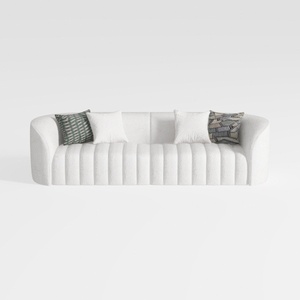
Minimalist Boucle Fabric Channel Tufted Sofa 3D Model
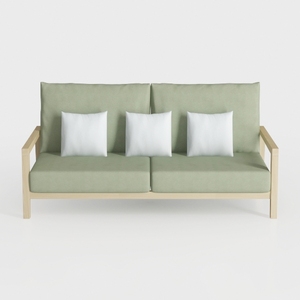

Minimalist Solid Wood Light Green Fabric Loveseat Sofa 3D Model

Modern Two Tone Fabric Leather U Shaped Sectional Sofa with Side Table 3D Model
Looking to transform your space? Homestyler is your go-to platform! With its user-friendly online design tool, stunning 3D renderings, and a treasure trove of design projects and video tutorials, you can effortlessly bring your home design dreams to life. Start creating today!
Zaprojektuj teraz za darmo
































