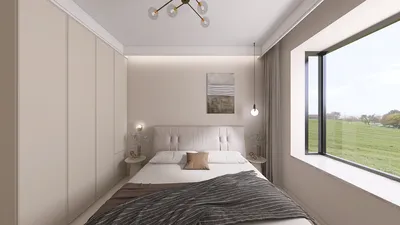


I once had a client who was convinced that their petite living room required a shag rug to provide a sense of luxury – until guests repeatedly stumbled on the edge instead. This experience taught me that considerations such as size, texture, and arrangement are just as vital as appearance. I now emphasize the importance of helping individuals visualize their layout before making any purchases. In small spaces, clever design choices are essential; the right carpet can enhance, anchor, or soothe a room in ways that furniture alone cannot achieve. Additionally, tools like Homestyler can aid in this visualization process.
Designing for small spaces truly ignites imaginative solutions, and I'm excited to share five carpet ideas that I frequently incorporate. These insights stem from actual projects—celebrating successes, reflecting on lessons learned, and recounting amusing missteps that I still share with my students.
1. Light, low-pile neutrals to promote openness
When I'm looking to make a small lounge feel more spacious, I often opt for a light, low-pile rug. This choice is beneficial as lighter shades reflect light, and a low pile ensures clean sightlines, making the area seem larger. However, the downside is that very light rugs tend to show stains more quickly. Therefore, selecting stain-resistant materials or patterns that can effectively mask wear is essential.
save pin
2. Going slightly undersized to reveal some flooring—this helps!
Surprisingly, leaving some visible floor around the rug helps avoid a cluttered appearance in the space. I typically suggest allowing for an 8 to 12-inch border of flooring in particularly small areas, as this creates a deliberate frame, enhancing the purposeful feel of the layout. While you may sacrifice a touch of coverage, it increases the visual spaciousness and simplifies cleaning around the edges.
save pin
3. Narrow stripes or elongated patterns help elongate the room
If a room appears too square, a rug adorned with long linear patterns can gently extend the visual lines. I often sketch this concept for clients and recommend they create a quick floor plan to visualize how the pattern interacts with their furniture. It's essential to note that scale is crucial; oversized patterns can dominate the space, while tiny prints may get lost. Hence, choosing a design that is proportionate to the floor area is vital.
save pin
4. Round rugs introduce soft zoning and versatile layouts
Utilizing round rugs is a fantastic strategy for navigating awkward layouts or softening a more angular room structure. They create inviting conversation areas and fit nicely beneath smaller coffee tables. One must be intentional about placement to ensure that seating arrangements appear balanced. A useful tip is to pair a circular rug with linear sofas for both contrast and equilibrium.
save pin
5. Opt for durable, washable rugs + utilize 3D preview to make informed choices
In homes with families, I prefer materials that are easy to maintain—such as indoor/outdoor weaves, polypropylene, or washable flatweaves—as style should withstand spills. For clients who struggle to imagine textures, I offer a 3D mockup showcasing different rug options within their space, often helping to finalize their selections. From a budget perspective, there are excellent options available at various price points, but always remember: selecting the right size and placement is more important than choosing an expensive rug that does not fit the scale appropriately.
save pin
FAQ
Q1: What rug size is optimal for a small living room?
I usually advise leaving a margin of 8 to 12 inches of flooring around the rug in very compact rooms or selecting a rug that comfortably fits under the front legs of major seating pieces. This framing technique can help prevent a cramped atmosphere.
Q2: Should I opt for light or dark shades in a small lounge?
Light hues visually enhance a space, while patterned or medium tones do a better job of concealing wear. If you prefer darker shades, balance them with lighter walls or layered textiles to avoid making the area feel overly heavy.
Q3: Are high-pile rugs unsuitable for small rooms?
Not necessarily, but high-pile rugs can obstruct sightlines and contribute to a congested feel in compact areas. I generally favor low to medium pile options to maintain a cleaner, more open appearance in small living environments.
Q4: What is the best way to clean a rug in a small living area?
Consistent vacuuming and prompt spot treatment are crucial; for thorough cleaning, adhere to the manufacturer's guidelines. For general guidance on indoor air quality and cleaning practices, refer to resources from the U.S. EPA (https://www.epa.gov/indoor-air-quality-iaq).
Q5: Can rugs help define zones in an open-plan small space?
Certainly—rugs can effectively delineate seating, dining, or entry areas without the need for partitions. Using different but complementary colors or textures can help maintain flow and visual cohesion.
Q6: What materials should I consider for a pet-friendly area?
Seek out low-pile, stain-resistant synthetic fibers or tightly woven natural materials like indoor/outdoor blends, as they resist pet claws and are easier to clean. It’s best to avoid long shag piles that tend to trap hair and odors.
Q7: Is layering rugs an effective strategy for a small living room?
Layering can enhance depth and visual interest, especially when combining a larger neutral base rug with a smaller patterned piece on top. Just ensure that the layers are proportionate; too many layers or mismatched scales can overwhelm a compact room.
Q8: How do I select a pattern without making the space appear smaller?
Select patterns with scales that correspond with the floor area; subtle small-scale designs or directional stripes typically work best. If you're unsure, consider creating digital mockups or sampling small swatches before making a final decision.
save pin
Looking to transform your home? Homestyler is your go-to online design platform! With its user-friendly design tool, stunning 3D renderings, and a wealth of DIY video tutorials and design projects, you can effortlessly create and visualize your dream space. Start your design journey today!
Design Now for FREE
































