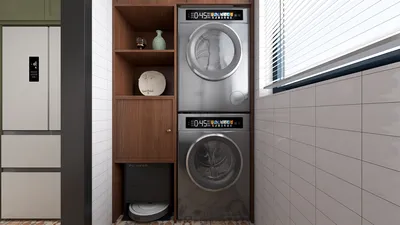


Immediate Career Paths
Obtaining an interior design diploma opens doors to numerous entry-level positions such as interior designer assistant, CAD technician, space planner, showroom coordinator, or freelance residential designer. Most diploma holders begin their careers in junior roles within design firms or architectural offices, gradually honing their expertise in residential, commercial, or visualization domains.
With a strong portfolio and proficiency in software like Homestyler, diploma graduates can establish successful careers whether employed or freelancing in the interior design industry.
Key Highlights
Overview
Students often ask about viable career opportunities following the completion of an interior design diploma. Over the past ten years, I've guided numerous junior designers, many of whom embarked on their journey through diploma courses rather than comprehensive degree programs.
The industry values hands-on skills more than formal academic degrees. Professionals who can efficiently craft functional space plans, articulate design concepts, and utilize visualization tools such as Homestyler are highly sought after by studios.
Many diploma students underestimate the variety of roles available beyond the traditional 'interior designer'. These include positions like visualization expert, layout planner, furniture consultant, styling assistant, and digital design specialist.
Engaging in real-world workflows—such as generating AI-supported interior design concepts for client presentations—allows students to transition into jobs more rapidly by gaining familiarity with professional processes.
This guide explores practical job roles, sectors employing diploma holders, salary expectations, and strategic advice on career advancement after securing your first design role.
save pin
Career Opportunities Post-Interior Design Diploma
Important Insight: Most diploma graduates enter the market through specialized junior roles instead of immediately becoming independent designers.
Interior design is inherently collaborative, involving architects, contractors, lighting experts, furniture providers, and visualization professionals. This interconnected environment results in studios hiring diploma holders for focused stages within the design workflow.
Typical job positions are:
According to the U.S. Bureau of Labor Statistics, interior design continues to grow alongside residential renovations and commercial space redesigns. Smaller studios particularly depend on diploma holders for practical drafting and layout tasks.
In many firms I've observed, the most valuable junior members weren’t necessarily degree holders but those who quickly delivered practical floor plans and compelling visual presentations.
Entry-Level Roles in Interior Design Companies
Insight: Junior roles usually emphasize technical execution rather than conceptual development.
New graduates often envision designing spaces in their entirety from the start, but most beginning work consists of assisting senior designers.
Common responsibilities include:
Mastering layout planning significantly enhances job prospects; firms constantly require designers knowledgeable in circulation, zoning, and furniture dimensions.
Students practicing projects such as detailed residential layouts via professional 3D floor planning tools like Homestyler adapt faster within studios.
Based on mentoring experiences with junior designers, those proficient in drafting and 3D modeling within their first year progress to full designer roles more swiftly.
save pin
Freelance Interior Design Careers for Diploma Graduates
Key Takeaway: Freelancing commonly starts with small-scale residential tasks like room makeovers, furniture arrangement, or rental property styling.
Many diploma graduates begin freelancing within two years of graduation, especially in residential design sectors.
Typical freelance assignments include:
Freelancing early boosts portfolio development; each finished project serves as a portfolio piece attracting larger clients.
However, a challenge often overlooked is project coordination, as freelancers must communicate effectively with contractors, suppliers, and clients—skills often underrepresented in diploma curricula.
save pin
Industries Employing Interior Design Diploma Holders
Important Note: Interior design careers span far beyond conventional design studios.
Numerous sectors utilize interior design expertise to enhance user experience and increase property value.
Typical employment sectors include:
Real estate developers and marketing teams are increasingly recruiting visualization specialists capable of producing realistic interior imagery rapidly for sales collateral.
Students mastering workflows such as photorealistic interior renderings with tools like Homestyler often secure roles in real estate and property development companies.
Expected Earnings for Interior Design Diploma Graduates
Insight: Salary levels vary widely depending on software proficiency, portfolio strength, and geographic location.
While entry-level salaries differ regionally, industry-wide trends remain consistent.
Typical salary progression is:
A frequently overlooked factor is software specialization; designers skilled in rendering, 3D modeling, and visualization generally earn more initially since they support project production directly.
Advancing Your Career After Your Initial Position
Key Advice: Growth in interior design careers is influenced more by accumulated project experience and portfolio quality than academic credentials.
Once employed, prioritizing a robust portfolio showcasing tangible project results is crucial.
Concentrate on developing skills in:
Designers who systematically document their work—with before and after photos, layouts, and 3D visuals created using platforms like Homestyler—typically progress to senior roles more rapidly.
Answer Section
An interior design diploma provides pathways into roles such as junior designer, CAD expert, visualization artist, showroom coordinator, or freelance residential consultant. Competency in software like Homestyler combined with a strong portfolio enhances job prospects and salary potential.
Conclusion
Frequently Asked Questions
Can I become an interior designer with only a diploma?
Absolutely. Many successful designers start with diplomas. Employers focus more on the quality of your portfolio, your software capabilities, and your practical project experience than on formal degrees.
What are the best job options after completing an interior design diploma?
Popular roles include junior interior designer, CAD technician, design assistant, showroom consultant, and visualization specialist.
Is freelancing feasible after earning an interior design diploma?
Yes, many graduates begin freelancing with projects like room redesigns, furniture planning, and residential styling.
Which software should interior design diploma students learn?
Recommended tools include 3D modeling applications, rendering engines, CAD drafting programs, and interior visualization software such as Homestyler.
What starting salary can I expect after completing an interior design diploma?
Entry-level interior design roles typically offer annual salaries ranging from $35,000 to $55,000, varying by experience and location.
Do architecture companies hire graduates with interior design diplomas?
Yes. Architecture firms commonly employ diploma holders for drafting, layout planning, and visualization projects.
How can I boost my income post-diploma?
Enhance your visualization expertise, gather real project experience, and build an impressive portfolio using tools like Homestyler.
Which industries most actively recruit interior design diploma graduates?
Interior design studios, real estate developers, furniture manufacturers, and hospitality brands are among the top employers.
Sources
U.S. Bureau of Labor Statistics – Occupational Outlook for Interior Designers
American Society of Interior Designers – Industry Analysis Reports
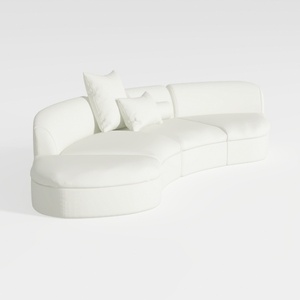
Minimalist White Fabric Curved Sectional Sofa 3D Model
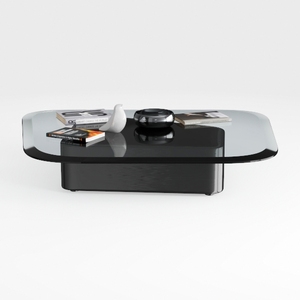
Modern Black Glass Top Solid Wood Base Coffee Table 3D Model
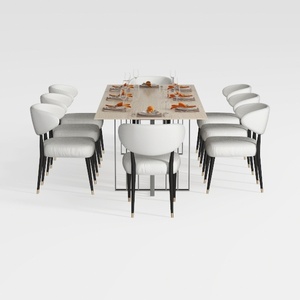
GarveeHome Natural Rattan Dining Chairs Set of 2
Homestyler offers an easy-to-use online design tool with stunning 3D renderings, inspiring interior projects, and helpful DIY video tutorials—making it simple to create and visualize your perfect home design.
Design Now for FREE
































