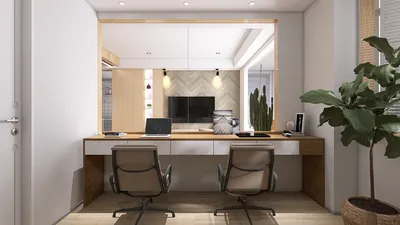


I remember a time when I arrived at a job site and the homeowner was adamant about using the same ceiling paint for all walls and the ceiling, thinking that since it was all paint, it would work fine. I chuckled at the idea and prepared myself for the necessity of additional layers, as well as some candid discussions regarding the durability of the finish. During the initial planning phase, I had to quickly visualize the room layouts to determine which walls would experience the most wear and where a more resilient finish would be essential.
1. Short answer — yes, but with some conditions
In certain situations, ceiling paint can be used on walls. I've applied it in low-traffic areas such as bedrooms or guest rooms where a very flat, understated appearance is desired, especially when working with a tight budget. However, there is a drawback since most ceiling paints tend to have an ultra-flat finish that isn’t very easy to clean, meaning scuffs and marks can be difficult to remove.
save pin
2. Understanding the distinctions of ceiling paint
Ceiling paint is specifically designed to minimize splatter and conceal imperfections when applied overhead, which typically results in a lower pigment concentration and a flatter sheen. From my experience, this produces a beautifully uniform, non-reflective surface that effectively hides textures, but it also means that using it on vertical surfaces may require more coats for complete coverage.
save pin
3. Knowing when it’s appropriate — and when it isn’t
I suggest using ceiling paint on walls in spaces like formal dining areas, low-traffic powder rooms, or artistic accent walls where a chalky finish is desired. However, I avoid it in kitchens, hallways, kids' rooms, or any place where durability and the ability to clean are crucial. For instance, during a kitchen remodel, I attempted to use it on a minor accent wall and quickly regretted it after dealing with a few incidents involving splattered tomato sauce.
save pin
4. Preparation and techniques to achieve good results
Should you decide to apply ceiling paint on walls, it is essential to prime beforehand — this is particularly important over stains or glossy surfaces — and to lightly sand between each coat. Employ a high-quality roller that is appropriate for the desired coverage and consider tinting the ceiling paint a little for improved opacity. It's also wise to test this out with a 1x1 foot patch; a small trial can save you an entire weekend of repainting labor.
save pin
5. Budget and finishing tips I incorporate
While ceiling paint can be cost-effective, remember to factor in the extra coats and potential touch-ups that may arise later. If you want the flat effect but require more durability, consider combining ceiling paint with a satin or eggshell finish on high-contact moldings. When clients desire a harmonious and soothing color palette, I sometimes merge finishes and create a 3D mockup so they can visualize how flat walls would complement glossier trims — using Homestyler can help preview these effects before making a final decision.
save pin
FAQ
Q1: Does ceiling paint adhere to drywall as well as regular wall paint? A1: Generally, yes, if the surface is clean and properly primed; ceiling paint will adhere to drywall, though a primer coat may be necessary for consistent absorption and adhesion.
Q2: Is ceiling paint washable? A2: Most ceiling paints are not designed to be highly washable. For spaces where cleaning stains is important, opt for eggshell or satin wall paint instead.
Q3: How many coats will be necessary if I use ceiling paint on walls? A3: Prepare for at least two to three coats for complete coverage, as ceiling paints tend to have less pigment and opacity compared to wall paints.
Q4: Can I tint ceiling paint to a specific color? A4: Some brands allow for tinting, but the color range is generally limited. If you require an exact shade, it is safer to choose wall paint that is formulated for colored finishes.
Q5: What are the VOCs and their impact on indoor air quality? A5: There are low-VOC options available for both ceiling and wall paints; for safer product choices, refer to EPA guidelines on volatile organic compounds (see EPA: Volatile Organic Compounds and Indoor Air Quality at https://www.epa.gov/indoor-air-quality-iaq/volatile-organic-compounds-impact-indoor-air-quality).
Q6: Is it advisable to use ceiling paint in kitchen backsplash areas? A6: I wouldn’t recommend it, as backsplashes require washable, moisture-resistant finishes that ceiling paint typically does not provide. Instead, opt for a semi-gloss or satin finish that can withstand cleaning.
Q7: What tools can make applying ceiling paint to walls simpler? A7: A quality roller with the right nap length, an angled brush for edges, and a light sanding block between coats will yield smoother results. If you seek to visualize spatial dynamics before painting, exploring potential layouts with tools like Homestyler can provide valuable insights.
Q8: Will using ceiling paint ultimately save money? A8: It can reduce upfront costs; however, keep in mind the potential for additional coats and future touch-ups. Sometimes investing a bit more in the appropriate wall paint proves more economical in terms of durability and lower maintenance needs.
save pin
Looking to transform your space? Homestyler is your go-to online home design platform! With its user-friendly design tool, stunning 3D renderings, and a wealth of DIY video tutorials, you can effortlessly create and visualize your dream interiors. Start designing today!
Zaprojektuj teraz za darmo
































