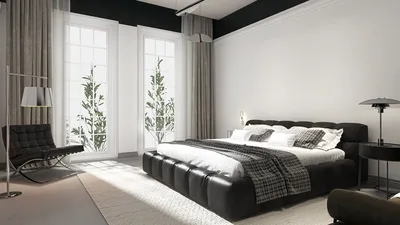


In today’s connected homes, the integration of a versatile TV app transforms how we interact with our living spaces. As streaming services become central to entertainment routines, designing a cozy media nook with ergonomic seating and adjustable lighting enhances both comfort and viewing experience. Thoughtful spatial planning ensures that technology blends seamlessly with home aesthetics, creating an inviting area tailored for relaxation and digital enjoyment.
Direct Answer
Yes, artificial intelligence has the capability to generate a 3D model from a single photo. Contemporary AI reconstruction technologies analyze depth, illumination, and geometric data from one image to estimate a three-dimensional form and produce a practical 3D asset. Outcomes largely depend on image quality, object intricacy, and the availability of varying angles.
Quick Takeaways
Introduction
Over recent years, AI solutions have advanced from creating basic images to producing highly usable 3D models. In multiple interior design projects, my team experimented with AI platforms, including Homestyler, which can transform furniture or decor pictures into 3D visualizations. While not flawless, these models accelerated layout visualization prior to engaging in costly manual modeling.
Clients commonly inquire if a solitary photo can become a functional digital object. The concise reply is affirmative—yet there are vital limitations. Comprehending how AI interprets structure, where challenges arise, and how it can optimize workflow profoundly impacts whether this technology is beneficial or inefficient.
This article clarifies the process behind AI-driven 3D reconstruction from images, the scenarios where it excels, and typical misconceptions surrounding this method.
How Does AI Create a 3D Model From a Picture?
Key Insight: AI transforms flat 2D images into three-dimensional forms by approximating depth, surface characteristics, and overall geometry via deep learning networks.
Traditional 3D modeling involved meticulous manual crafting using software such as Blender or Maya. Conversely, AI employs predictive techniques derived from analyzing millions of images to infer spatial structure.
This methodology usually unfolds across three main stages:
Currently, many state-of-the-art tools, including Homestyler, implement approaches like neural radiance fields (NeRF), photogrammetry-style reconstruction, or diffusion-generated 3D assets. The primary difference lies in the speed, shortening hours-long modeling tasks into mere minutes.
For visualization, such models suffice to position and scale objects within virtual environments effectively.
Can a Single Image Really Produce an Accurate 3D Model?
Key Insight: While a single photo can yield a 3D model, precision is constrained because the captured image reveals only one side of an object.
A widespread misunderstanding is that AI can fully "see" hidden areas from one photo. Instead, it predicts probable geometry for unseen parts based on learned patterns.
In cases involving symmetrical or common shapes, the predictions offer reasonable accuracy. However, unconventional or complex forms may produce distorted outputs.
Objects that typically perform well include:
Conversely, items that often result in flawed reconstructions are:
Professional workflows improve accuracy by integrating multiple photographs from different perspectives.
What AI Tools Can Generate 3D Models From Photos?
Key Insight: Various advanced platforms exist for converting images into 3D assets, each catering to different applications like gaming, product design, or interior visualization.
From testing various solutions in creative processes, the category of the tool often matters more than the brand itself.
Current popular tools incorporated into creative workflows include:
Most designers treat AI-generated models as initial drafts rather than final polished assets.
Why Do Some AI Generated 3D Models Look Distorted?
Key Insight: Distortions commonly originate from inadequate input images rather than the AI’s computational methods.
Having used AI-generated models in space design simulations, I observed persistent errors tied to poor photo data quality rather than flaws in algorithms.
Frequent mistakes compromising reconstruction quality include:
A straightforward way to enhance results is adopting disciplined photography practices:
When furniture and objects are photographed carefully with consistent lighting and clear angles, AI-driven reconstructions, such as those by Homestyler, improve significantly.
Is AI 3D Generation Actually Useful for Real Projects?
Key Insight: AI-produced 3D models offer the most utility in conceptual development and visualization stages, but fall short for manufacturing precision.
This distinction holds importance. In design environments, rapid iteration often weighs more than perfect accuracy during initial planning phases.
Advantages of AI 3D modeling include:
Situations still requiring traditional modeling entail:
Within my workflow, AI models primarily act as placeholders, helping clients visualize scale and spatial arrangement before committing to detailed manual modeling.
Answer Box
AI can generate 3D models from pictures by estimating depth and reconstructing form utilizing machine learning. Accuracy grows considerably when using multiple images, high-quality lighting, and simple shapes.
Final Summary
FAQ
1. Can AI really create a 3D model from one photo?
Certainly. AI can approximate depth and geometry from a single image, though results might be partial or approximate.
2. What is the best AI tool to create a 3D model from a picture?
Among popular platforms are Luma AI, Meshy, Polycam, and Kaedim, each specializing in unique workflows; Homestyler also provides robust interior design visualization capabilities.
3. How accurate are AI generated 3D models?
Model fidelity depends heavily on photo clarity and object complexity. Utilizing several photos greatly enhances result reliability.
4. Can AI create 3D models for games?
Yes, many developers use AI tools to swiftly generate initial game assets before refining models with professional software.
5. Do you need multiple photos to build a 3D model?
Not necessarily, but capturing different angles significantly improves geometry accuracy and reduces distortions.
6. Can AI convert drawings into 3D models?
Experimental tools exist that can translate sketches or concept art into rough 3D forms.
7. Is AI 3D modeling free?
Some platforms offer limited free tiers, though high-quality exports usually require paid subscriptions.
8. What industries use AI to create 3D models from pictures?
Sectors such as gaming, interior design, e-commerce, augmented/virtual reality development, and product visualization frequently utilize this technology.
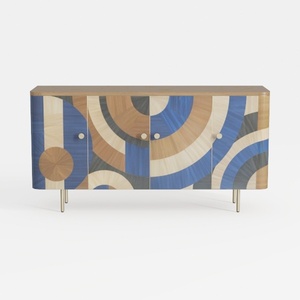
Art Deco Geometric Pattern Solid Wood Sideboard with Metal Legs 3D Model


Minimalist Oak Linen 3 Seat Sofa 3D Model
Homestyler offers an easy-to-use online design tool with stunning 3D renderings, inspiring interior projects, and helpful DIY video tutorials. It’s perfect for anyone looking to visualize and create beautiful home designs effortlessly.
تصميم الآن مجانا
































